The X-Men have changed a lot in the 21st century. The ’80s and ’90s made them into the biggest team in the comic industry, and they went through some of the biggest events in the history of the team. In a lot of ways, they had done it all, and it showed in the sales charts; while the X-Men books were still some of the bestselling books in the industry, they had fallen far from where they had been saleswise. Marvel, wanting back the blockbuster numbers of previous years, decided to inject some energy back into the books in the new millennium. So, in the year 2000, the House of Ideas tried to go back to the familiar.
Videos by ComicBook.com
Chris Claremont was brought back to the X-Men, with the hope that the legend would propel the books back into the sales stratosphere. However, this wasn’t the case. The 2000 Claremont run has few fans (I’m one of them), and Marvel went in a new direction in 2001 when they brought Grant Morrison, who had just come to Marvel after years at DC, to the team. New X-Men was born, and it became an instant masterpiece, all because of the amazing three-issue story that kicked off the run: “E Is for Extinction.”
“E Is for Extinction” Blew Everyone’s Minds
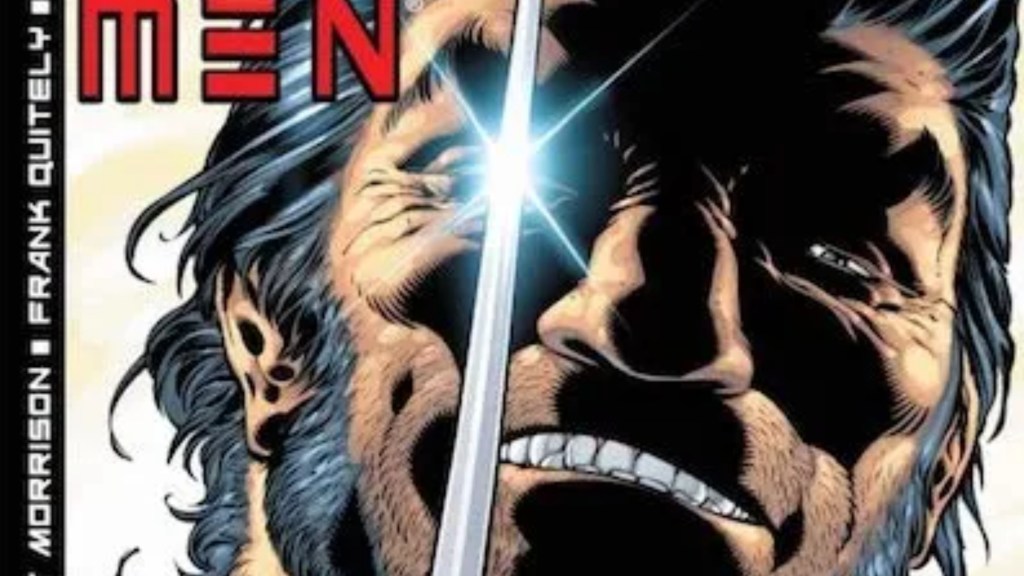
“E Is for Extinction” was a massive shocker of a story. In fact, it deserves its place among the most shocking X-Men stories of all time. Morrison was joined by their frequent collaborator Frank Quitely, and the two of them brought a certain energy to the story. Morrison completely shifted their mission in the first issue, with the team moving away from basic superheroism and embracing their place in the mutant community as teachers and rescue workers. The colorful spandex was gone, replaced by cool black and yellow leathers. It was a big change to the team, but it was only the beginning.
The story introduced Cassandra Nova, a new arch-villain for the team that had a history with Xavier, changed the dynamic in Cyclops and Jean Grey’s relationship, introduced Emma Frost to the team, which would pay dividends, and destroyed the newly minted mutant nation Genosha. It was a story that found ways to continually to shock the audience, building the book’s story more and more, until it reached a violent crescendo. The story’s epilogue in New X-Men #117 pushed the plot to the next level, setting up the next year or so of X-Men stories perfectly.
“E Is for Extinction” does everything right, which isn’t surprising from a comic written by Grant Morrison. The scribe walked into the X-Men, and it felt like they had been there the whole time. They were able to sink into the team immediately, using the long-running relationship between the characters to naturally tell their story. Cassandra Nova was basically a new Magneto, and these seeds were planted in her debut. The “mutant population boom” and “human extinction gene” ideas finally pushed mutants to a new place in their relationship with humanity and boded well for the future of the book.
In three issues, Morrison and Quitely were able to completely change the X-Men without completely changing the team, if that makes sense. The story felt like an evolution of the concept, using old ideas and characters in familiar ways that had wildly different outcomes than what we usually got. The X-Men in the ’00s have some brilliant blockbusters, but “E Is for Extinction” is on another level. Seriously, go back and read the three-issue story (and the epilogue) and you’ll marvel at the way the book still feels new almost three decades later.
What do you think about “E Is for Extinction”? Leave a comment in the comment section below and join the conversation on the ComicBook Forums!
Most Viewed
-

Courtesy of Eight-Bit -

Courtesy of Kadokawa / Shosetsuka ni Naro -

Courtesy of Crunchyroll -

Image courtesy of 20th Century Studios