If you read comics in the ’90s, you know how massive the X-Men were. The team had come out of the ’80s as the biggest group in the comic history and 1991 would see X-Force #1 and X-Men (Vol. 2) #1 sell millions of copies, reaching a whole other level of cultural ubiquity (Rob Liefeld was in a Levi Jeans commercial, on national TV drawing X-Force. Rob. Liefeld.). By 1992, the stars that made the X-Men the biggest comic around – Chris Claremont, Jim Lee, Marc Silvestri, Whilce Potracio, and Rob Liefeld – were gone but the books soldiered on. The ’90s were the decade of the X-Men; while their books weren’t always the best, they were still bestsellers and the talk of the industry, even as sales overall were falling.
Videos by ComicBook.com
The latter half of the decade after the blockbuster “Age of Apocalypse” was chaotic, with longtime scribe Scott Lobdell pushing Mark Waid out then leaving the books for Fantastic Four (Vol. 3), Joe Kelly and Steve Seagle being brought on and quickly canned, with writer/artist Alan Davis coming onboard in 1998. Davis, though, had a mandate – end the decade of extreme for Marvel’s merry mutants, paying off as many storylines as he could in the outing. This would lead to one of the most maligned X-Men stories ever: “The Twelve”. Fans have been complaining about this story for decades, as well as the entire Davis run, but I’m going to say something controversial: it’s actually a well-built, entertaining story and deserves way more respect.
“The Twelve” Was Meticulously Built and Is Much Cooler Than the Haters Think
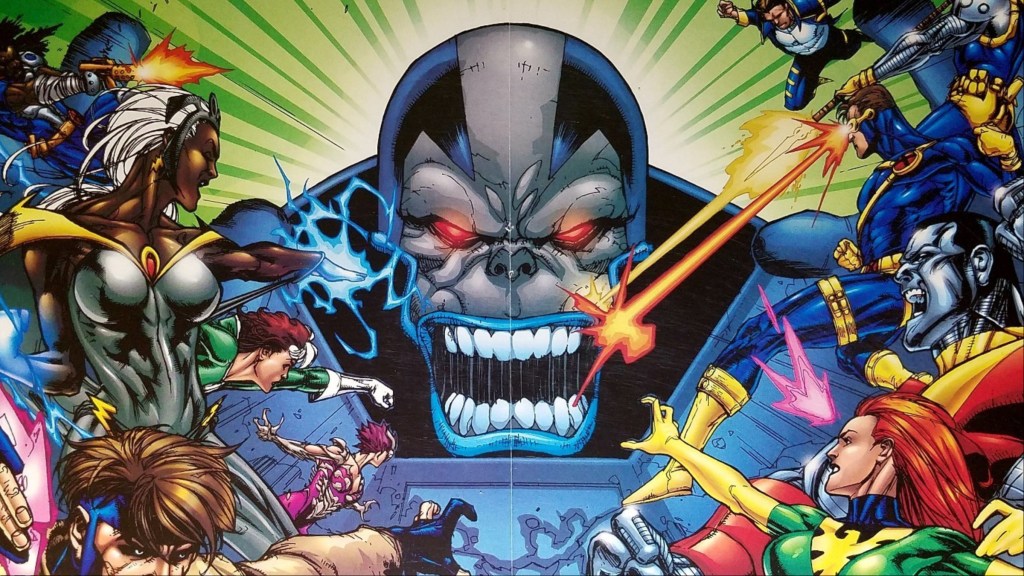
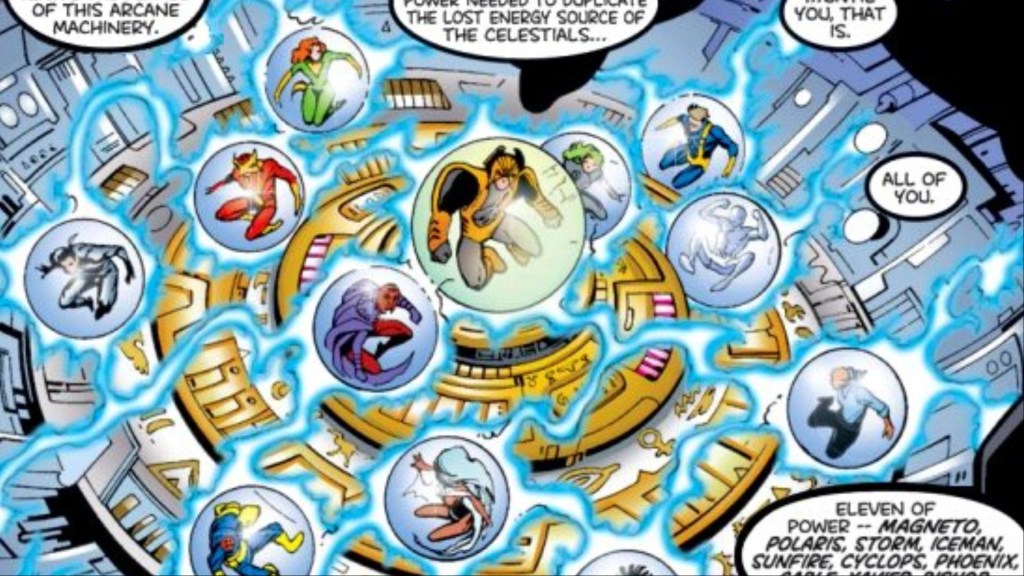
In a lot of ways, if you haven’t read everything ’90s X-Men, “The Twelve” is not going to work for you. The story itself saw Apocalypse decide to bring together the Twelve, a group of mutants who had been hinted at years before, on order to become god and take over the world. The X-Men, Cable, and X-Man stood in his way; readers learned that this battle was the one that would create the future that Cable was from. The main story ran through Uncanny X-Men #376-377, Cable #75-76, X-Man #59-60, Wolverine (Vol. 2) #145-147, and X-Men (Vol. 2) #96-97.
However, before this, you needed to read Astonishing X-Men (Vol. 2) #1-3, Davis’s run on Uncanny #366-375 and X-Men #85-95, and Cable #47-74. That’s just the direct groundwork for the story. That’s a lot of reading just to understand one story and it makes reading “The Twelve” in the modern day rather disappointing. Davis built an edifice that paid off ideas like the Twelve, Cable’s future and actual mission coming back in time, the truth about the Externals (immortal mutants that barely get talked about anymore), connected the Skrulls with Apocalypse, and even gave Wolverine his adamantium back. It is a lot, but it works.
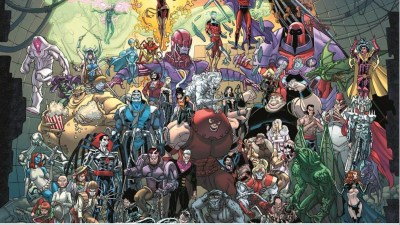
The story itself is pretty standard big event comic, as the heroes assemble against the big bad, realize just how hopeless the stakes are, and ends with a big battle that, because this is a ’90s X-Men comics, leads into the story “Ages of Apocalypse”, as En Sabah Nur tries to destroy time itself with the power of the Twelve. There are some twists and turns – Xavier’s team of Skrull mutants is a cool idea that would never get brought up again sadly – that will keep readers invested. It’s not a Hickman event, but it’s fun. The fact that it was paying off stories that had been sitting there for years was honestly pretty cool back at the end of 1999.
All these years later, it’s plain to see the point of the story. The ’90s were one of the most convoluted decades in X-Men history and that’s saying something. Creators were throwing things at the wall to see what stuck and readers got ideas like the Twelve, the Externals, the X-Traitor, the mystery of Joseph (which Davis paid off in the first story of his run), and loads more, anything to replicate the successes of 1991 X-Men reboot. “The Twelve” was a way to close out this messy decade and prepare for the new millennium… which would see Marvel get Claremont to come back for a run that most fans (except this one) can’t stand. Because, again, these were X-Men comics still being run by the same editors as the ’90s.
“The Twelve” Was the Last Gasp of the ’90s X-Men, With All That Entails
The X-Men comics in the ’90s were a lot of fun if you were there watching it all happen. There were so many ups and downs, so many wild ideas and stories happening, new characters of all kinds appearing, and stories that “changed” everything. It was like always mostly eating junk food and sometimes having a gourmet meal. “The Twelve” is not a gourmet meal but it’s not garbage either. It’s an artifact of ’90s Marvel, a different time in comics and the X-Men.
The fact that there was a story that was supposed to close out plots that had been around for ages is honestly a bigger deal than modern fans can realize. Nowadays, comics are as safe as possible, always promising something big and then just taking the past, putting a new coat of paint on it, and pushing it out there. Runs are designed to tie up all the loose ends. This wasn’t the case in the ’90s and that’s why “The Twelve” is way more important than the people who hate it realize – it helped set the stage for the way modern comic runs would operate.
What do you think of “The Twelve”? Leave a comment in the comment section below and join the conversation on the ComicBook Forums!
More Comics
-
Image Courtesy of Marvel Comics -

Image Courtesy of DC Comics -
Image Courtesy of DC Comics -
Image Courtesy of Marvel Comics -
Image Courtesy of Marvel -
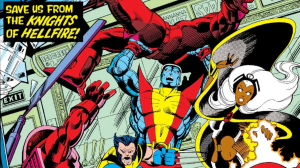
Image Courtesy of Marvel Comics -
Image Courtesy of DC Comics