The X-Men had a rough start of things in the ’60s, but the late ’70s and early ’80s would see them become superstars. The creative height of the team was the ’80s, with writers Chris Claremont and Louise Simonson giving readers some of the best X-books you can imagine. However, when it comes to sales, the ’90s were the decade of the X-Men. This era saw millions of issues sold, as they wrested the top of the sales charts from the old guard. By the mid ’90s, there were at least nine ongoing X-series, with numerous miniseries coming out every year. It was an X-Men world and everyone else was just living it.
Videos by ComicBook.com
However, while the books were undeniably popular, you’re not going to find much praise for the decade outside of nostalgia. I was there and I love those books, but I’ve long since stopped thinking about them as great comics, like I did back then. Looking at these ten years, the House of Ideas made numerous mistakes with the team, any one of which could have destroyed any other superhero franchise. These five X-Men mistakes almost wiped out the team, Marvel making head-scratchingly bad decisions with their most popular characters.
5) The Post-Image Exodus Malaise of Uncanny X-Men and X-Men (Vol. 2)
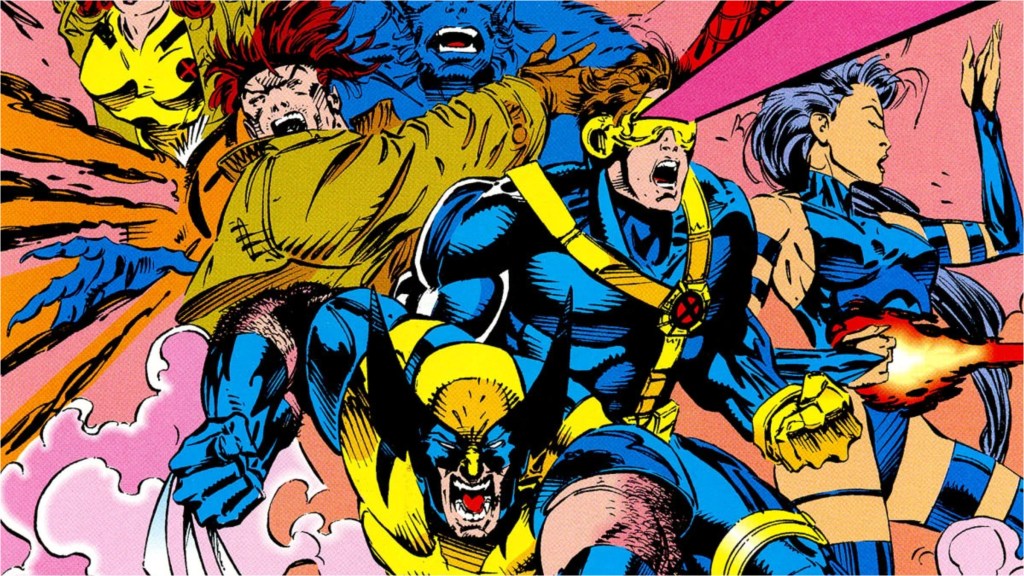
The X-Men has long been the home to the best artists, with the early ’90s boasting fan-favorites Jim Lee, Marc Silvestri, Whilce Potracio, and Rob Liefeld. However, Marvel has never really liked paying creators all that much and those four artists were joined by Todd McFarlane, Erik Larsen, and Jim Valentino in asking for more money and ownership of their art. Marvel said no and they left to form Image Comics. This was a massive blow to the X-Men; Lee, Potracio, and Liefeld were plotting Uncanny X-Men, X-Men (Vol. 2), and X-Force. The books were all built around them, so losing them took the wind out of the books’ sales. Marvel had to scramble, with scripters Scott Lobdell and Fabian Nicieza taking over writing and Andy Kubert and Brandon Peterson put on art (they tried inker Art Thibert, but his Lee clone style didn’t hit very well). Readers were dumped into “X-cutioner’s Song”, a story focused on Stryfe that barely gets talked about anymore. 1992 and 1993 weren’t great years to be an X-fan; Marvel had to scrap all of their plans on the fly and rebuild everything. Things got better during the build-up to “Fatal Attractions”, when it seemed like the creators had time to actually build up plot lines. The Image Exodus was a disaster and how Marvel dealt with it was even worse.
4) The Aftermath to “Operation: Zero Tolerance”
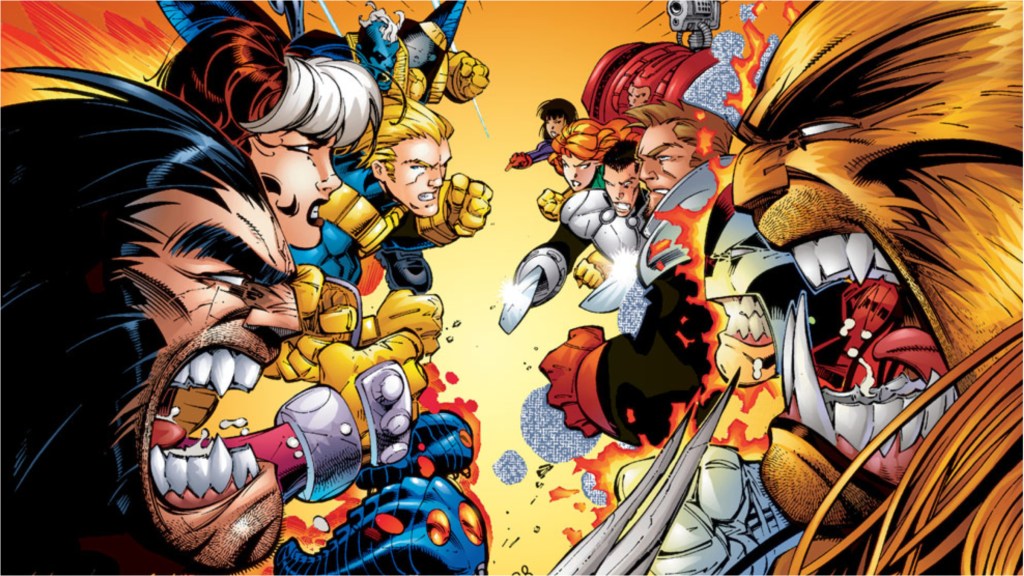
“Operation: Zero Tolerance” was the major X-event of 1997, pitting the team against Bastion and his Prime Sentinels. They were able to take over the X-Mansion and had the mutants on the run until Iceman of all people was able to lead a successful counterattack against Bastion. They took back the mansion, but found something completely unexpected – it was empty. Bastion released a batch of nanites that ate everything in the mansion down to the floorboards. No more Danger Room, no more Shi’Ar tech, no more Blackbird. Xavier’s fortune was frozen because of his actions as Onslaught and he was nowhere to be found. New writers Joe Kelly and Steve Seagle took over X-Men and Uncanny X-Men, but Marvel got cold feet about this new status quo and basically undid it all in the first few issues of Kelly and Seagle’s run. They found an old Blackbird and were able to somehow start rebuilding their tech, despite having no resources. I remember being very excited by this development, and watching in puzzlement as it was all done away with. Fans were not happy and it robbed them of what could have been some great stories just for a return to the status quo.
3) Post-“Onslaught” Uncanny X-Men
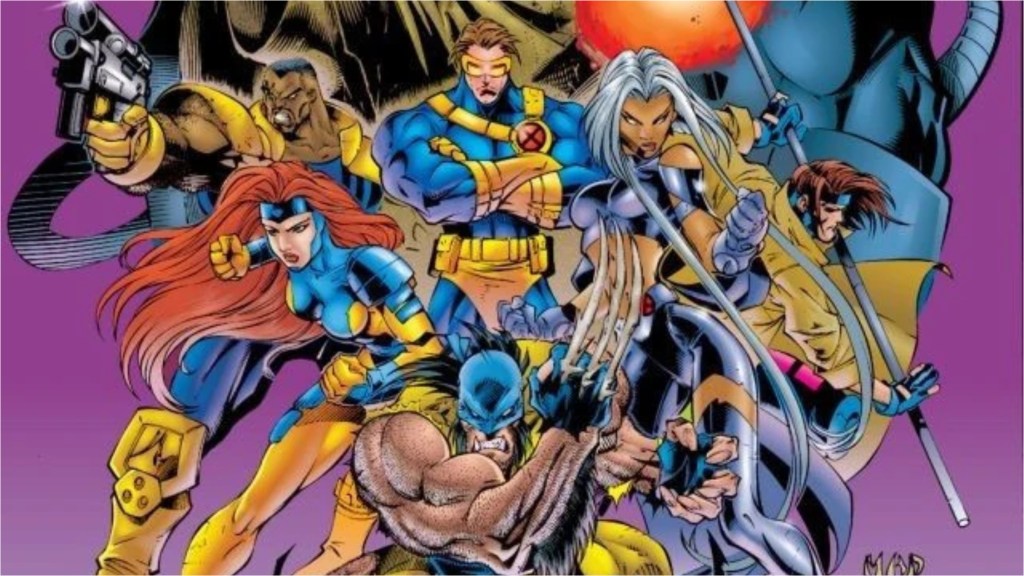
I’m going to level with you here – Marvel editorial was terrible at the aftermath of X-events in the ’90s and the post-“Onlsaught” issues of Uncanny are the perfect example of this. The Avengers and Fantastic Four were gone, humanity hated the X-Men more than ever, Wolverine had gone completely feral, Apocalypse had returned to life, and Xavier was imprisoned. Writer Scott Lobdell could have taken all of this in a million different directions, but instead he just went back to the normal X-Men soap opera. There so much to explore and yet the flagship book was just meandering, building up “Operation: Zero Tolerance” in the background while giving readers mostly blah stories in the foreground. Lobdell was entering the end of his time on the book and it’s plain to see he just kind of coasted until he was done. “Onslaught” could have taken things in an interesting direction, but instead it was just more of the same.
2) Running Off Joe Kelly and Steve Seagle
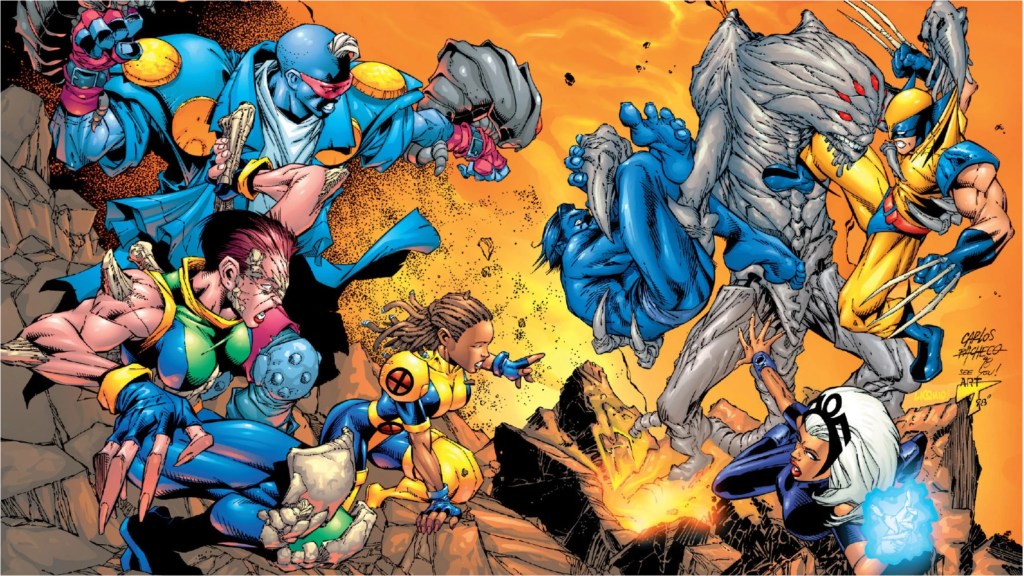
As discussed above, Joe Kelly and Steve Seagle took over the X-books after “Operation: Zero Tolerance”. Both of them had made a splash separately, with Kelly helming Deadpool and Seagle doing Alpha Flight at Marvel and Sandman Mystery Theater at DC, and Marvel seemed to bring them on to take the books in a different direction. They were handed a bold new status quo, but Marvel got cold feet. The two of them had major plans to take the X-Men to new places, but the House of Ideas had just gone through bankruptcy; they didn’t want to take a chance with their cash cow, so they basically just had Kelly and Seagle bring things back to a recognizable status quo quickly, as discussed above. The two writers wanted to use the entire cast of X-Men, but Marvel wanted them to pare it down to eight members – Storm, Wolverine, Rogue, Gambit, Colossus, Nightcrawler, Kitty Pryde, and Marrow. Basically, Marvel went back to nostalgia and Kelly and Seagle were unhappy. The two of them were off the books in under a year, giving readers some fun stories and leaving them with the taste of what might have been.
1) Pushing Chris Claremont Out to Give the Artists the Reins
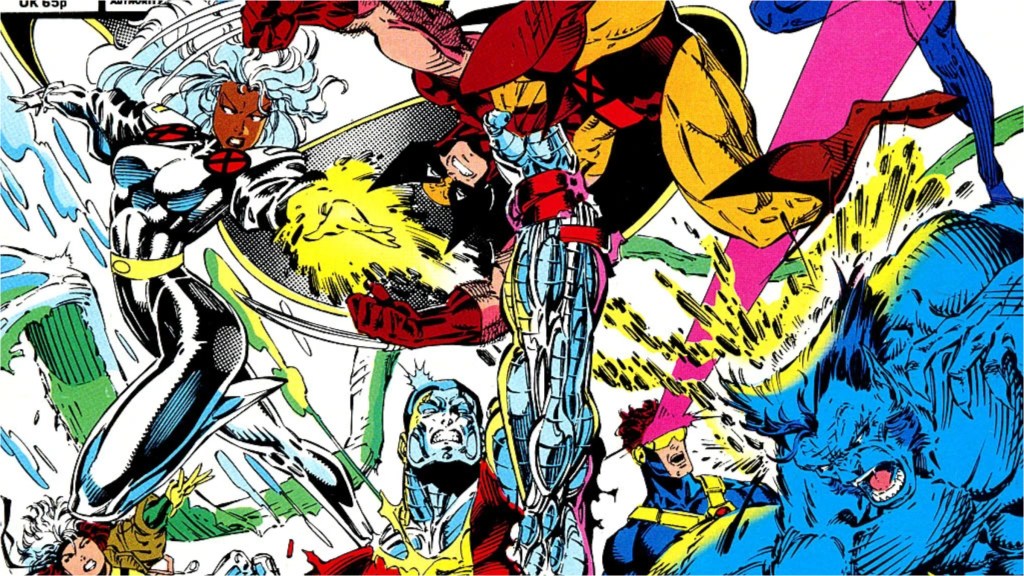
Chris Claremont is the greatest X-writer. If you like the team, it’s because of him. He took them over with X-Men (Vol. 1) #94 and wrote that book from 1975 to 1991. Claremont was blessed with some of the greatest artists in comic history, with the late ’80s seeing pencilers Marc Silvestri, Jim Lee, Whilce Portacio, and Rob Liefeld all make a splash with the men and women of X. Fans loved their work and editor Bob Harras decided that they should have more say in the writing. Claremont had made long term plans lasting up to Uncanny X-Men #300, as well as the opening years of X-Men (Vol. 2). However, all of that didn’t matter; Marvel wanted Lee, Liefeld, and Portacio in charge (Silvestri was working with Larry Hama on Wolverine; the two of them had a better working relationship than the others). Marvel choosing the artists over Claremont was extremely short-sighted and that’s before you even bring up the Image Exodus. The fall in writing quality was obvious; the stories looked good, but they weren’t as great as what Claremont would have done (we know what he would have done, because he’s been talking about it for 35 years).
What do you think about ’90s X-Men? Leave a comment in the comment section below and join the conversation on the ComicBook Forums!
More Comics
-
Image Courtesy of DC Comics -
Image Courtesy of DC Comics -
Image Courtesy of DC Comics -
Image Courtesy of DC Comics -
Image Courtesy of Marvel Comics