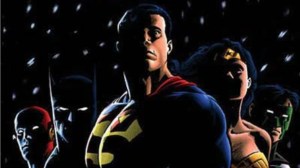
The Justice League is the most important team in the history of comics. They aren’t the first superteam, nor even the second or third, but their 1961 debut was so successful that the brass over at Marvel (then Timely) took notice and decided to create an all-new superhero universe. Without the Justice League, the MCU wouldn’t even exist. The League’s various “Crisis” stories were the genesis of the event comic and their multiversal crossovers changed the way that fans looked at DC Comics. However, it wasn’t always rosy on the sales front, especially in the early to mid ’90s, when Marvel was king and DC’s heroes seemed old-fashioned and boring compared to what the House of Ideas and Image were putting out.
Videos by ComicBook.com
However, the fortunes of the team would change in 1996, when JLA came out and blew every other team book of the day out of the water. The series gave readers the best Justice League stories of the ’90s and some of them are among the team’s best tales of all time. However, most fans only remember JLA, with its superstar creative team of Grant Morrison and Howard Porter, but they don’t remember the story that came before the series. Justice League: Midsummer’s Nightmare, by Mark Waid, Fabian Nicieza, Jeff Johnson, and Darick Robertson, was a return to form for the team after years of swings and misses, returning the team to power by taking away their powers.
Justice League: Midsummer’s Nightmare Took the League Back to Basics

To understand why the Justice League was in the position it was, one has to go back to the 1980s. The Satellite Era of the League ended and we got what has been known as the Detroit League, a team with Aquaman, Martian Manhunter, and Elongated Man with a bunch of new heroes. This run on the team wasn’t popular at all and the League was stuck in a holding pattern until Crisis on Infinite Earths changed the DC Universe for years to come. The reboot would start the DC Universe from the beginning and readers got a whole new Justice League, one that fit the 1980s to a tee – the Justice League International.
The JLI did the same thing the Detroit League did, combining classic Leaguers with new characters and it was a massive hit. This era of the team was basically a slice of life superhero comedy in the mid ’80s and DC learned the wrong lesson from it. Instead of realizing that a great creative team can make any premise work, they thought the JLI’s success meant that people only wanted League teams without the heavy hitters. Instead of putting the characters everyone recognized in the group, they decided to try to squeeze more life out of the JLI by making the team “extreme”, leading to the cancellation of the Justice League, the first time that had happened since they debuted.
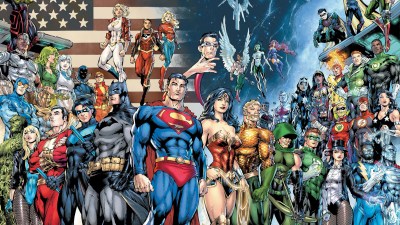
DC weathered the collapse of the collector bubble pretty well, and eventually Mark Waid and Grant Morrison were able to talk editorial into bringing back the classic Big Seven League of Superman, Batman, Wonder Woman, Green Lantern, the Flash, Aquaman, and Martian Manhunter. Justice League: Midsummer’s Nightmare was the mechanism for this, with Waid joined by former X-Men scribe Fabian Nicieza, Jeff Johnson and Darick Robertson on pencils, and JLI artist Kevin Maguire doing the covers.
The story saw the original team brought back together after Doctor Destiny and the Know Men begin to take away their powers and memories. It was honestly exactly the kind of story to bring the team back, as DC had forgotten what the League was over the years and taken away all of their power; a story that saw them rebuilding their legacy in real time. Waid and Nicieza were able to take what amounts to a classic story – this plot could have happened in the Silver or Bronze Age – and bring it into the modern day. It was the perfect primer for a generation of fans who had always associated the old League with “lame” older stories, showing them that the classics never go out of style.
JLA Never Would Have Been a Success Without Justice League: Midsummer’s Nightmare
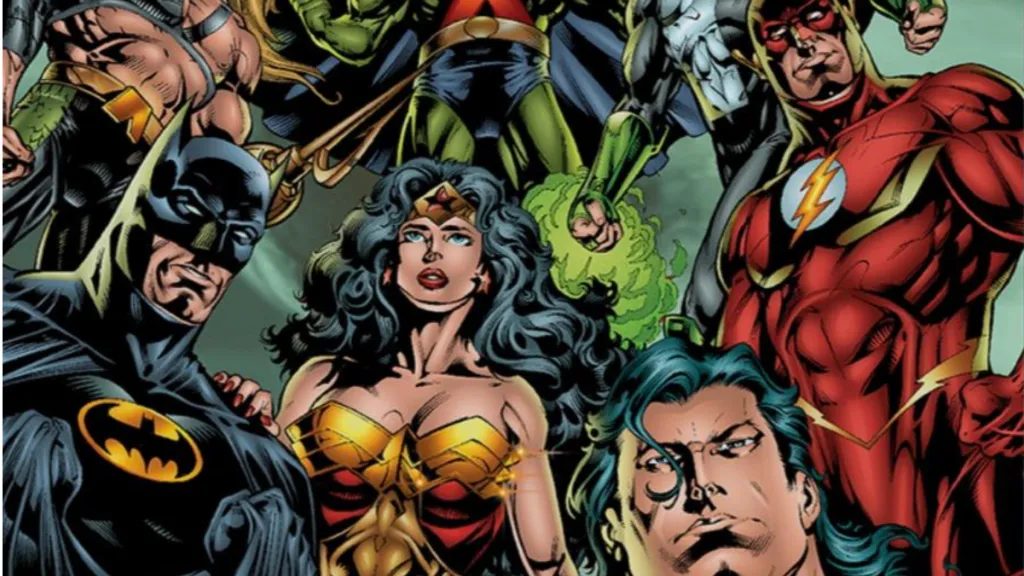
JLA is one of the greatest team books ever but it was very much something of a Hail Mary pass. The collector’s bubble may have burst, but readers in 1996 still wanted more “mature” comics and looked at the old Big Seven League as kid’s stuff from another era. They needed to be convinced that the Justice League could be a cool again and Justice League: Midsummer’s Nightmare was the right book at the right time.
It was a story that took one of the League’s least ’90s old school villains in Doctor Destiny, threw in an all-new sci-fi threat with the Know Men, and went to town. Waid had always done a fantastic job of taking the old school and making it modern and adding in Nicieza was a hook to get X-Men fans to give the book a try. It was completely overshadowed by the first JLA story “New World Order”, but that doesn’t change how important it is to the success of the Justice League in the last 30 years. This story saved the team and made them the favorite of a new generation.
What do you think about Justice League: Midsummer’s Nightmare? Leave a comment in the comment section below and join the conversation on the ComicBook Forums!
More Comics
-
Image Courtesy of Marvel Comics -
Image Courtesy of Marvel Comics -
Image Courtesy of DC Comics -
Image Courtesy of Marvel Comics -
Image Courtesy of Marvel Comics -
Image Courtesy of Marvel Comics