
Batman is one of the greatest superheroes of all time, and part of his fame comes from his iconic rogues’ gallery. With their terrifying personalities and striking gimmicks, the inmates of Arkham Asylum are among the most famous supervillains in DC Comics history. And these great villains can be traced back to April 25, 1940, when Batman #1 was published. In the Caped Crusader’s very first solo comic, he came face to face with two of his first and most influential and important foes: the Joker and Catwoman. Despite the stark contrast between these two Gotham costumed criminals, they are the first true supervillains in comics.
Videos by ComicBook.com
Batman #1 was a monumental comic that contained several short stories of the Dark Knight and Boy Wonder fighting crime in Gotham. The comic features Batman meeting and fighting his archenemy in two stories: “The Joker” and “The Joker Returns.” Meanwhile, the cat burglar Selina Kyle made her introduction in the short story “The Cat.” While the two villains certainly had some attributes that didn’t last, namely that Selina was called “the Cat” and dressed like an old woman, overall, their characterizations have been consistent and helped lay the foundations for many tropes now associated with supervillains.
The Joker and Catwoman Changed the Superhero Genre
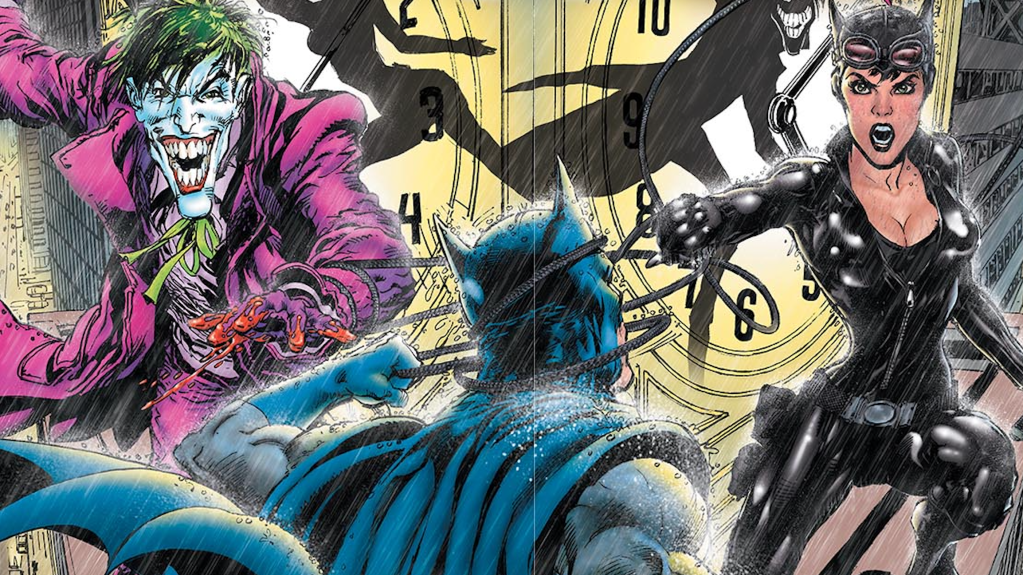
The Joker and Catwoman are, without question, two of the most iconic supervillains in comic book history, and two of the first. Although the title of the first recurring supervillain is generally credited to the Superman villain Ultra-Humanite, he was initially just a run-of-the-mill mad scientist until he put his brain into an ape’s body decades later. In contrast, the Joker and Catwoman immediately stood out from their first introduction and played a significant role in the development of supervillains as a concept.
Ever since his first appearance, the Joker has been the definitive supervillain and archnemesis archetype. The Joker was the first costumed criminal with a distinctive look and gimmick. His colorful costume, clown theme, and twisted sense of humor made him Batman’s antithesis. Unlike other villains of the time who sought power and wealth, the Joker was always an enigmatic force of pure chaos, spreading misery and death just for kicks. And although it was initially planned that he was going to be quickly killed off, the Clown Prince of Crime’s popularity ensured not only that he would survive, but also that he would remain culturally relevant for decades and inspire countless other costumed crooks.
Catwoman’s debut was far more subtle than the Joker’s, but it still laid the foundation of her character and complicated relationship with the Caped Crusader. Like Batman, Catwoman borrowed many noir tropes, such as the femme fatale. She was also cunning and manipulative in her quest for priceless artifacts. When Batman and Catwoman first met, there was an instant connection as the Dark Knight was stricken by her beauty and Catwoman immediately began flirting with him. She even suggested that they team up, but he refused to join forces with a criminal. Such a dynamic with a recurring enemy was very rare in superhero comics. Now, hero/villain relationships are very common. To this day, Batman and Catwoman have among the most iconic relationships in comic book history.
Before the Joker and Catwoman, superheroes only fought mad scientists, gangsters, and Nazis. Such enemies weren’t sustainable for the comic book industry because they became increasingly dated and did not furnish the kinds of worthy adversaries that superheroes required. The development of costumed supervillains who served as recurring, serious threats to the heroes helped ensure the superhero genre would endure for decades. The Joker and Catwoman were the first true multi-layered enemies with distinctive names, personalities, and designs that recalled their similarities and differences with their heroic nemesis. While the two may be incredibly different from each other, they still helped lay the foundations for the colorful rogues’ galleries of countless superheroes.

The Two Sides of Supervillainy

The Joker and Catwoman may have started as simple costumed enemies of Batman, but over time, they have come to represent the extremes of the dual nature of supervillains in the superhero genre. While they were two of the first costumed supervillains, they have also evolved into some of the most nuanced characters in the industry, managing to stay relevant for decades. With their conflicting personalities and goals, the Joker and Catwoman show the spectrum of crime and supervillainy.
No matter the incarnation, the Joker has always been practically evil personified. While sporting his spine-chilling grin, the Clown Prince of Crime has pushed the boundaries of what can be shown in comics by performing some of the most despicable atrocities performed by a fictional villain. Acts like killing Jason Todd and paralyzing Barbara Gordon have changed how people view the superhero genre. The Joker’s cruelty and his rivalry with Batman show the constant battle between order and chaos. At the same time, the Joker is a very entertaining character who can be the source of hysterical gallows humor and is a good contrast to Batman’s grim nature. However, overall, the Joker represents a truly irredeemable person without any morality and who views life as one big joke.
Where the Joker is pure evil, Catwoman presents the more morally gray and redeemable side of supervillains. Catwoman doesn’t go out of her way to hurt people and has a moral code. Her connection to Batman is both incredibly nuanced and tragic, as it’s only their positions on either side of the law that keep them apart despite their obvious attraction. Catwoman may have started as a straightforward supervillain but over time, she has developed to the point that it’s arguable if she can even still be classified as a villain. She may still indulge her obsession with stealing, but Catwoman has evolved into a protector of Gotham, like her former nemesis. Catwoman shows that not every criminal is pure evil and that redemption is possible.
The Joker and Catwoman are the embodiments of the vast spectrum of supervillainy present in comics. Instead of being simple one-shot villains, these two characters demonstrate the staying power of costumed crooks who pose real challenges for superheroes, both physically and mentally, and serve as foils who help to illuminate the hero’s character. The Joker is irredeemable and personifies everything wrong with humanity and nihilism. In contrast, Catwoman adds moral complexity and shades of gray to the battle between good and evil while also showing that some people can be redeemed. With their conflicting aesthetics, personalities, and evolutions, the Joker and Catwoman represent everything that makes supervillains a necessary and engaging aspect of superhero comics.
What do you think? Leave a Comment below and join the conversation in the ComicBook Forum!
More Comics
-

Image Courtesy of Image Comics -
Image Courtesy of Marvel Comics -

Image Courtesy of DC Comics -

Image Courtesy of Marvel Comics -

Image Courtesy of Marvel Comics


![Star Trek: The Last Starship Reaches Its Final Frontier Today (And Its Creators Have a Message for Fans) [EXCLUSIVE]](https://comicbook.com/wp-content/uploads/sites/4/2026/10/last-starship-exclusive.jpg?w=300)
