Spider-Gwen is the little character that could. First introduced during “Spider-Verse”, specifically Edge of Spider-Verse #2, she was a different look at two different characters brought together. She came from Earth-65, where instead of Peter Parker being bitten by the radioactive spider, Gwen Stacy was the one who got the proportionate strength, speed, and agility of a spider, along with the spider-sense. She took to the streets as Spider-Woman. She fought the bad guys of her world just like Peter did, premiering in “Spider-Verse” and going on to become a favorite of fans. Earth-65 was a great alternate world, with awesome little wrinkles like Matt Murdock being Kingpin. She shined in this world and got more and more popular, appearing in other media as Ghost Spider, working alongside Peter and Miles as Spider-Man.
Videos by ComicBook.com
The success of Across the Spider-Verse made her a favorite of audiences and Marvel Comics decided that what fans liked about her wasn’t that she was a great character with her own world and history, but that they only wanted to see her work with Spider-Man, so they brought her over to the 616 universe. Immediately, fans were incensed; they liked her in crossovers, sure, but making her another member of the Spider-Family was boring. It was a rookie mistake and sadly, it’s one that is about to infect another part of Marvel, in this case Marvel Studios. We don’t know where the MCU is going, but we have a feeling it will end by smushing all the Earths together so everything can exist in the same place. However, this is going to do grave damage to the Fantastic Four. It’s a huge mistake in both places, one that misunderstands what fans loved about both properties.
Spider-Gwen and the Fantastic Four Shined Because of Their Worlds, Not In Spite of Them
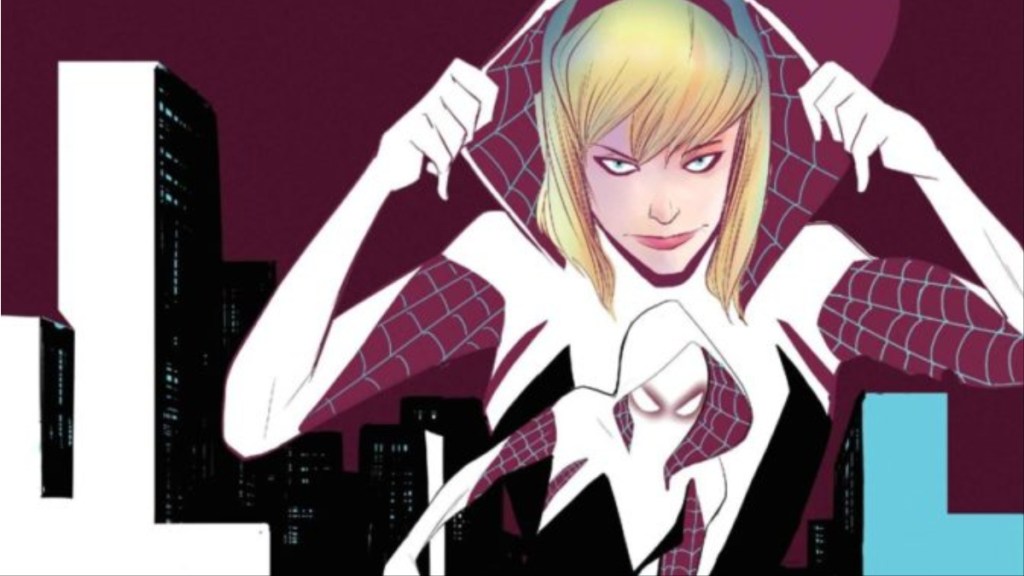
“Spider-Verse” worked so well because of the way it introduced its alternates. There were several tie-in miniseries, each of them giving readers a showcase of each alternate Spider on their Earth. The best of them, the ones that everyone likes, were able to shine in these stories, giving them staying power after the main story ended. Spider-Gwen was one of these. To begin with, Gwen Stacy is one of those characters that has been idealized for new generations of fans and getting to see a new version of this legendary character grow and change in real time was tantalizing. In a lot of ways, she was entirely new character and that’s always exciting.
Another big draw was her world. Marvel wanted fans to love Gwen, so they could use this new world to create an idealized version of the character who was nothing like the vain, mercurial mean girl girlfriend of the 616 universe. Earth-65 was awesome; for example, on that world, Peter wanted to be like his idol Spider-Woman, accidentally making himself into the Lizard and forcing Gwen to stop him. He would die upon returning to human form, Gwen blaming herself. Her arch enemy was Matt Murdock, a corrupt lawyer who secretly ran the Hand and used them to control the underworld. On this world, she was in a band with Mary Jane, a great wrinkle that lead to some cool stories. Fans loved discovering more about her world, watching it grow and evolve along with her. Losing that has been a big blow to the character.
That brings us to Fantastic Four: First Steps. The MCU introduced Marvel’s First Family using a retro ’60s world of high technology thanks to the genius of Reed Richards and the Fantastic Four fighting evil and allowing it to develop in different ways. It was a cool idea to recapture the Cold War flavor of the early Fantastic Four comics; those stories only work so well when seen in their era. It gave the movie a unique visual identity from the other MCU films, something that was often criticized about the films. The visual flair and the way the culture of the day molded the characters was an important part of the film’s story, helping it stand out.
Now, obviously we don’t know what’s going to happen in Avengers: Doomsday and Avengers: Secret Wars, but everyone assumes there will be some multiversal reset that brings together the three disparate strains of Marvel – the Avengers-focused world we know, the X-Men’s Earth, and the Fantastic Four’s world. This is going to rob the Fantastic Four of something that was very important to it, echoing the current Spider-Gwen problem – the unique look, tone, and history of their world. In comics, retconning the universe is easier to accept for fans, since we know that in the months to come, we’ll get to see how it all works out. Movies don’t have that luxury; it would take years to explain how everything worked in the newly combined universe, which could make this a very risky move. Regardless of all of that, it’s annoying and it shows how little Marvel understands how to use the multiverse concept in general.
Marvel Is Fumbling the Multiverse Ball With Spider-Gwen and the Fantastic Four
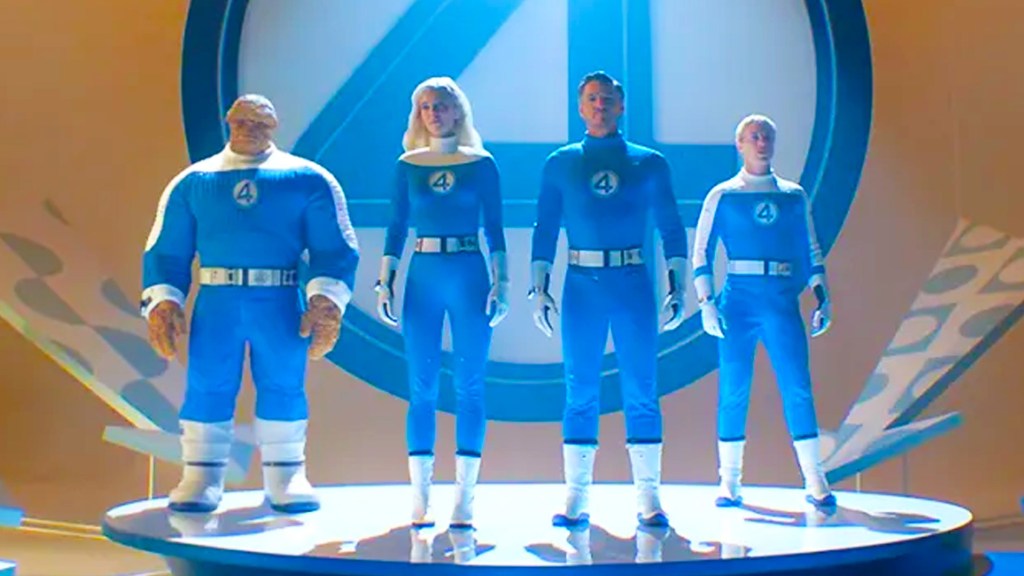
When it comes to multiverses, Marvel isn’t exactly adroit. The company has had one for decades, but they rarely used it as anything other than alternate universe story fodder. The most popular of these will stay around and get continuations, but for the most part, Marvel is one and done with 90% of the alternate universes it creates. The publisher just doesn’t really understand how to use them correctly; they don’t want crossovers, they want connectivity. They don’t want unique settings that lead to new stories, they want it all to fit in the Marvel Universe. That’s admirable, but it can rob readers of an important part of the story.
Spider-Gwen, on her own, is a standard female Spider-Man-type hero. There’s nothing too special about her. However, her Earth was where she could stand out. Put her in the 616 and she’s just another hero. On her Earth, she’s the hero and it helps make her adventures stand out more. The same can be said of the Fantastic Four in the Marvel Cinematic Universe. Unless all of their upcoming movies are going to be set in the past and retcon things, they’re going to lose something if they are dropped whole cloth into the MCU. Marvel can tell amazing alternate universe stories, but they don’t seem to understand how to allow alternate universes to exist on their own along with the others.
What do you think about Marvel’s use of the multiverse? Leave a comment in the comment section below and join the conversation on the ComicBook Forums!
More Comics
-
Image Courtesy of Marvel Comics -
Image Courtesy of Marvel Comics -

Image courtesy of DC Comics -
Image Courtesy of Marvel Comics -
Image Courtesy of Marvel Comics -

Image Courtesy of DC Comics