Batman: Dark Patterns is a twelve-issue series set in the Dark Knight’s third year, focusing on standalone, three-part mysteries. It’s garnered plenty of well-deserved attention and praise for its portrayal of both Batman and Gotham City. Modern Batman stories tend to handwave the actual deduction and focus more on the action, but this series painstakingly takes Batman through a very well-realized Gotham City, where you can feel the dark atmosphere that made the criminals as well as Batman. The final, climactic issue especially showcased the strongest aspect of Batman that so often goes overlooked: the combination of mysticism and realism.
Videos by ComicBook.com
Batman is a strange character. He’s a man who dresses like a bat and possesses impossible skills that he uses to rescue his home from elaborate crimes and death traps, but he is also often written as a hyper-serious, realistic character. He has a reputation for being a very grounded character, which is the approach most live-action adaptations have showcased, even though he can be as wacky as any other spandex-wearing hero. However, to say Batman is one but not the other is disingenuous to his character. The truth is that Batman works best when both sides are acknowledged, and Dark Patterns #12 did so perfectly.
The Symbol Chosen by Gotham
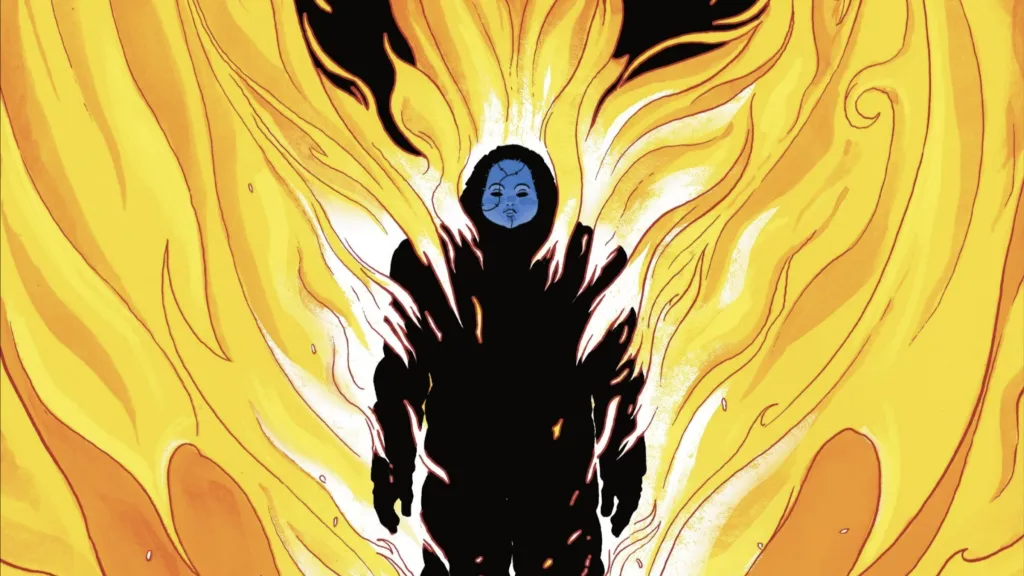
Dark Patterns’ final arc, “The Children of Fire,” focused on the reporter-turned-pyromaniac Nicky Harris kidnapping Dr. Sereika, Gotham’s only forensic scientist and Batman’s ally. Harris believed that Gotham City was created by different flames throughout history that the city was at a tipping point between what it once was and what Batman was turning it into. Sereika represented science and the low-to-the-ground elements of Batman, while Harris embodied the mythology that Batman was building, the legend that was larger than life. He trapped them both inside a building he lit ablaze, and would let the fire decide whether Gotham would enter an age of myth or science.

Batman fought his way inside and freed Sereika, but Harris got away. Sereika told the Dark Knight that Harris had planted extra firebombs across the city, planning to create a firestorm. Batman rushed around and managed to disable the bombs, but that’s where things get strange. After the fact, Batman claimed to barely remember what happened, adrenaline overriding his fever and smoke inhalation. According to the people of Gotham, however, after Batman disabled the last bomb, the fire was almost on him. The Dark Knight turned to face it and raised a hand. The fire stopped right before him, and then retreated and began to die out. It’s as if the fire itself refused to hurt Batman.
Batman, Sereika, and Gordon reflected on the nature of fire and how it almost seemed to live and die by its own rules. Batman fully refused to accept a supernatural explanation and left to continue protecting the city. The series ended with Batman saying that there was always a fire inside of Gotham. No matter how wild it gets, that only signifies change, and he is here to protect the burning city.
Chosen By Fire, Or Randomly Saved?
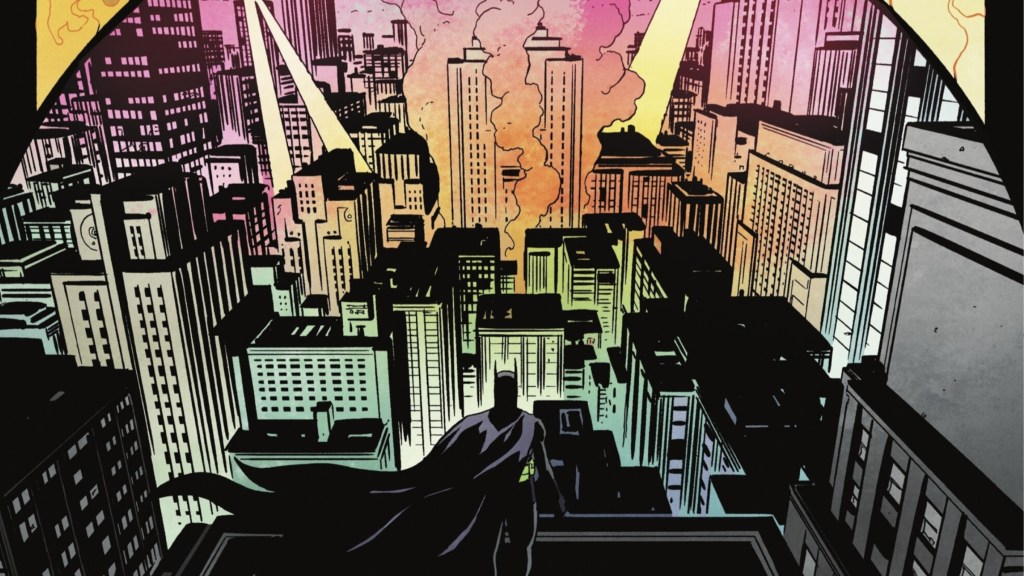
Was Batman saved because the fire spared him, or because it just so happened to stop advancing right before it reached him? The ending is left ambiguous, and that is the greatest part about it. Batman rationalizes it, refusing to believe that the world cannot be explained, as he always does. Batman is a character who makes sense of the world. He enforces order on chaos. Batman is a detective, meaning he finds explanations for things, and things cannot be explained if fire were sentient and could control a city.
Batman, at the end of the day, is just a man. He is a man with extraordinary skills, but he is still relatively bound by human limitations, as Dark Patterns showed repeatedly. However, the world around him is not. More often than not, his villains break the perceived laws of reality, and Batman is left trying to rationalize everything. Batman is a grounded character in a world that only pretends to be grounded, but is actually flying at Mach ten. This contradiction is the internal struggle that drives some of Batman’s best stories, from “Gotham Nocturne” to Grant Morrison’s legendary run.
Superman works because he can make you believe a man can fly. Batman works because he can explain why a man can fly, and make you understand it, even when there’s no discernible reason it should work. Batman is as much a creature of legend as he is a man with limitations, and he does his absolute best work when his stories exist somewhere in between those two extremes.
Batman: Dark Patterns #12 is on sale now!
What do you think? Leave a comment below and join the conversation now in the ComicBook Forum!
Most Viewed
-

Image Courtesy of Toei Animation -

Image Courtesy of Ufotable