Batman’s villains are some of the most compelling in comic book history, largely because many of them lack supernatural powers yet remain formidable adversaries. These characters often rely on sheer willpower to challenge the Dark Knight, making their confrontations deeply psychological and emotionally charged. Despite lacking superhuman abilities, they use their resourcefulness and creativity to counter Batman’s physical prowess and high-tech gadgets.
Videos by ComicBook.com
They often embody extreme philosophies or personal traumas that drive them to become symbols of chaos, fear, or revenge. This makes them not just physical threats but also moral and philosophical challenges for Batman, testing his principles and resolve. Ultimately, their lack of supernatural powers doesn’t weaken them.

10. Black Mask (Roman Sionis)
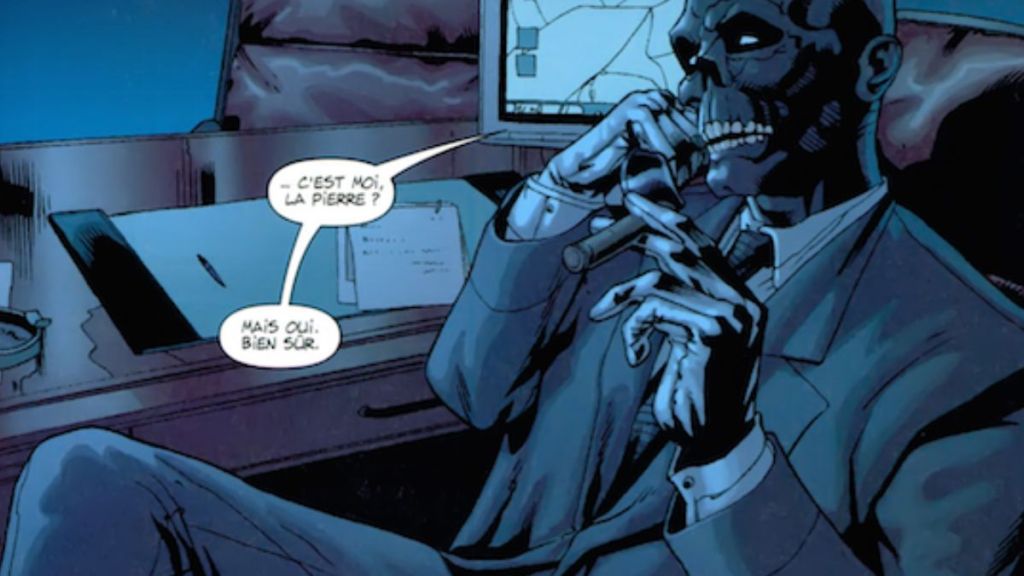
Black Mask represents pure corruption born from Gotham’s elite. Once a failed businessman humiliated by Bruce Wayne, he turned his hatred into a criminal empire fueled by sadism and control. His skeletal mask, fused to his face, became both his curse and symbol of dominance over the city’s underworld.
What makes him stand out is his brutality paired with intelligence. Black Mask orchestrates psychological warfare, manipulating everyone from gang members to GCPD officers. In stories like Under the Red Hood and Catwoman Vol. 3, he’s proof that Gotham’s rot often grows from within its finest families.
9. Professor Pyg (Lazlo Valentin)
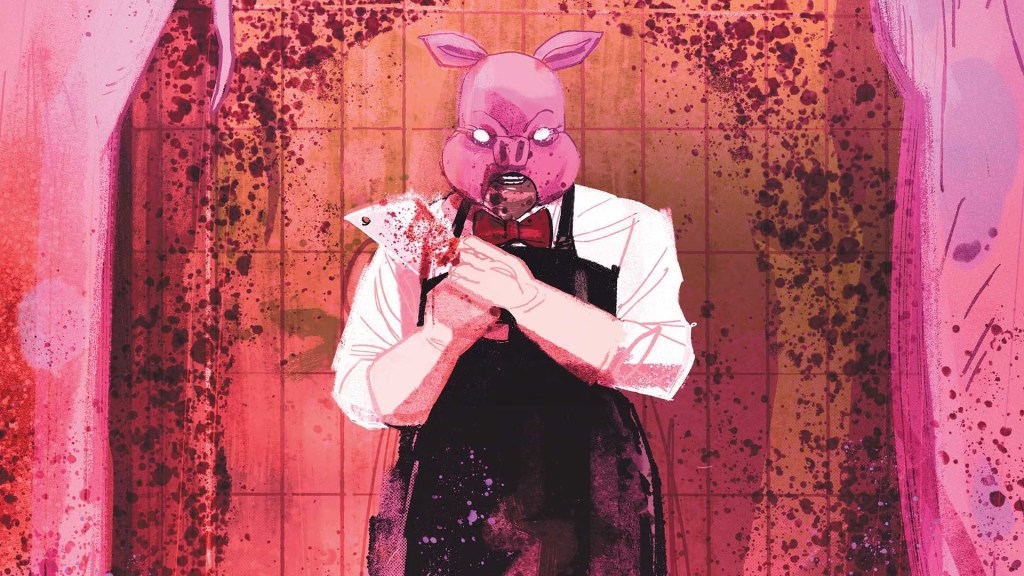
Professor Pyg is what happens when twisted perfectionism meets psychosis. Operating with surgical precision, he creates his “Dollotrons,” mindless puppets altered beyond recognition. His warped vision of beauty and control over flesh make him one of Batman’s most disturbing foes introduced in Batman and Robin (Vol. 1) by Grant Morrison.
Unlike most villains, his motivations are rooted in delusion. Every appearance feels like horror incarnate, pushing Batman’s resolve as a protector of Gotham’s sanity. He’s more psychological nightmare than criminal mastermind, and that’s what makes him unforgettable.
8. Victor Zsasz
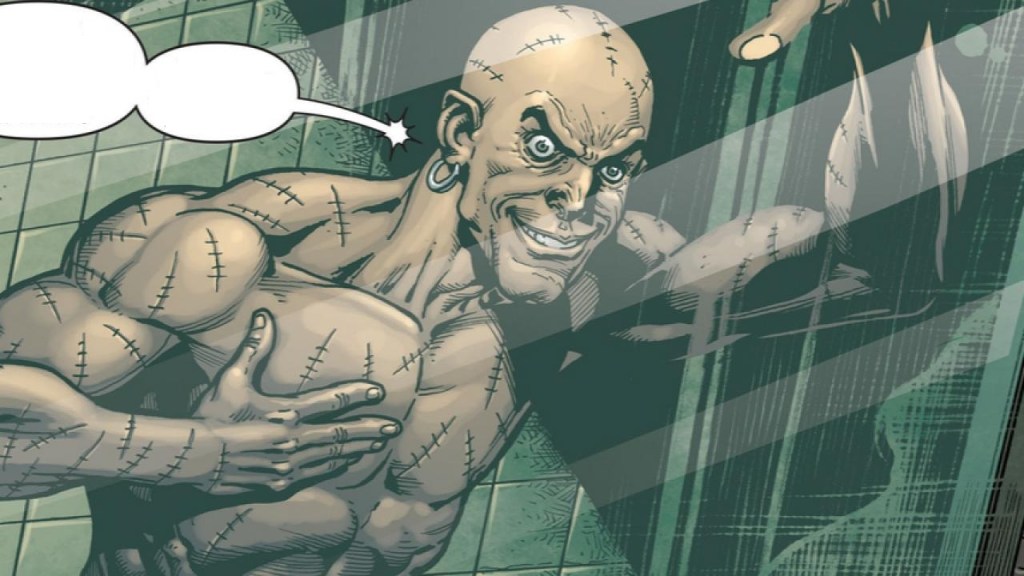
Victor Zsasz is a serial killer who treats murder as liberation. He carves a tally mark into his skin for every victim, turning his body into a living record of death. Created by Alan Grant and Norm Breyfogle, he strips Gotham of its sense of safety with his random, methodical killings.
Zsasz thrives on chaos. His confrontations with Batman aren’t about ideology — they’re about survival against someone utterly devoid of empathy. In Batman: The Last Arkham, his mind games and hunger for death make him more terrifying than many superpowered adversaries.
7. Carmine ‘The Roman’ Falcone
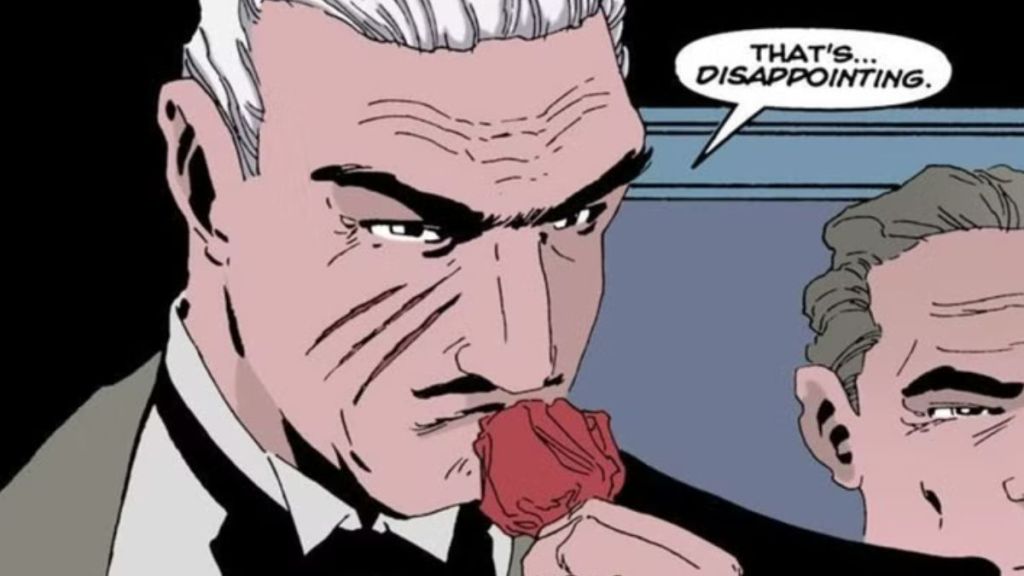
Carmine Falcone isn’t flamboyant or deranged; he’s organized crime incarnate. First fleshed out in Batman: Year One and The Long Halloween, Falcone controls Gotham through loyalty, political reach, and institutional corruption. Before masks ruled the city, Falcone was Gotham’s dark heart.
Falcone’s realism grounds Batman’s world. His fall from powerful mob boss to relic marks Gotham’s evolution from crime noir to gothic insanity. Every time Falcone resurfaces, it’s a reminder that money and influence can be more powerful than madness or magic.
6. Ra’s al Ghul
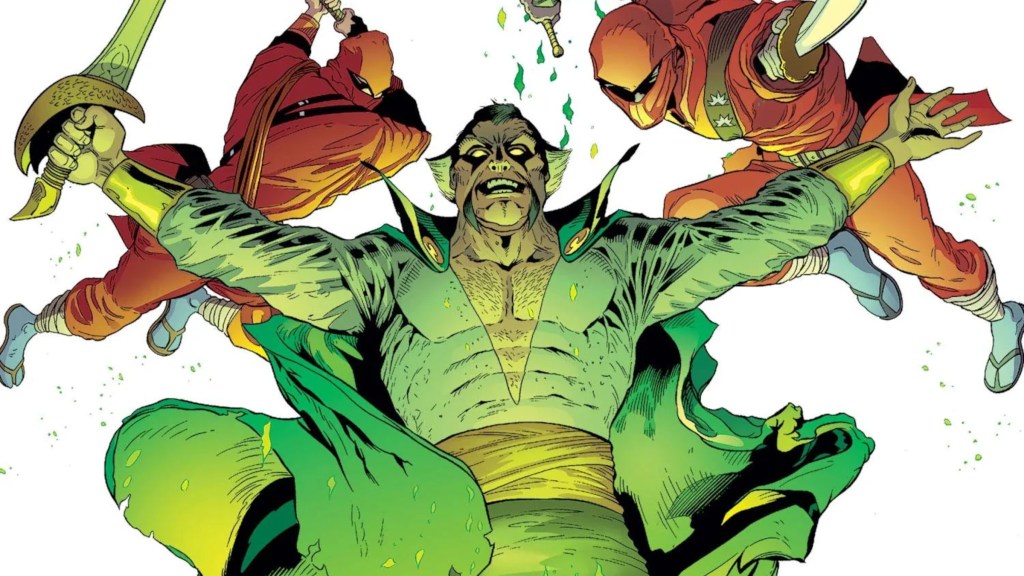
Ra’s al Ghul operates on intellect, discipline, and centuries of knowledge rather than supernatural power. The Lazarus Pits may lengthen his life, but his danger comes from strategic brilliance and an army of assassins devoted to his eco-extremist mission.
As the head of the League of Assassins, Ra’s believes he’s saving the world through decay and rebirth. In Batman: Son of the Demon and Birth of the Demon, his ideological opposition to Batman elevates their rivalry beyond crime and punishment — it’s civilization versus nature.
5. Hush (Thomas Elliot)
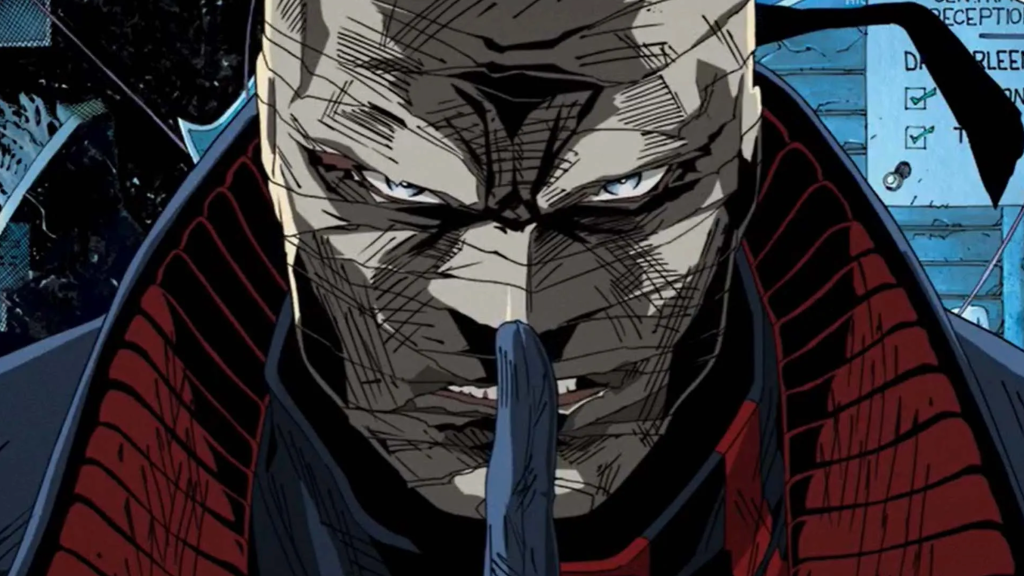
Thomas Elliot, or Hush, is the mirror image of Bruce Wayne. A childhood friend turned nemesis, Hush manipulates Gotham’s villains into his elaborate revenge tale in Batman: Hush. His surgical precision extends beyond the operating room — every scheme cuts deep into Bruce’s emotional scars.
What makes him frightening isn’t skill or wealth but obsession. Elliot dedicates his life to dismantling Bruce’s identity, exposing vulnerabilities no one else can touch. He’s proof that the most personal betrayals leave the deepest wounds.
4. Hugo Strange
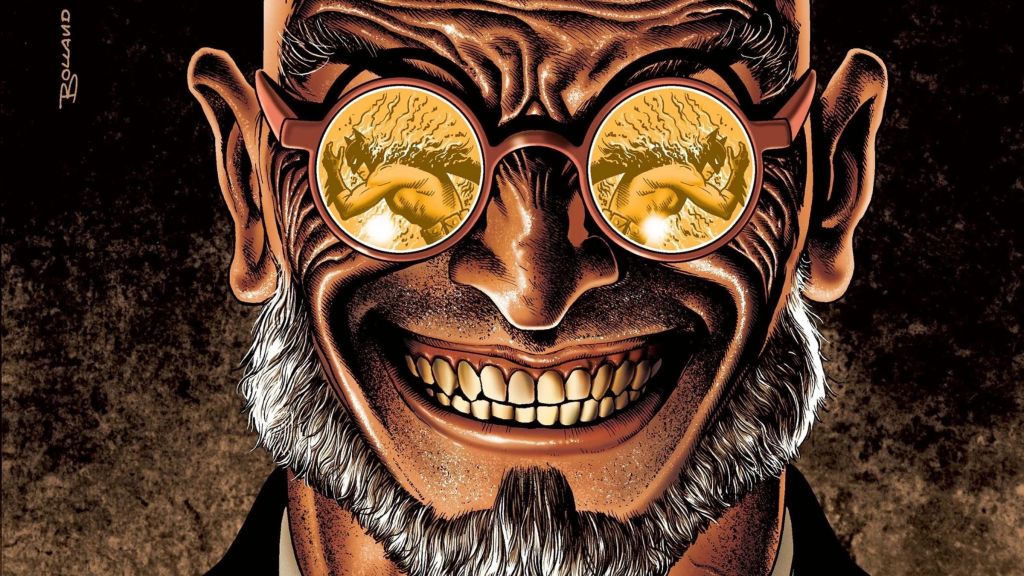
Hugo Strange predates most modern Batman villains, debuting in Detective Comics #36. His obsession with Batman’s identity and psychology turns him into a proto-Scarecrow meets Lex Luthor hybrid. Unlike others, Strange doesn’t want Gotham’s wealth or chaos—he wants to become Batman.
He’s one of the few villains smart enough to uncover Bruce Wayne’s secret and use it strategically. Across arcs like Prey and Strange Apparitions, his eerie intellect and unethical experiments give him a weight that feels disturbingly plausible.
3. The Penguin (Oswald Cobblepot)

The Penguin is Gotham’s most sophisticated parasite. Far from the campy caricature of older adaptations, the modern Cobblepot, especially under writers like Ed Brubaker, is a mob financier and arms dealer cloaked in old-world charm. His power comes from intellect, influence, and money, not gadgets or chemicals.
Cobblepot thrives on survival. He adapts — politically, socially, and criminally — to every Gotham shift, making him a permanent fixture in its power structure. He doesn’t need insanity to be terrifying; his calm ruthlessness keeps the city bleeding quietly.
2. Two-Face (Harvey Dent)
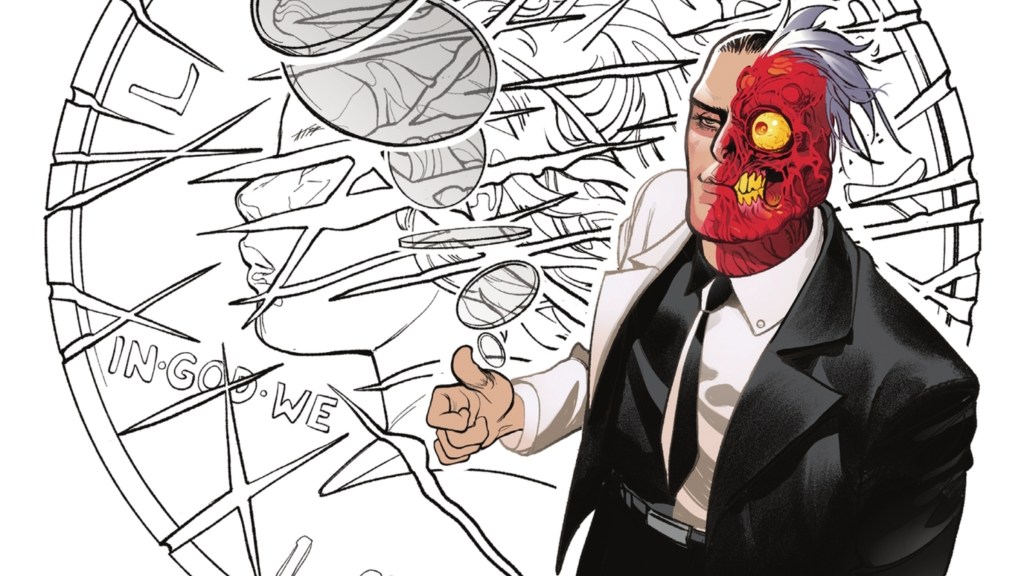
Harvey Dent’s tragedy defines Gotham’s moral decay. Once its “White Knight,” Dent’s transformation embodies how fragile justice truly is. The acid that scars half his face also divides his soul, creating a villain ruled by cold mathematics of chance.
In stories like The Long Halloween and Dark Victory, Two-Face remains Batman’s psychological equal. His obsession with duality exposes the hypocrisy within Gotham and even within Batman himself. Every coin flip is a grim reflection of how fate and free will intertwine in the city’s darkness.
1. The Joker
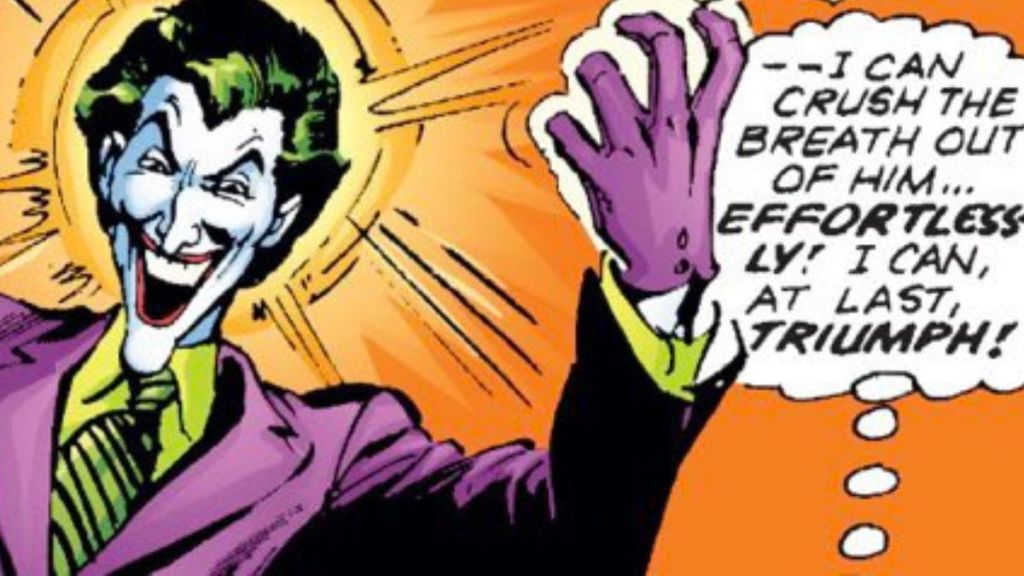
No powers. No formal empire. Just chaos incarnate. The Joker’s brilliance lies in his human unpredictability — his ability to mirror Batman’s discipline with anarchic genius. From The Killing Joke to Endgame, the Joker proves that madness is the most dangerous weapon of all.
Every iteration questions what Batman truly stands for. Joker’s humor mocks heroism itself, forcing Batman to confront the futility of order in an irredeemable city. He’s the terrifying reminder that evil doesn’t need powers to reshape the world.
What do you think? Leave a comment below and join the conversation now in the ComicBook Forum!
Most Viewed
-
Image Courtesy of Netflix -

Image courtesy of Marvel Studios -

Courtesy of SuperGiant Games -

Courtesy of Crunchyroll -

Courtesy of Eight-Bit