
The Flash is a hero who has been running with the speed of a lightning bolt since his debut in 1940. Whether it be Jay Garrick, Barry Allen, or Wally West, the Flash ranks among DC Comics’ most iconic superheroes. As the hero who popularized the speedster superhero trope, it’s unsurprising that the Flash has been the source of some of the most significant changes in comic book history in terms of events, concepts, and tones. Many of these changes are conveyed beautifully through Flash’s striking and dynamic covers. These Flash covers manage to capture the sense of impossible speed so well that it often feels like the hero is bursting right off the page.
Videos by ComicBook.com
Comic book covers are meant to grab a person’s attention so that they’ll want to buy it. Luckily, the Flash’s propensity for fantastical imagery and energetic poses has helped his comics stand out and become icons of the comic book industry, with a lasting impact.
10) The Flash (Vol. 1) #174

The Rogues are some of the Flash’s most iconic enemies, so when they made their big return after their first appearance, artists Carmine Infantino and Murphy Anderson ensured that readers understood the weight of this comeback. In a stunning incorporation of the comic’s text, The Flash (Vol. 1) #174 has Mirror Master, Captain Boomerang, Heatwave, Top, Pied Piper, and Captain Cold sitting atop the gigantic title as they triumphantly look down at their vanquished foe. To see the Flash, who’s defined by his speed, unconscious and motionless on the floor while the Rogues literally take over his title, is an incredibly effective and striking image. This image has been referenced several times by other comic artists for its brilliant portrayal of the Flash’s helpless situation.
9) Flashpoint #1

With one mistake, Barry Allen had inadvertently set into motion one of the darkest and most impactful timelines in DC Comics history. The cover of Flashpoint #1, illustrated by Andy Kubert, shows the Flash sprinting straight ahead as electricity courses through his body and the friction tears his suit to shreds. And looming ominously behind him and above a city are the foreboding silhouettes of Cyborg, Batman, Wonder Woman, and Aquaman, who have been drastically transformed both in body and mind in this grim new timeline. And to top it all off, foreboding red lightning bolts strike behind all the figures. It’s an epic cover that teases the dark world of Flashpoint that would eventually lead to the New 52 DC reboot.
8) The Flash (Vol. 4) #1

With the start of volume four, The Flash (Vol. 4) #1 marked Barry Allen’s introduction into the New 52 DC Universe reboot that he had inadvertently created after Flashpoint. Created by Francis Manapul and Brian Buccellato, The Flash (Vol. 4) #1 is one of the most iconic covers of the New 52 era. As one would expect from the Flash, Barry is fearlessly charging headfirst into this new universe as electricity emanates from his body. The proximity of Barry to the viewer creates a striking and personal image that captures the character’s speed and determination. It’s a brand-new world and series for the Flash, and like he’s always been, he’s running headfirst into them.
7) The Flash (Vol. 1) #163

Created by Carmine Infantino, the cover of The Flash (Vol. 1) #163 features one of the biggest fourth wall breaks of the Silver Age. Against a black background, the Scarlet Speedster reaches out his hand and demands that the viewer stop what they’re doing immediately and read the issue because his life depends on it. It’s a hilariously direct marketing strategy that paid off, as it was referenced several times, including on a variant cover for Absolute Flash #1. Acclaimed comic book writer Grant Morrison even stated that this cover motivated him to focus less on gritty realism and instead on fantastical and imaginative ideas for his stories.
6) The Flash: Rebirth #1

When Barry Allen returned after being dead for 23 years, DC Comics made sure to emphasize the significance of his resurrection with The Flash: Rebirth #1. Artists Ethan Van Sciver and Moose Baumann created a cover with an aura of energy and intensity. The cover is a close-up of Barry putting on his boots, preparing to assume his heroic identity again. And with a look of fierce determination, electricity surges across the page like an unstoppable lightning storm, with the most intense bolts originating from his eyes and costume. The cover of The Flash: Rebirth #1 encapsulates the raw and nearly infinite power that has built up in Barry since his departure, and he’s now ready to strike out like a lightning bolt.
5) Superman (Vol. 1) #199

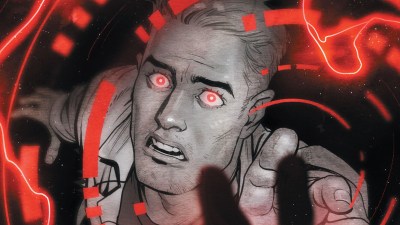
The Flash isn’t the only quick hero in DC Comics, as Superman is famous for being faster than a speeding bullet. And after much fan debate, the cover of Superman (Vol. 1) #199 seemed poised to settle the argument once and for all over who is the Fastest Man Alive. Artists Carmine Infantino and Murphy Anderson perfectly capture how momentous this event is for readers everywhere, with Superman and Flash sprinting forward as a stadium full of people watches. Even numerous superheroes are in the background, rooting for their chosen racer. The cover is everything a reader could want to build a scenario so epic that it sparked a long trend of Superman and the Flash competing in races.
4) Crisis on Infinite Earths #8

Part of the epic Crisis on Infinite Earths event, the eighth issue of this incredible series had readers say goodbye to Barry Allen for the next two decades. The cover by George Perez depicts the Flash making his final stand, holding the unconscious body of the villain Psycho Pirate as wreckage and fire surround them. Additionally, the Flash is staring defiantly upwards toward the towering and all-powerful Anti-Monitor, whose so gigantic that only the back of his legs can be seen. The cover is an iconic image that is referenced by other artists many times because it so aptly teases a major shake-up not just to the Flash Family but to the DC Universe.
3) Flash Comics #1

During the Golden Age of comics, when the superhero genre was still in its infancy, the cover of Flash Comics #1, created by artist Harry Lampart, introduced the world to the first speedster superhero: Jay Garrick, the Flash. Dressed in a colorful costume inspired by Mercury, the God of Speed, Jay is depicted sprinting to catch a bullet in his hand before it hits his girlfriend, Joan Williams. Yet the Scarlet Speedster wasn’t the only superhero who made his first appearance on the cover of Flash Comics #1. On the left, the cover teases the other stories featured in the anthology comic. Along with characters named the Whip and Cliff Cornwall, the cover depicts two superheroes of the Golden Age who became staples: Hawkman and Johnny Thunder.
2) Showcase #4

In 1956, the Silver Age of comics began with a cover that changed everything. Illustrated by Carmine Infantino, the cover of Showcase #4 introduces the second Flash, Barry Allen, who is bursting forth from his own film reel. After 16 years of Jay Garrick operating as the Flash of the Golden Age, Barry Allen became one of the first DC characters to take up the identity of a pre-existing hero. With his bright red costume and dynamic pose running towards the viewer, Barry made an incredible first impression. Showcase #4 is considered by many to be the official start of the Silver Age because of its lighter tone and greater emphasis on science-fiction tropes, as exemplified by its cover.
1) The Flash (Vol. 1) #123
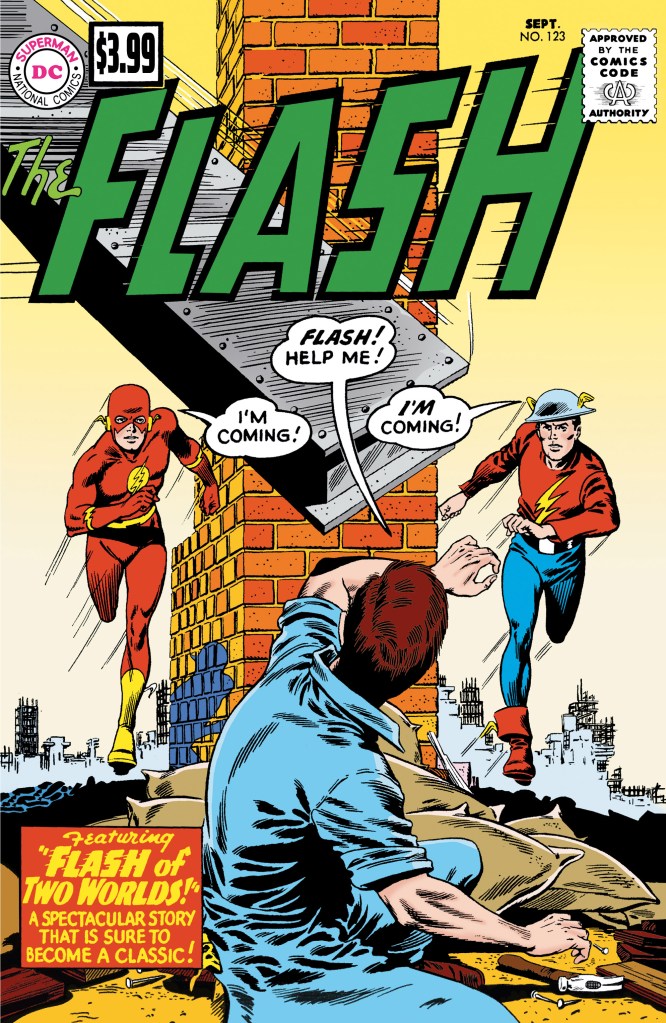
In one of the most referenced comic book covers of all time, The Flash (Vol. 1) #123 popularized the concept of the multiverse and forever changed the superhero genre. In this groundbreaking cover by Carmine Infantano, a construction worker calls out for the Flash to save him from a falling steel beam, with both Barry Allen and Jay Garrick responding to the call and racing forward. The format visually explains the concept of a crossover event. This cover has been imitated countless times by numerous comic books because it exemplifies the meeting of two versions of the same character. And of course, this cover sparked the beginning of the multiverse in superhero media, and the infinite potential it brought for new stories.
What do you think? Leave a Comment below and join the conversation in the ComicBook Forum!
More Comics
-
Image Courtesy of DC Comics -
Image Courtesy of Marvel Comics -
Image Courtesy of DC Comics -
DCU Batman appearing in silhouette in Creature Commandos. -
Image Courtesy of DC Comics -
Image Courtesy of Marvel Comics -

Image Courtesy of Marvel Comics
![Charles Soule Teases Venom’s New Era and Romance (Things Heat Up in Our Venom #2 First Look) [EXCLUSIVE]](https://comicbook.com/wp-content/uploads/sites/4/2026/10/venom-2-exclusive.jpg?w=300)
