DC has always had a flair for recycling troublemakers into saviors. It’s part guilt, part creative boredom, and maybe a sprinkle of cosmic irony. The brand’s greatest redemption arcs often start with someone punching the good guys, stealing their gadgets, or trying to overthrow a government, only to wake up one story arc later wearing a slightly darker version of spandex and claiming “I’ve changed.”
Videos by ComicBook.com
Behind all the drama, though, there’s something charming about DC’s repeat offenders finding new purpose. Whether it’s former crooks discovering conscience or megalomaniacs learning teamwork (usually under great protest), these character pivots give the universe flavor.

10. The Pied Piper (Hartley Rathaway)
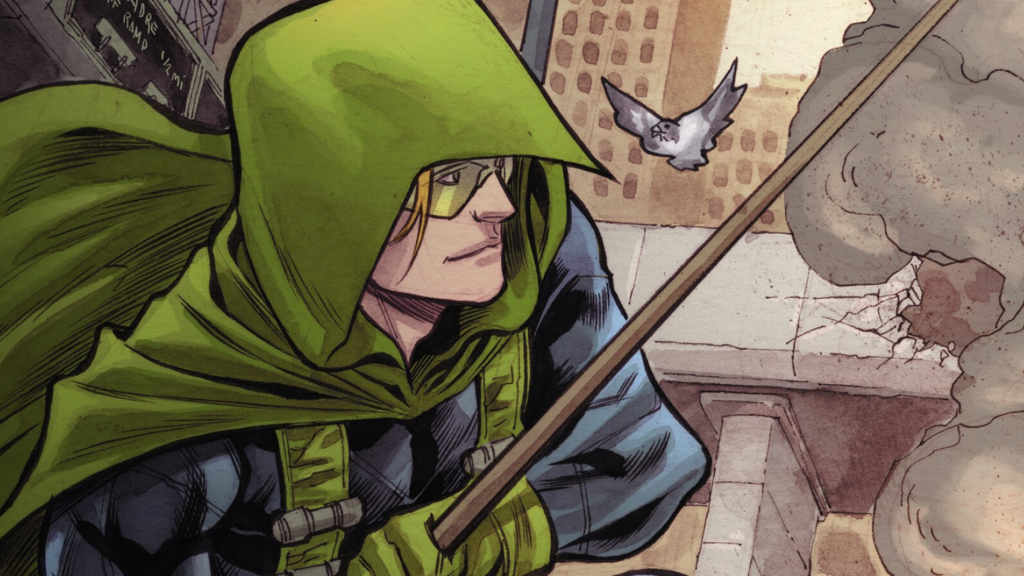
Before joining the Flash Family, Hartley Rathaway debuted as one of the Rogues, wielding his mastery of sound to manipulate minds and cause chaos across Central City. His early days were marked by greed and defiance against the system that raised him in privilege but left him bored and disillusioned. Rathaway’s vendetta against monotony turned into rebellion, often putting him in direct opposition to the Flash.
Redemption came through friendship and belief in genuine reform. As an ally of Wally West and an advocate for social justice, he proved villains could reform without losing their personality or wit, bringing depth to the concept of moral realignment in superhero comics.
9. Plastic Man (Eel O’Brian)
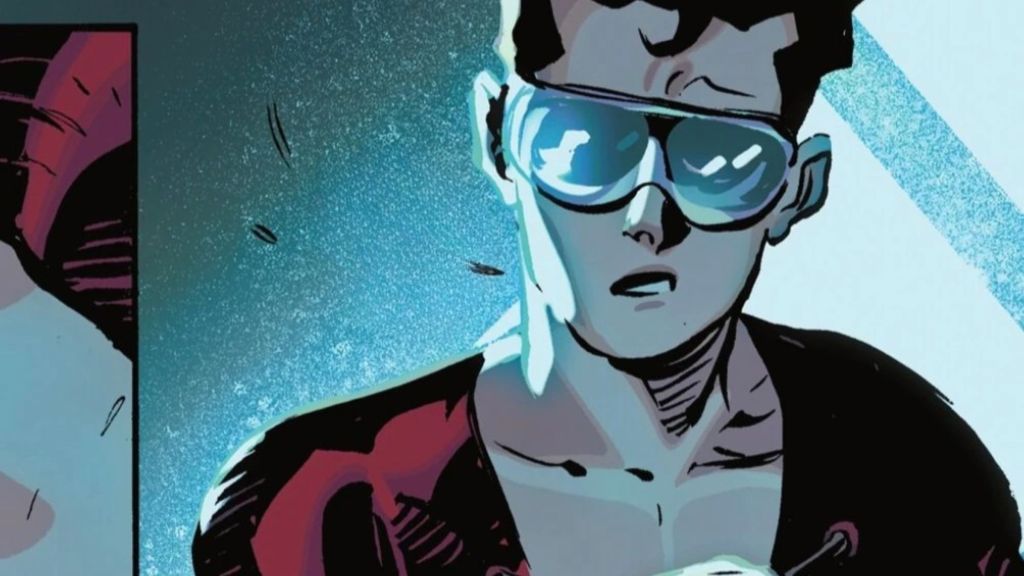
Eel O’Brian’s criminal career was long before the Justice League beckoned. After a failed robbery at a chemical plant left him deformed and abandoned by his crew, he was given shelter by monks who helped him rediscover purpose. His powers of elasticity became a metaphor for his flexibility in morality. He stretched from being a crook to becoming one of DC’s most unpredictable good guys.
He saw firsthand how corruption eats away at the self, and his decision to switch sides was about reclaiming identity rather than seeking forgiveness. His oddball humor and chaotic energy later made him indispensable to teams that valued unconventional heroes.
8. Hawkgirl (Shayera Hol)
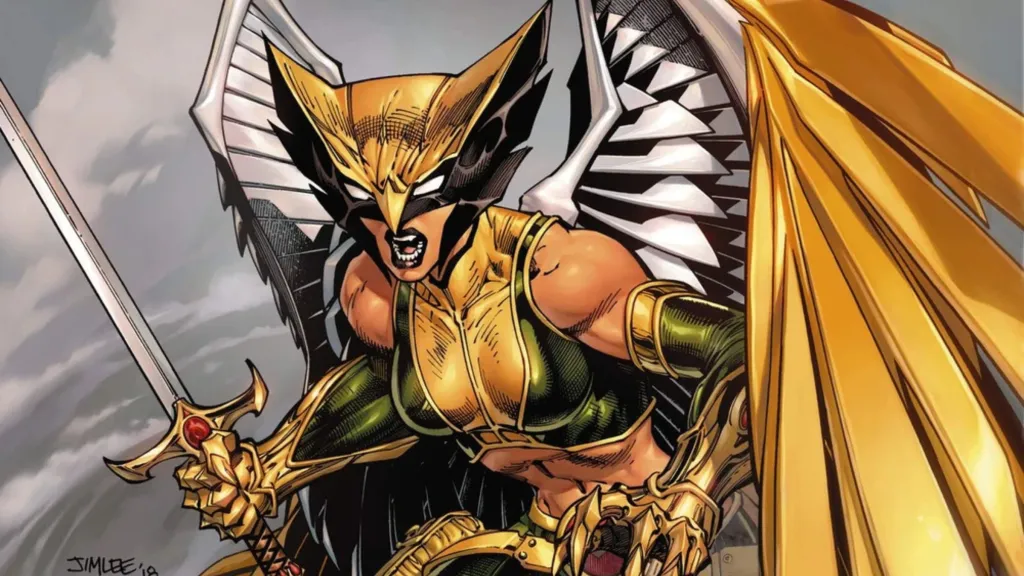
Introduced as a Thanagarian law enforcer, Hawkgirl arrived on Earth with a mission that ultimately positioned her as both hero and betrayer. Her ties to the aggressive Thanagarian regime led her to clash with the Justice League during one of DC’s most morally tangled storylines. Her divided loyalty made her appear treacherous before she fully committed to Earth’s defense.
Her redemption arc remains one of DC’s most emotionally charged. She wrestled with guilt, honor, and love while standing against her people. By choosing independence over duty, she redefined what heroism meant in the face of impossible choices. Hawkgirl’s story retains a tragic nobility rarely found in mainstream superhero narratives.
7. Catwoman (Selina Kyle)

Selina Kyle started as a jewel thief, one of Gotham’s most elusive burglars who viewed crime as both art and survival. Early depictions of Catwoman showcased her as a stylish outlaw, existing outside traditional morality. She was neither murderer nor saint—simply a woman dismantling power structures that dismissed her.
Over years, her relationship with Batman shifted from rivalry to complicated affection, symbolizing Gotham’s gray morality. Catwoman didn’t “turn good” so much as evolve into an antihero who could hold her own against corruption without hiding behind a mask of purity. She stands as one of the few in DC lore to master redemption without surrendering to sanctimony.
6. The Shade (Richard Swift)
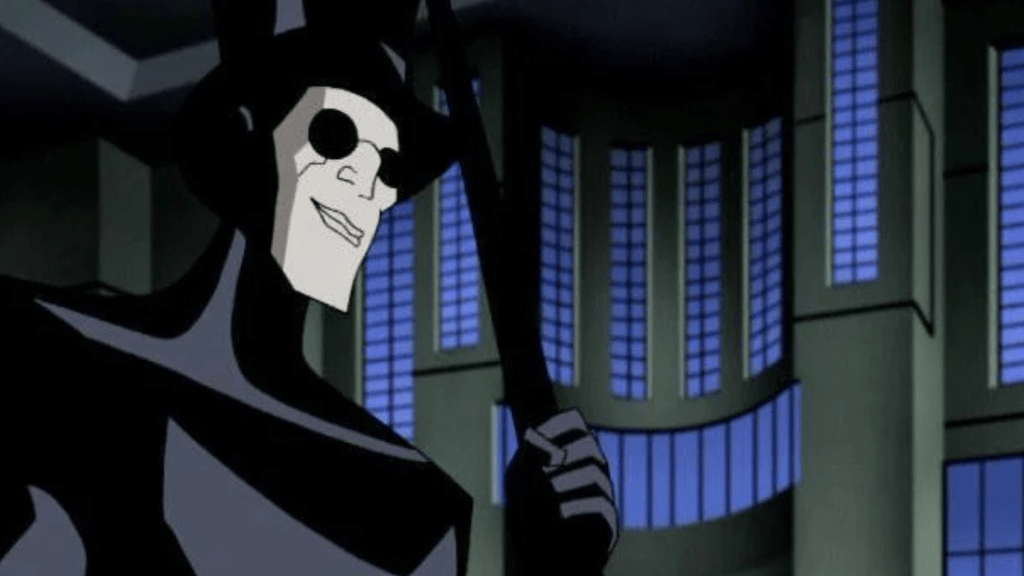
When first appearing in Flash Comics #33, the Shade operated as a classic villain — a man manipulating shadows to commit crimes. His mystique came from his Victorian origins and the dark, magical elements tied to his powers. He reveled in villainy, mocking the notion of righteousness with literary flair.
Over the decades, the Shade transformed into a compelling figure of moral ambiguity, especially in James Robinson’s Starman. He developed a code, mentoring heroes like Jack Knight while preserving a cynical distance from idealism. The Shade’s complexity made him proof that redemption stories need not erase the past; they can coexist with it elegantly.
5. Sinestro (Thaal Sinestro)
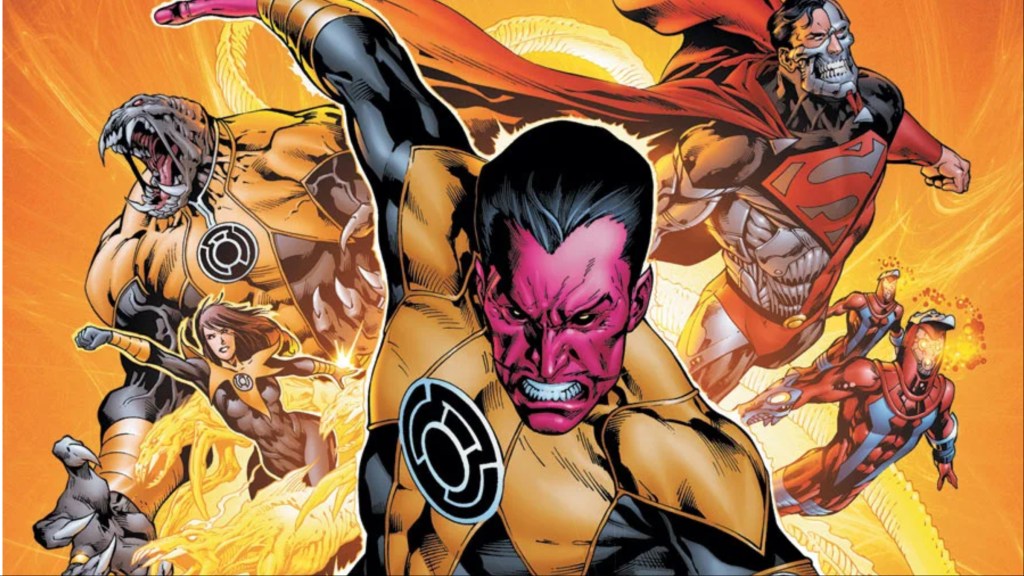
Originally the greatest Green Lantern, Sinestro’s fall from grace birthed a mythology around tyranny disguised as order. His belief in controlling fear rather than fighting it turned him from intergalactic hero to dictator. Banished and humiliated, Sinestro founded his own corps and built an empire based on the weaponization of emotion.
Despite his authoritarian tendencies, Sinestro represents DC’s most articulate villain-turned-hero archetype. His uneasy alliances with Hal Jordan reveal his capacity for purpose beyond domination. While never fully abandoning his methods, he occasionally aligns with the Lanterns to serve what he deems “necessary justice.”
4. Black Adam (Teth-Adam)
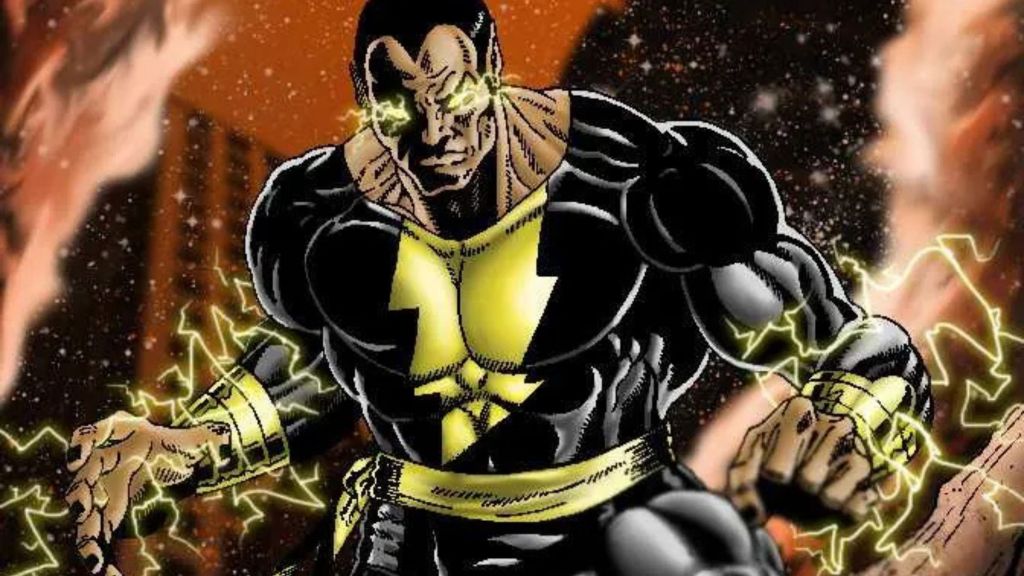
Black Adam began as the corrupted champion of Shazam’s power, using divine strength to subjugate. Ancient betrayal and centuries of grief hardened him into an unyielding ruler of Kahndaq. Early portrayals painted him plainly as a monster, but modern interpretations gave him nuance—his rule born from unrelenting love for his people over blind villainy.
When Adam protects his homeland, he acts less as a hero and more as a necessary evil defying foreign interference. His intentions collide violently with conventional morality, yet his protection of Kahndaq makes him a tragic symbol of sovereignty. Redemption, for Adam, exists within defiance itself.
3. Harley Quinn
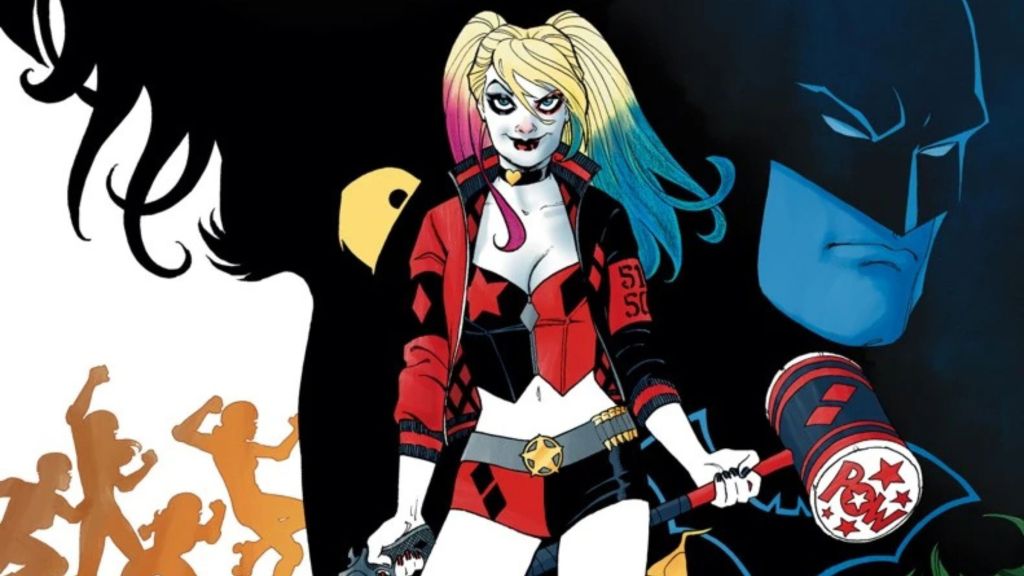
Debuting as the Joker’s partner in madness, Harley’s transformation into independence is one of DC’s finest character reconstructions. Her origin as a psychiatrist seduced by chaos made her tragic, but her eventual realization of abuse and self-delusion turned her toward reinvention. Gotham’s harlequin evolved from sidekick to survivor.
Her modern persona captures what liberation from manipulation looks like. Harley’s heroism comes from refusing to be defined by either Joker or the heroes she spars with. She acts on impulse yet often lands on the side of empathy.
2. Poison Ivy (Pamela Isley)

Initially, Pamela Isley was the quintessential eco-terrorist: brilliant, seductive, and consumed by vengeance against humanity’s exploitation of nature. Her early villainy reflected rage, but underneath it pulsed a legitimate cause twisted by trauma and isolation. Ivy represented the planet’s rebellion in human form.
Gradually, her motivations found discipline rather than chaos. Modern comics paint her as an environmental protector rather than a destroyer, with a renewed sense of partnership alongside heroes. Her brand of redemption demands that justice extend beyond human arrogance.
1. The Red Hood (Jason Todd)
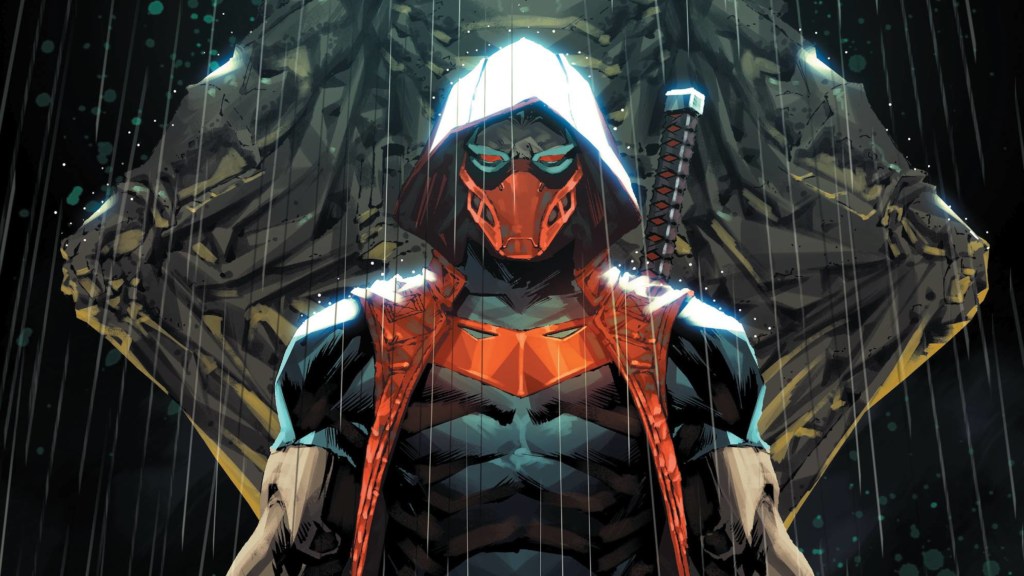
Jason Todd’s resurrection changed Batman’s world irreversibly. Once the second Robin, Jason’s death at Joker’s hands birthed a fury that rebuked the Batman’s no-kill creed. His return as Red Hood began as vengeance, relentlessly hunting criminals and branding Gotham with his own justice. To the Bat-Family, he was a fallen brother; to the city’s underworld, a living nightmare. Jason’s embrace of lethal pragmatism remains controversial, but his intent — protecting the innocent by any means — exposes the hypocrisy within superhero morality.
What do you think? Leave a comment below and join the conversation now in the ComicBook Forum!
Most Viewed
-

Image Courtesy of Amazon MGM Studios -

Image courtesy of Marvel Studios -

Image courtesy of PerBlue