Detective stories in DC Comics thrive on curiosity more than, well, capes and punches. The joy comes from watching heroes trade quick brawls for slow realizations, piecing together crimes in places where truth never stays clean for long. Solving the crime is never just about catching the culprit.
Videos by ComicBook.com
It’s about revealing who the investigator becomes in the process. Whether it’s uncovering corruption, tracking invisible threats, or chasing ghosts from their own past, these detectives show readers that truth isn’t bright or noble.
10. “The Long Halloween”
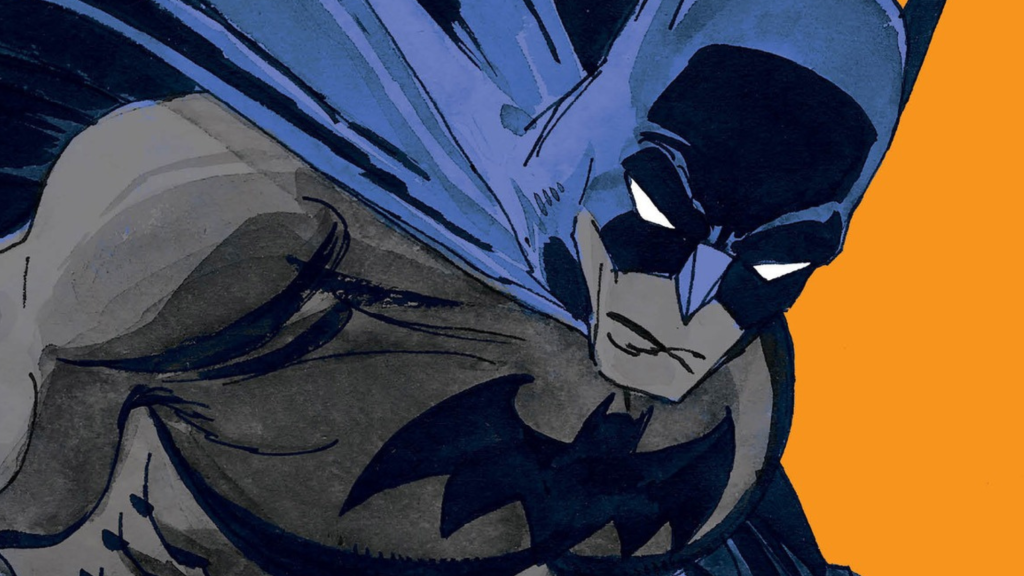
Jeph Loeb and Tim Sale crafted a noir epic where Gotham’s shadows hide a killer who strikes on holidays. Batman’s pursuit of the Holiday Killer pits him against both mobsters and future rogues, testing his detective instincts like never before. Every clue drips with uncertainty, and every ally could be a suspect.
The beauty of The Long Halloween lies in its slow-burn elegance. It’s both a riddle-filled manhunt and a study of Gotham’s crumbling morality. The investigation threads through corruption, family legacy, and obsession, showing that deduction sometimes reveals heartbreak rather than triumph.
9. “Identity Crisis”
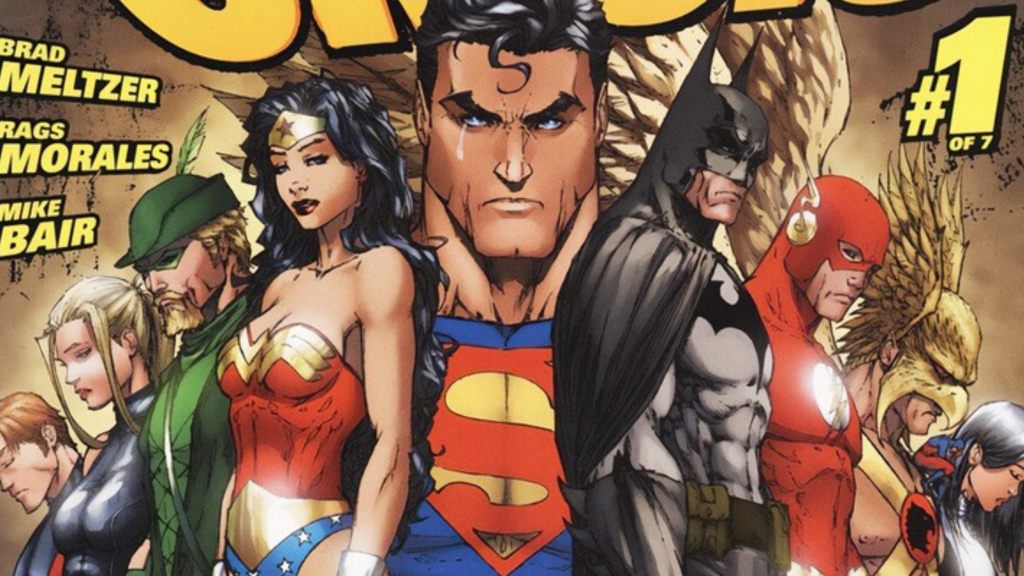
Brad Meltzer’s Identity Crisis dismantles the concept of superhero trust through a harrowing murder mystery. When Sue Dibny, the wife of the Elongated Man, is found murdered, the Justice League spirals into paranoia. Secrets unravel as the world’s greatest heroes reveal moral compromises hidden beneath their spotless images. Rags Morales’s artwork supports Meltzer’s intricate storytelling, making this one of DC’s most psychologically layered mysteries.
8. “The Human Target”

Christopher Chance, the Human Target, spends his life impersonating others to save them from assassination. King takes this premise and folds it into a slow, stylish murder mystery involving the Justice League International. Each issue feels like a cocktail of deceit, charm, and danger.
King constructs a puzzle wrapped in noir aesthetics. Smallwood’s retro artwork deepens the deception—every smile seems suspect, every confession rehearsed. Beneath its surface elegance lies one of DC’s most intricate investigations about mortality and identity.
7. “Gotham Central”
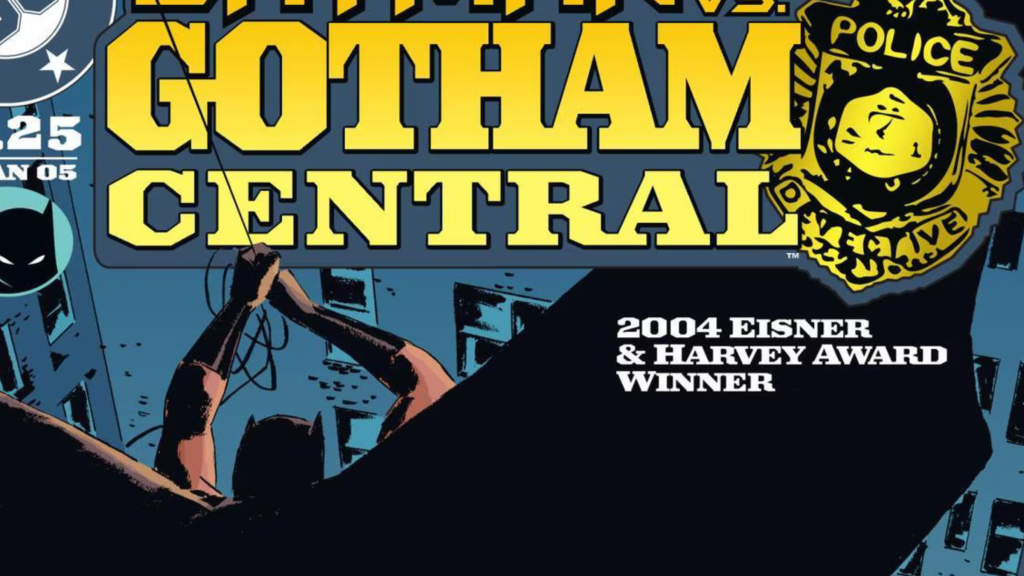
Ed Brubaker and Greg Rucka’s Gotham Central removes Batman from the spotlight to show how real detectives survive in his city. The Major Crimes Unit investigates ordinary crimes in an extraordinary place, where supervillains lurk and vigilantes steal the headlines.
The series thrives on realism and tension. Detectives like Renee Montoya and Crispus Allen balance bureaucracy with bravery, using deduction rather than gadgets. Gotham Central proves that Gotham’s true spine lies not in its caped protector but in the ordinary brilliance of its crime solvers.
6. “The Black Mirror”
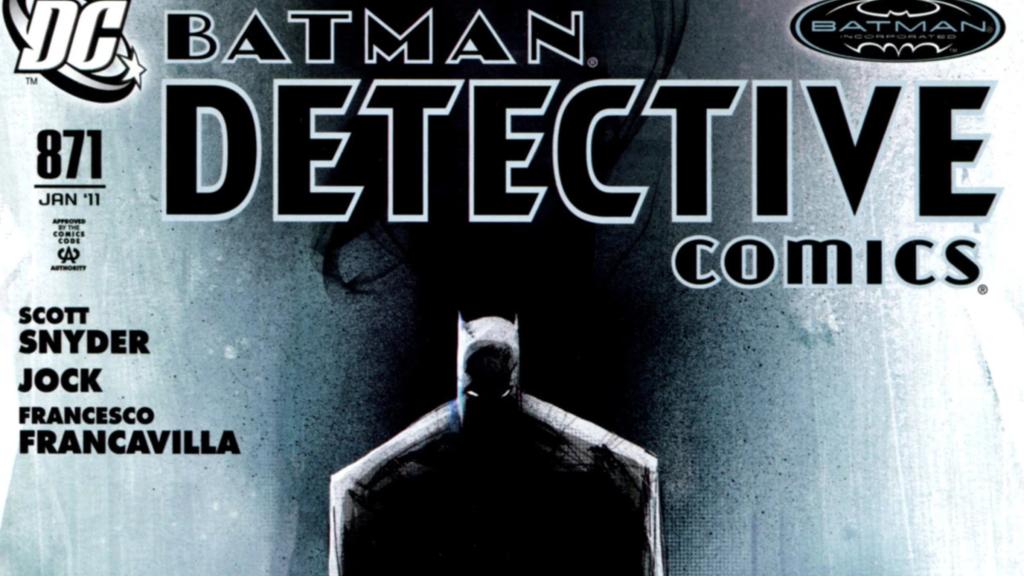
Scott Snyder and Jock’s The Black Mirror transforms Gotham into a psychological labyrinth. Dick Grayson’s tenure under the cowl forces him to face crimes twisting from the city’s cursed soul. The story’s core mystery circles around a black-market auction selling dangerous relics from supervillains.
Every revelation cuts deep into Gotham’s anatomy. The detective work doesn’t only trace evidence but also explores moral decay and legacy. Snyder’s writing blends gothic horror with investigative skill, making this one of the finest modern Batman detective tales.
5. “The Question: Zen and Violence”

Dennis O’Neil reinvented The Question, turning him into DC’s most philosophical detective. Vic Sage’s pursuit of truth becomes both physical and metaphysical, chasing corruption through city politics while questioning the very nature of morality.
The story balances street-level grime with introspection. O’Neil’s script challenges the meaning of justice when logic fails. The Question’s deduction style feels raw, detached from heroism yet obsessed with understanding a world unwilling to make sense.
4.“Hush”
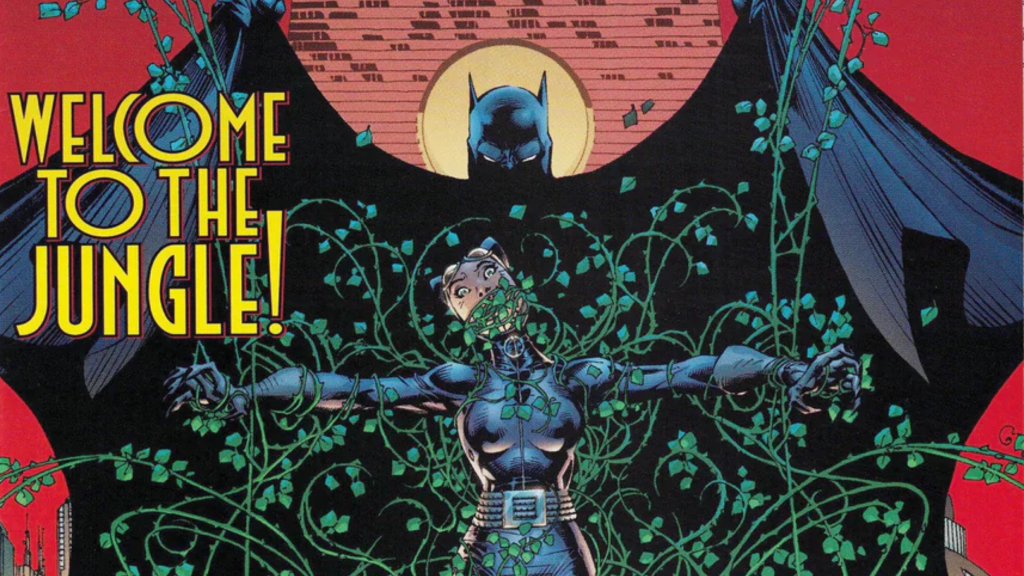
Jim Lee’s dynamic art elevates Loeb’s intricate mystery where a mysterious figure manipulates Batman’s entire rogue gallery. The tone blends grand spectacle with methodical deduction.
Beneath the blockbuster surface lies a clever whodunit. The pacing, plotting, and eventual revelation of Hush’s identity showcase narrative control and showmanship. It’s equal parts emotional trap and investigative chess match.
3. “52”
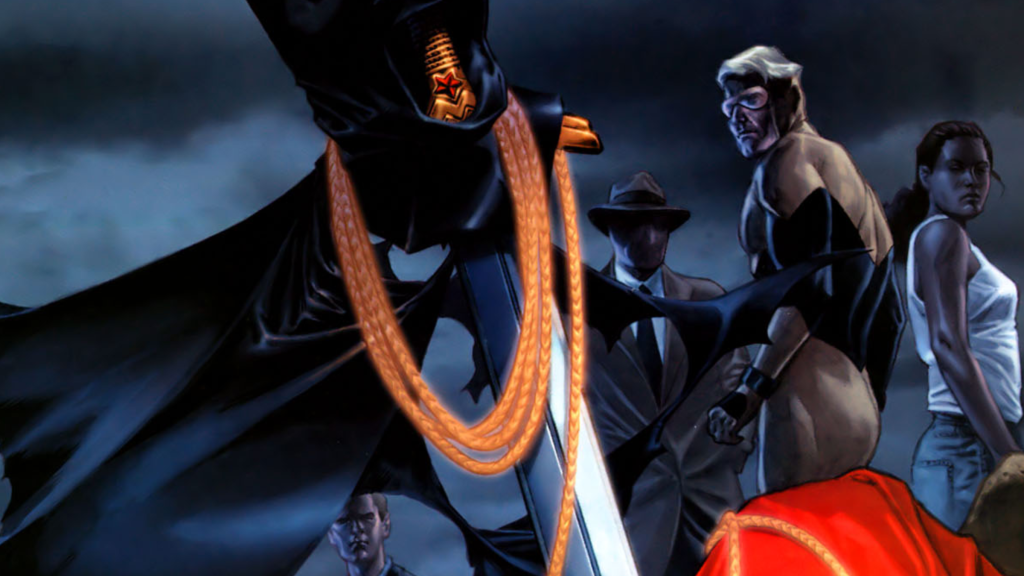
Across fifty-two weekly issues, 52 juggles sprawling storylines that reimagine detective fiction through multiple lenses. Among the central threads, Ralph Dibny’s quest to uncover the secret behind his wife’s death becomes a tragic, spiritual odyssey in logic and loss.
Ralph’s storyline mirrors a cold-case investigation that transcends reality itself. His obsession with solving an unwinnable puzzle reveals the cost of intellect without closure. 52 earns its place here for transforming detective work into a cosmic meditation.
2. “Watchmen”
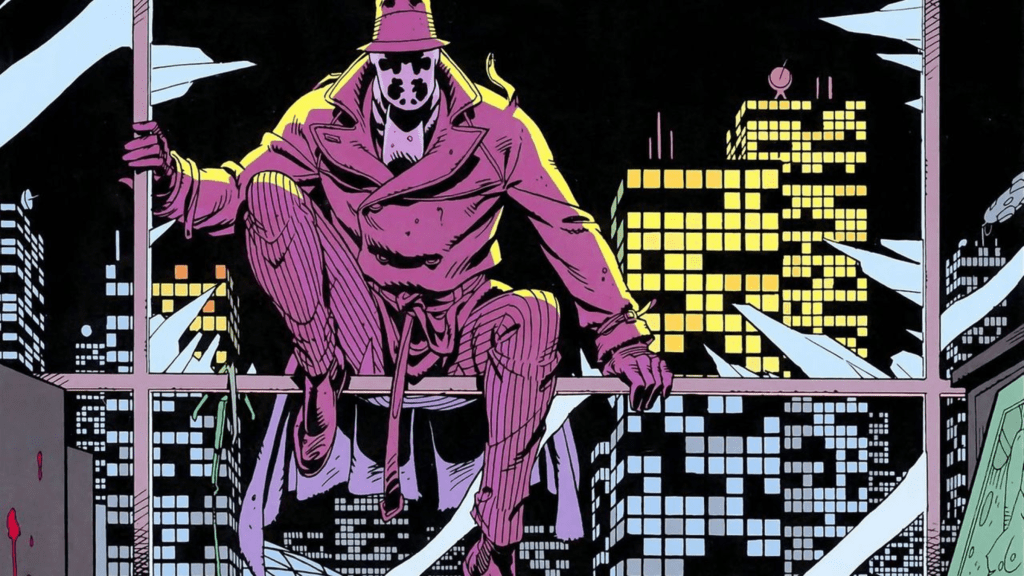
Alan Moore and Dave Gibbons delivered an intricate narrative that operates as a murder mystery wrapped in political allegory. Rorschach’s investigation into a hero’s death becomes the key that unravels a world built on violence and lies. Every visual panel doubles as evidence in an unsolvable case. The story redefines what superhero detectives can be. The clues are embedded in dialogue, layout, and symmetry. Watchmen remains unmatched in the unsettling clarity of its conclusion.
1. “The Case of the Chemical Syndicate”

The first Batman story still stands as the cornerstone of detective storytelling in comics. It introduces a vigilante with the mind of a sleuth and the instincts of a predator, solving a murderous corporate conspiracy. Its economy of storytelling belies its depth. Everything that defines DC’s detective tradition began here. The story’s simplicity proves that mystery in its purest form needs clarity.
What do you think? Leave a comment below and join the conversation now in the ComicBook Forum!
Most Viewed
-

Images Courtesy of DC Comics