DC Comics has put out some of the most iconic, groundbreaking comics of all time. The publisher has a certain reputation compared to their marvelous competition; Marvel is often thought of as the groundbreaking one but any DC fans knows that the House of Ideas wishes its books had the impact on comics as an art form that DC’s have. Over the years, the best comics of all time have had those familiar letters on the cover, giving readers stories that changed the comic industry. The company has taken some big swings over the years, and the house that Superman and Batman built has a sterling reputation with critics.
Videos by ComicBook.com
Some classics have aged like fine wine and have been passed down by fans like holy writ. However, not all of them have been able to survive the passage of time; some of them haven’t kept their freshness. These ten iconic DC stories have aged like milk, going from beloved books to cautionary tales.
10) Batman: The Killing Joke
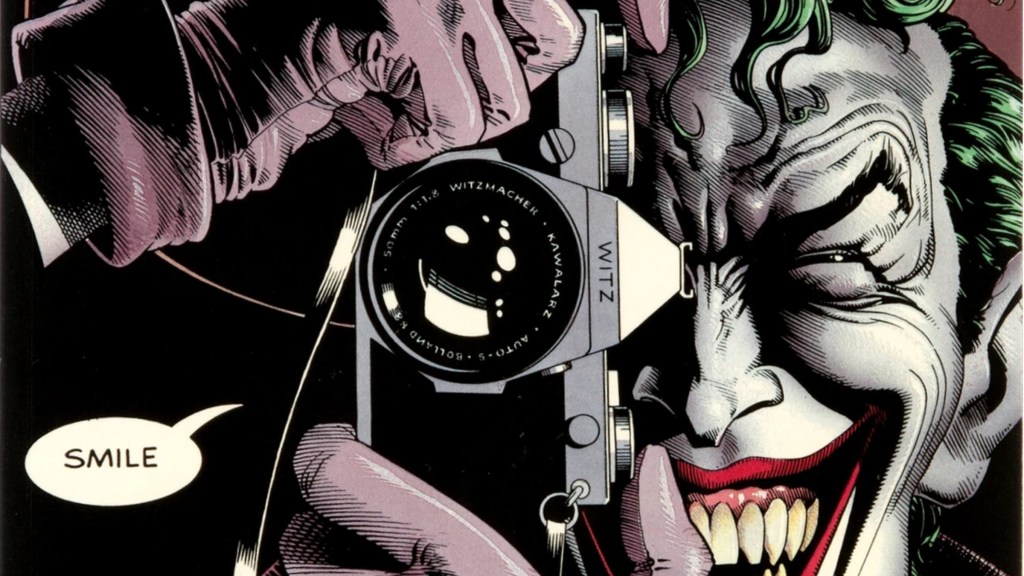
I’m not going to mince words: Batman: The Killing Joke is wildly overrated. Alan Moore and Brian Bolland’s classic about one of the worst days in Batman’s battle against the Joker has long been a favorite of fans, but reading it nowadays reveals what is mostly a standard Batman story made better by Moore’s style and Bolland’s fantastic pencils. Moore hates the book, regretting ever writing it and there’s something to that. The Joker is better as a complete mystery and the disrespect with which the book treats Barbara Gordon is despicable. This book is of its time in the worst way possible.
9) Wonder Woman (Vol. 4) #1-35

Wonder Woman is often the forgotten member of the Trinity, not getting the attention that Superman and Batman do. However, back when the New 52 started, it felt like that had changed. DC put Brian Azzarello and Cliff Chiang on Wondie’s book, trying to redefine her origin for the new universe. Wonder Woman (Vol. 4) surprised readers by making Diana the daughter of Zeus and revealing that the Amazons were pirates who sexually assaulted ships full of men in order to get pregnant and then put them to the sword. This book was popular back in the day, but nowadays, everyone hates the changes made to the champion of Themyscira. It was endemic of the problems the New 52 would cause for the original superheroine.
8) The Dark Knight Returns
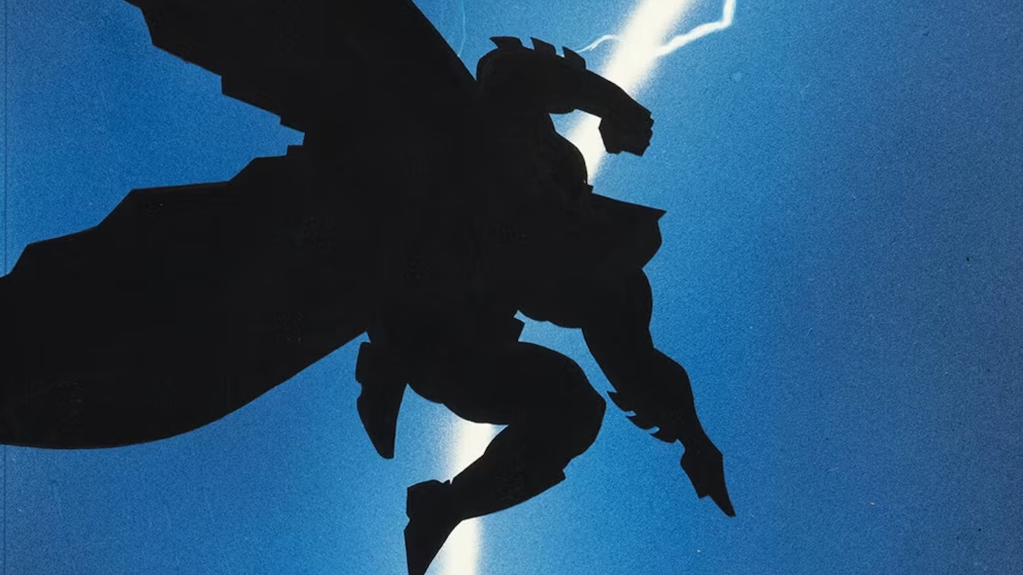
The Dark Knight Returns is a legendary story. It’s one of the books that helped spur the maturation of the comic medium in 1986, and was Frank Miller’s ultimate interpretation of the Dark Knight. It’s a classic that everyone has read, but it doesn’t really hold up all that well. Miller’s disrespect for everyone but Batman is palpable and he creates a much more fascistic version of the Caped Crusader. Honestly, I think one of the problems with the book is that it’s become old hat; everyone has read it and praised it so much, that we’ve reached a point where it’s become easier to see the flaws in the story because we’re not used to looking for them.
7) Man of Steel
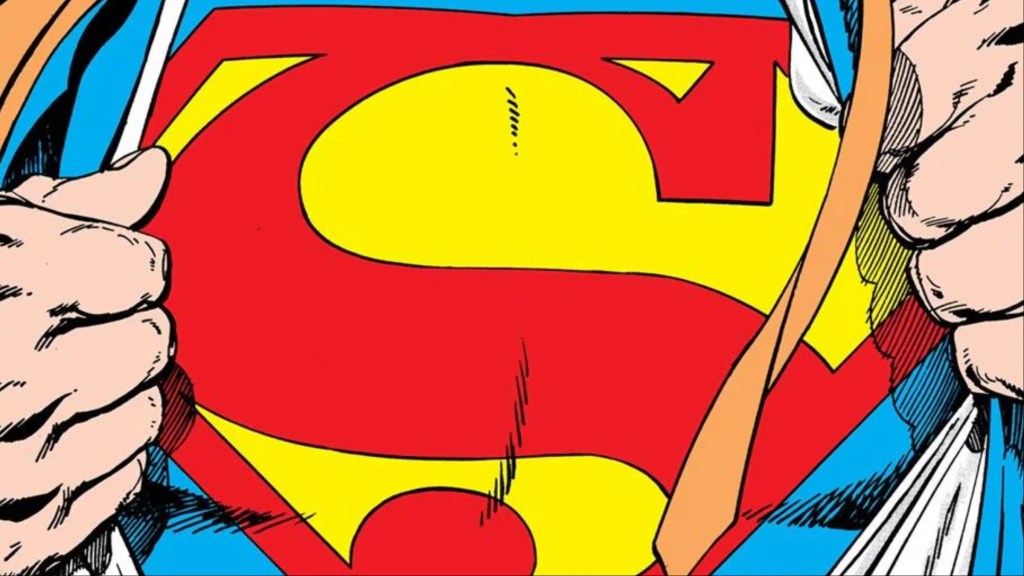
Crisis on Infinite Earths changed everything, starting with Superman. DC handed the character to John Byrne, who was given carte blanche to recreate the hero from the ground up. He began this process with Man of Steel. Suddenly, Krypton was a cold, loveless world, Kal-El was born on Earth and became the most American person you can imagine. It was the Reagan-zation of the Last Son of Krypton, and while it was popular at the time, fans hate it nowadays. Byrne took away so much of what made the character great and replaced it with conservatism. It’s ’80s as can be, and that’s not a good thing in this case.
6) Justice League (Vol. 2)
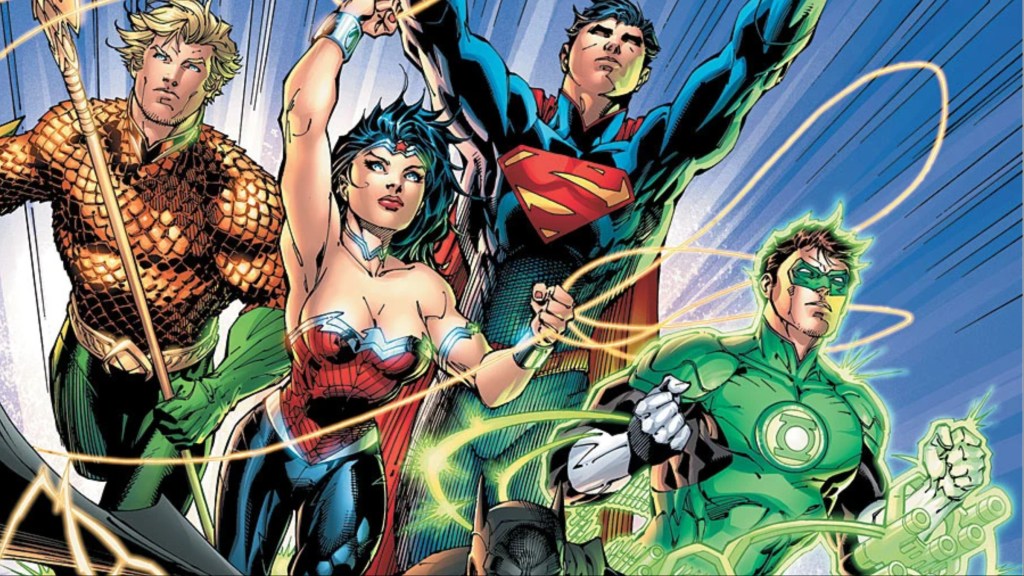
The New 52 was built around Justice League (Vol. 2). The book, launched by Geoff Johns and Jim Lee, was the flagship book of the line, starting with the origin of the team and the superhero community in its opening story and moving on from there. Fans expected big things from the book, and what they mostly got was perfectly serviceable League stories set in a universe that fans were quickly falling out of love with. However, going back and reading it shows that it’s honestly a bit worse than it was back then. It’s easy to forget all the baffling decisions DC made in the New 52 and reading this book brings them all back to the surface.
5) DC Rebirth #1
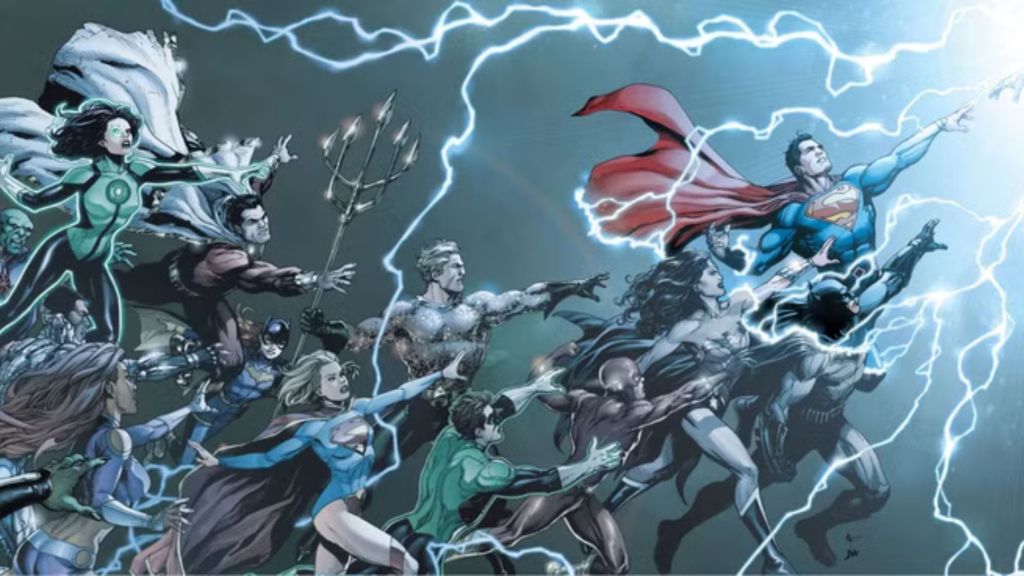
DC Rebirth #1 was the change DC needed in 2016. The New 52 had completely fizzled out and fans wanted what they had back. This 80-page book (that was only $2.99; Marvel’s attempt to copy it in 2017 was $5.99 for 57) by Geoff Johns, Gary Frank, Ivan Reis, Ethan Van Sciver, and Phil Jimenez laid the seeds for the return of the pre-Flashpoint DC Universe and Doomsday Clock in one fell swoop. It was a massive hit and spurred on the publisher’s success with the Rebirth relaunch. The book was hype as all get out, but time has invalidated so much of it because we know where it was all going. It’s a disappointing book nowadays, and that’s a tragedy for those of us who once loved it.
4) The History of the DC Universe
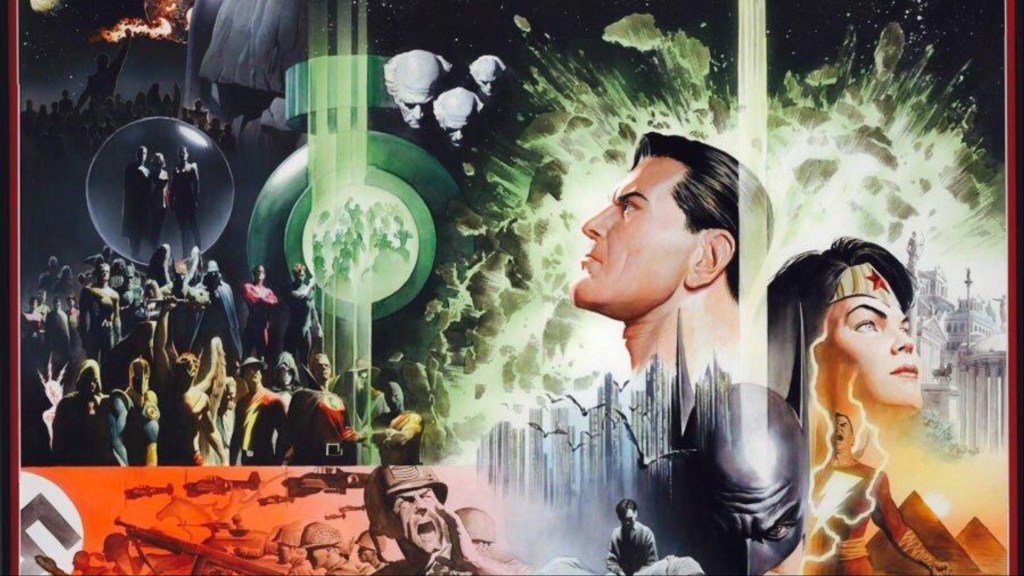
Crisis on Infinite Earths was the beginning of DC trying to get readers interested again. The resulting reboot modernized everyone, but it left readers with a lot of questions about how exactly everything had worked. So, the Crisis team of Marv Wolfman and George Perez teamed up for The History of the DC Universe, which told the history of the newly singular Earth. This is a fantastic comic, and great for any fan of the company and post-Crisis DC, but it’s not canon anymore. There’s really no needs to read this book at all anymore other than idle curiosity; just pick up The New History of the DC Universe instead.
3) Flashpoint
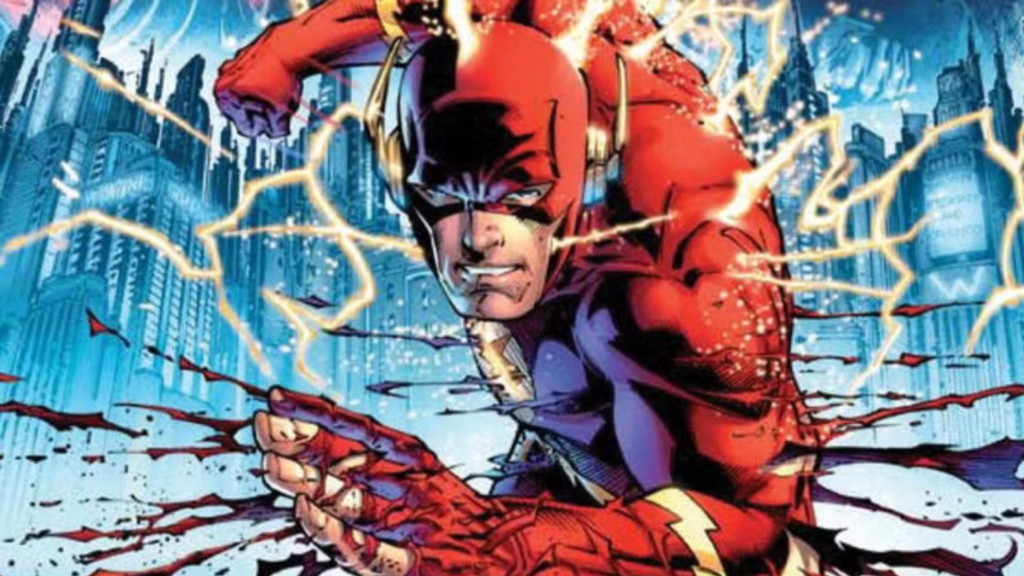
The New 52 was a huge failure for a lot of reasons, and it all started with Flashpoint. DC had teased the story at the end of The Flash: Rebirth, and the story we got didn’t really match what we saw there. This five-issue event book from Geoff Johns and Andy Kubert saw the Flash wake up in a world without powers, one that was very different from the one knew. Teaming up with a new Batman, he tries to figure out what happened and how to change things back. The art is gorgeous, but this story is basically just standard grimdark alternate universe fare, with a twist ending that is somewhat interesting but actually makes Barry the villain. It’s something of a mess and knowing what it birthed makes reading it a different experience.
2) Legends
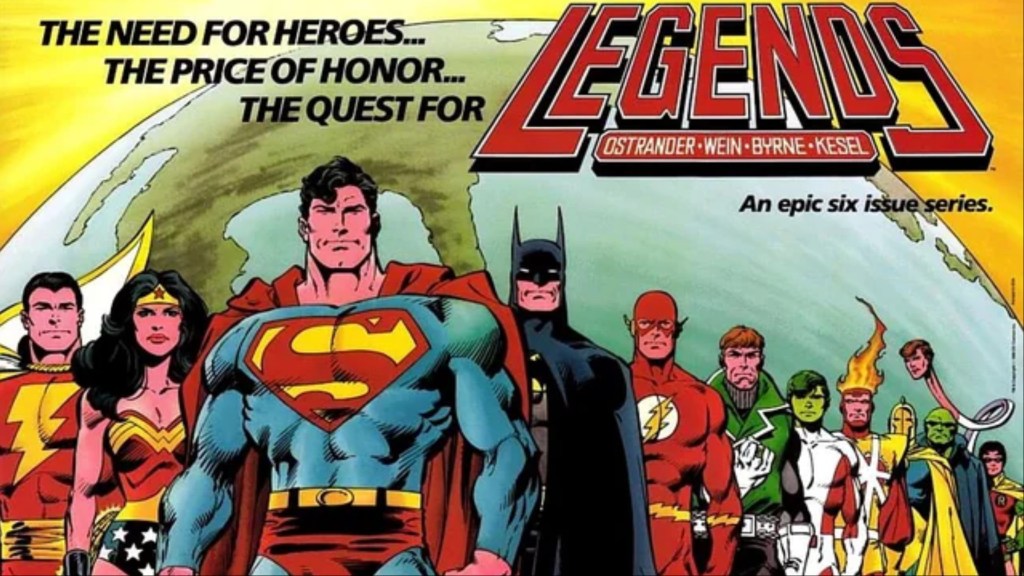
Legends, by John Ostrander, Len Wein, and John Byrne, was meant to be a primer for the new DC Universe after Crisis (I promise I love the post-Crisis DC Universe, but there were. a lot of early mistakes). The six-issue event series saw Darkseid send a minion to Earth to destroy everything and dealt with the various heroes coming together for the first time. It led into Justice League (Vol. 1), which would turn into Justice League International, and Suicide Squad, as well as Wonder Woman (Vol. 2). However, that’s sort of the problem. The book was meant to make you want to go out and pick up various new books; you’d read an issue of it and then go buy some tie-in book. This means that reading it on its own is a pretty unfulfilling experience; it only feels like half a story.
1) Identity Crisis
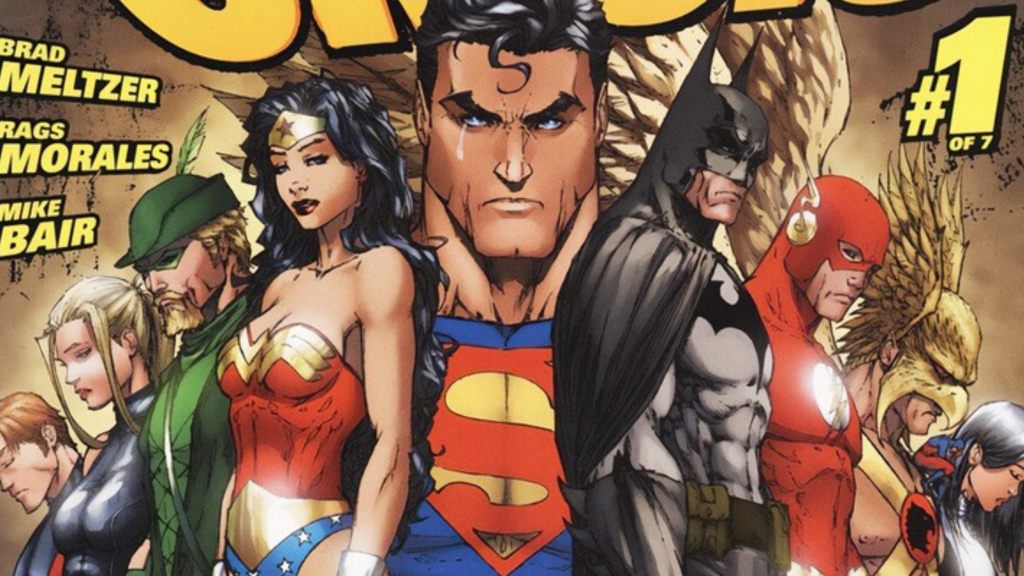
Identity Crisis, by Brad Meltzer and Rags Morales, has an important place in ’00s DC history. The book is part of the build-up to Infinite Crisis; if you miss it, you won’t understand a pretty major part of the story having to do with the JLA. However, fans have turned on it because of its treatment of Sue Dibny, first murdering her (and revealing she was pregnant) and then revealing that she was sexually assaulted back in the Satellite League days. This led to the reveal of the Justice League mindwipes, an important plot point that would lead to the dissolution of the team when it was revealed in JLA. The mindwipes are a great idea and make this is a somewhat cool story, but the way it dealt with Sue Dibney means that it will never be a book that fans warm up to ever again.
What DC books do you think haven’t aged well? Leave a comment in the comment section below and join the conversation on the ComicBook Forums!
More Comics
-
Image Courtesy of Marvel Comics -
Image Courtesy of Marvel -
Image Courtesy of Marvel Comics -
Image Courtesy of Marvel Comics -
Image Courtesy of Marvel Comics -

Image courtesy of DC Comics -
Image Courtesy of Marvel Comics