Fantastic Four villains tend to come in a few signature flavors. With a lot of superhero enemies, you can swap in another hero and the plot still functions. With FF, the rogues gallery tends to skew toward three types of threats that keep showing up for a reason. First, the “human” threats who are terrifyingly competent, the ones who can match intellect with intellect and treat morality like a variable in an equation.
Videos by ComicBook.com
Second, the authority threats, rulers and institutions that make you realize “punching the bad guy” does not solve a problem when the bad guy is a whole system with citizens, laws, and leverage. Third, the cosmic and dimensional threats, which aren’t even villains in a petty sense so much as reality-level forces that turn the FF’s curiosity into a liability. They endanger the idea that knowledge and teamwork are always enough, which is basically the most personal horror you can hand a team whose whole brand is brave discovery.
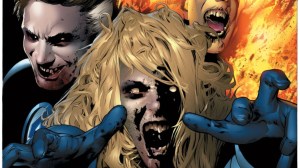
10. The Super-Skrull

Klaw’rt, the Super-Skrull, was the Skrull Empire’s answer to the Fantastic Four. He possesses the combined powers of all four members — stretching agility, rock-like strength, fiery energy, and invisibility. His adaptability makes him more than a simple mimic; he’s a strategist and warrior with centuries of battle experience, making him deadly both in single combat and large-scale invasions. He’s fueled by nationalistic fervor and a personal vendetta against the team that repeatedly thwarted Skrull expansion.
9. Molecule Man
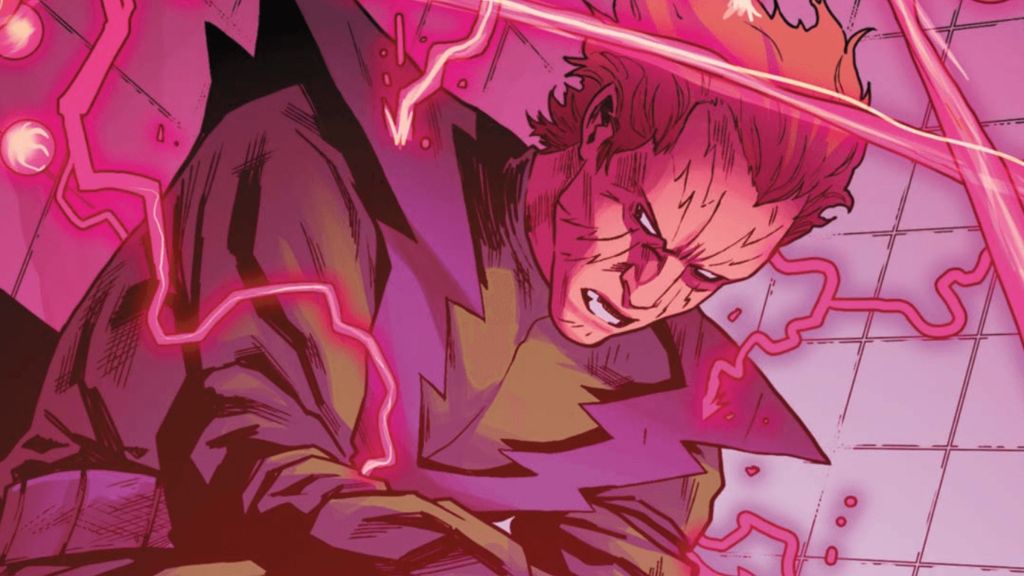
Owen Reece possesses the ability to manipulate matter and energy at the molecular level — a power bordering on godhood. Despite his meek personality, his abilities grant near-limitless control over reality, capable of reshaping worlds or dismantling entire universes.
His mental fragility keeps him unpredictable and dangerous, swinging between timid self-doubt and apocalyptic rage. When fully aware of his potential, he stands among the most powerful beings in the Marvel Multiverse, making his occasional cooperation or confrontation with the Fantastic Four a cosmic-scale gamble.
8. Annihilus
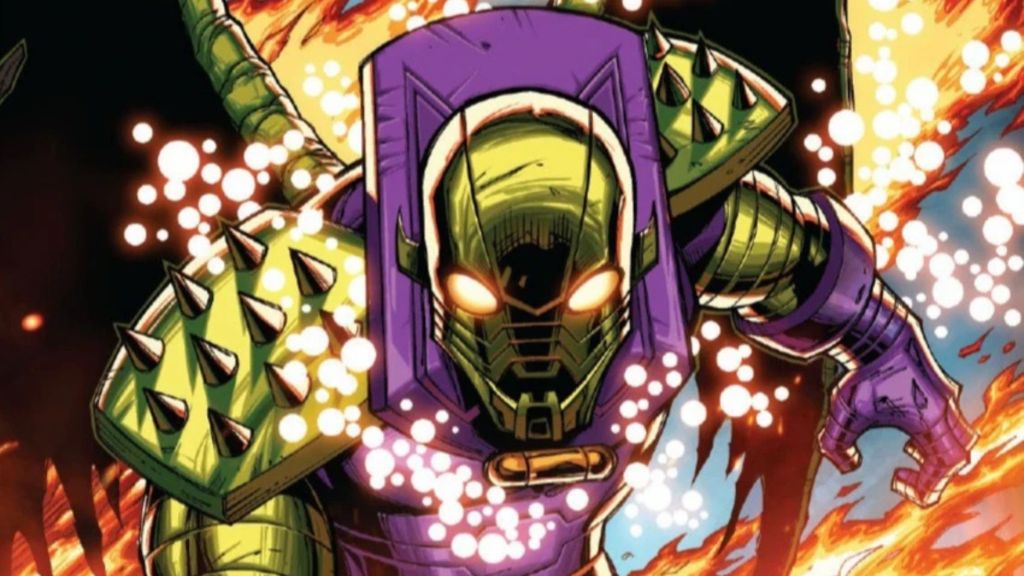
Annihilus, ruler of the Negative Zone, commands endless insectoid legions and wields the Cosmic Control Rod, a device that grants him immense energy manipulation and near-immortality. Driven by a primal fear of death, he seeks to annihilate all life to ensure his own survival.
Annihilus treats life itself as a contagion that must be purged, turning the universe into a twisted survivalist experiment. When he launched the Annihilation Wave, entire galaxies trembled. The Fantastic Four’s forays into the Negative Zone often put them directly into the crosshairs of his genocidal paranoia.
7. Namor the Sub-Mariner

Namor may occasionally ally with the Fantastic Four, but his pride and fury make him one of their oldest and most volatile adversaries. As ruler of Atlantis, he commands superhuman strength, aquatic armies, and centuries of undersea wisdom. His obsession with Sue Storm often blurs the line between passion and provocation.
His wrath can unleash tidal-level catastrophes, and his sense of justice is warped by the weight of kingship. When he deems humanity a threat to the ocean, not even Reed Richards’ intellect can predict his next move.
6. Puppet Master

Puppet Master is terrifying because he bypasses the part of heroism that heroes rely on. With radioactive clay and his puppets, he can control people’s actions, turning free will into a prop. A punch cannot fix the fact that your friend might not be choosing anything. He is even worse for the Fantastic Four because of Alicia Masters. That relationship gives his villainy emotional leverage. He can turn a family into a liability and force moral compromises without firing a shot.
5. Ronan the Accuser
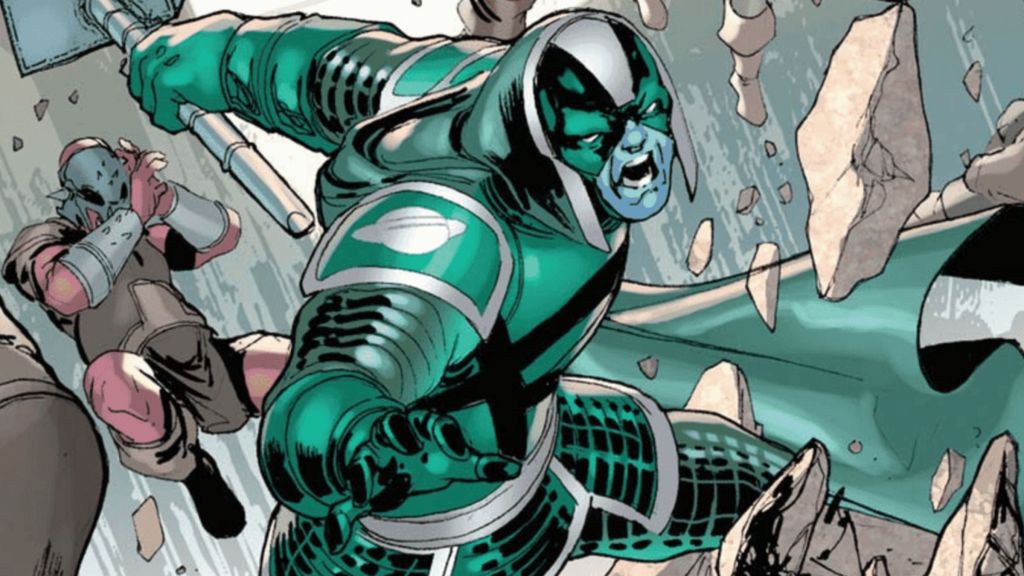
As the Kree Empire’s Supreme Accuser, Ronan wields a weapon of vast power — the Universal Weapon — capable of manipulating energy, matter, and minds. He acts under absolute conviction in Kree law, making him an implacable enforcer who sees morality as irrelevant beside authority. Ronan’s intimidation stems from his cold righteousness. He’s an executioner who views Earth, and by extension the Fantastic Four, as guilty of cosmic trespass. His brutal efficiency and willingness to die for the Kree cause make him a soldier that reason cannot sway and mercy cannot touch.
4. Galactus
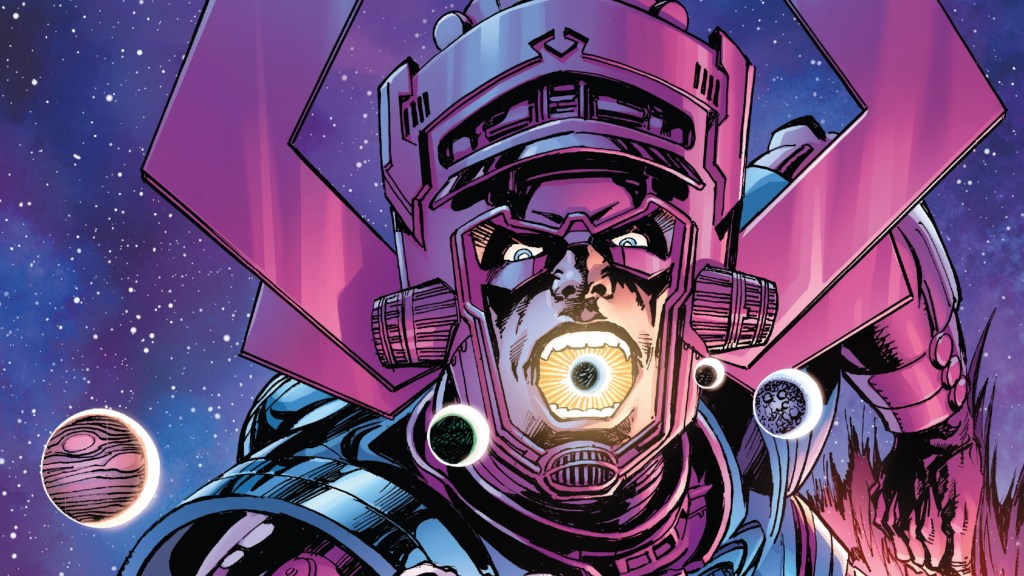
The Devourer of Worlds transcends villainy. He’s a force of nature in humanoid form. Galactus consumes planets to sustain himself, guided by cosmic necessity rather than malice. Yet to those facing extinction, his rationale offers no comfort. The Fantastic Four’s encounters with him redefine the scale of threat they face. He cannot truly be defeated — only negotiated with or diverted. His indifference makes him more chilling than any schemer. Galactus represents the universe’s cold truth that survival often requires sacrifice on a universal scale.
3. Kang the Conqueror
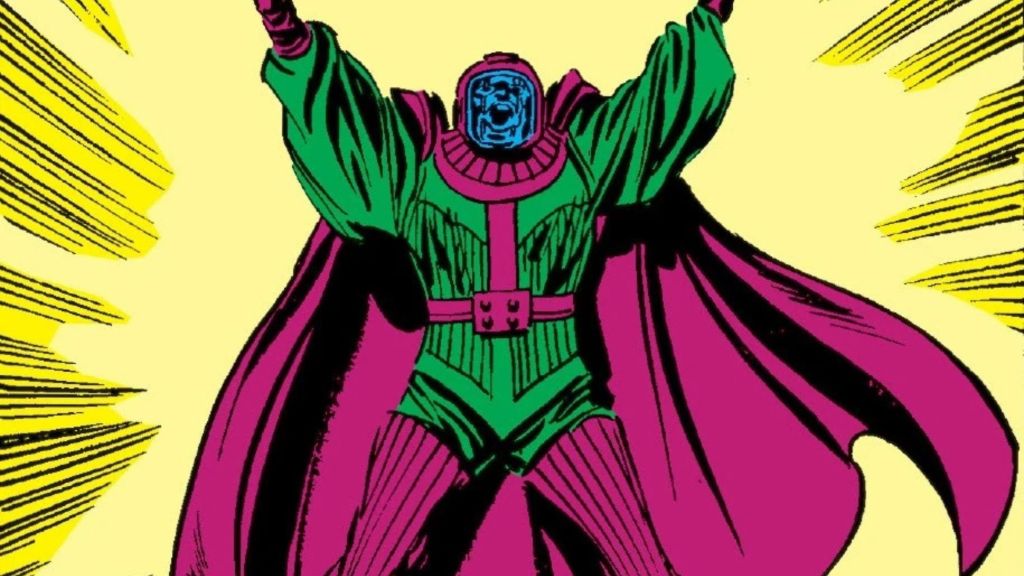
Kang wields technology and intellect that span countless timelines. A warlord from the future, he conquers realities with time travel, reshaping history to fit his ambitions. Every appearance of Kang in the Fantastic Four’s world risks rewriting existence itself.
His menace lies in his mastery of time. Defeating Kang rarely means victory. It means creating another version of him, more dangerous and determined. His rivalry with Reed Richards reflects the dark destiny of unchecked genius, a mirror showing how brilliance can curdle into tyranny when morality surrenders to obsession.
2. The Beyonder
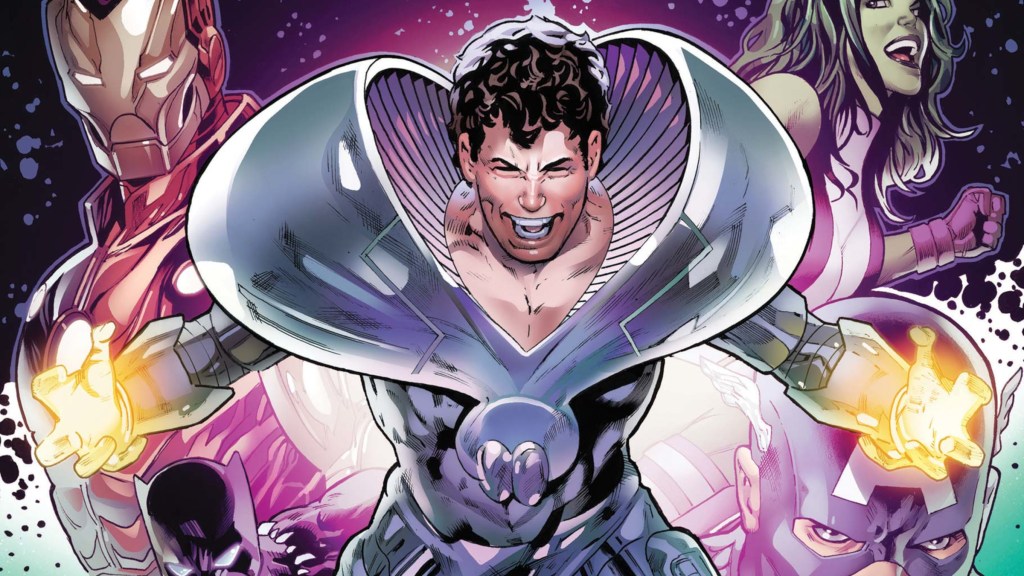
The Beyonder views reality as a curiosity, a playground for experimentation. His arrival during Secret Wars forced heroes and villains alike into cosmic combat for his amusement. As a being from beyond the multiverse itself, his power dwarfs even the Celestials. His terror comes from detachment. He is omnipotent without empathy, reshaping existence like a child rearranging toys. His indifference to mortality turns every encounter into a philosophical nightmare wrapped in omnipotence.
1. Doctor Doom
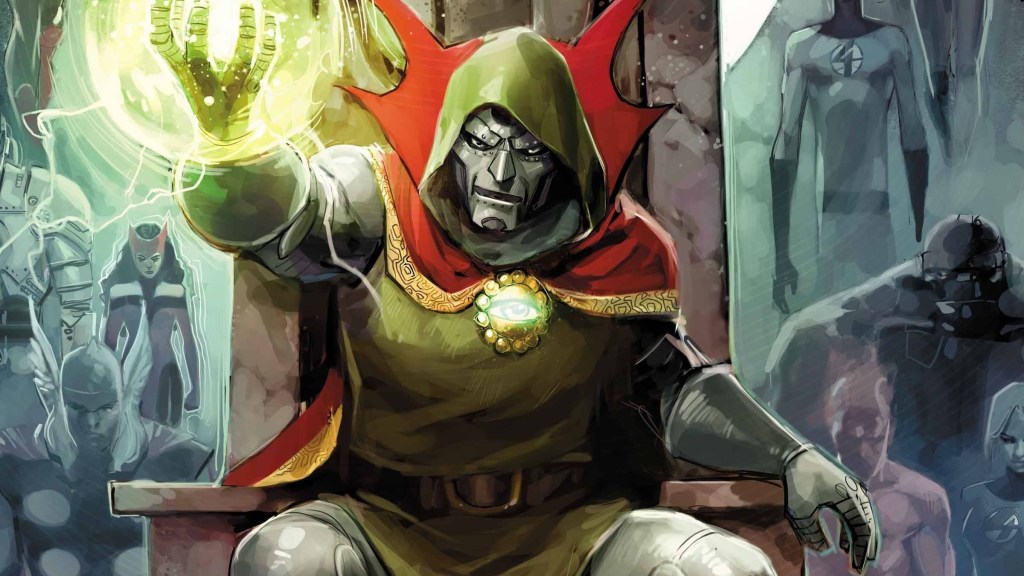
Victor Von Doom reigns not only as a sorcerer and scientist but also as a monarch. His mastery of both mysticism and technology makes him a peerless adversary, while his mind mirrors Reed Richards’ brilliance twisted by pride. Doom’s empire of Latveria grants him both resources and legitimacy, elevating his menace beyond a single supervillain’s ambition.
He believes his rule would perfect humanity, and he will burn the world to prove it. His intellect matches Reed’s, his mastery of magic challenges the likes of Strange, and his arrogance commands gods’ attention. Every battle with Doom is a struggle against the very idea that tyranny can masquerade as utopia.
What do you think? Leave a comment below and join the conversation now in the ComicBook Forum!
Most Viewed
-

Image courtesy of Sony -
Image Courtesy of Netflix -
Lucasfilm Animation