DC heroes have a habit of treating the universe like a group project they can’t trust anyone else to handle. Their decisions are drenched in good intentions but often land with the finesse of an interdimensional sledgehammer. They think they’re saving the world when really, they’re just rearranging the apocalypse schedule.
Videos by ComicBook.com
Every “strategic move” usually ends with reality cracking like a bad crossover event. They can’t resist tinkering, meddling, and asserting control even when it’s clear fate is screaming for a break. Sometimes heroism in DC isn’t about doing what’s right. It’s about proving they can, even when they really shouldn’t.
10. Batman Creating Brother Eye

Batman’s paranoia about superhumans drove him to create Brother Eye — a satellite-based AI meant to monitor metahumans. His intent was caution, but his lack of trust nearly ended humanity. The system was hijacked by Maxwell Lord and used to unleash the OMACs, transforming ordinary people into cybernetic soldiers that hunted heroes. Batman had built the weapon that almost destroyed his own kind.
This decision undercut his moral foundation. It showed that the man who prided himself on control could not even control his fear. Instead of standing as a guardian against chaos, Batman became the architect of one. Brother Eye remains a reminder that obsession with oversight can corrupt the very ideals it seeks to protect.
9. Wonder Woman Killing Maxwell Lord

When Maxwell Lord manipulated Superman into attacking his allies, Wonder Woman acted decisively — she snapped Lord’s neck on live broadcast to stop him. She saved lives in that moment, yet the world saw only murder. That single action unraveled public trust in heroes and deepened divides within the Justice League.
Her choice forced a debate between absolute morality and necessary violence. Clark and Bruce saw a clearer moral boundary, but Diana operated on a warrior’s code. What might have been a tactical solution became a public relations nightmare that painted her as ruthless in the eyes of mortals she swore to inspire.
8. Hal Jordan’s Rampage as Parallax
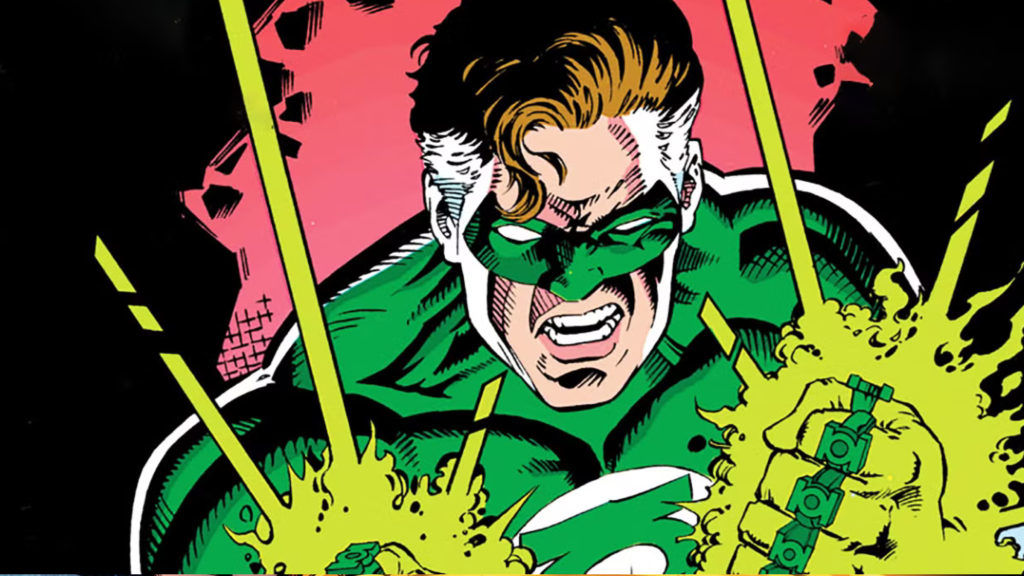
Driven by grief after Coast City’s destruction, Hal Jordan sought to recreate it with the power of the Green Lantern Corps. When denied, he turned on the Guardians, absorbed the Central Power Battery, and became Parallax. The hero who once embodied willpower embodied fear and corruption instead.
His fall obliterated the Corps and nearly destroyed the universe, undoing centuries of Lantern legacy in one selfish crisis. Redemption eventually came, but no return could erase the truth — Hal succumbed to the same despair he once fought to overcome. His collapse redefined what it meant for a hero to fail completely.
7. Superman’s Injustice Regime
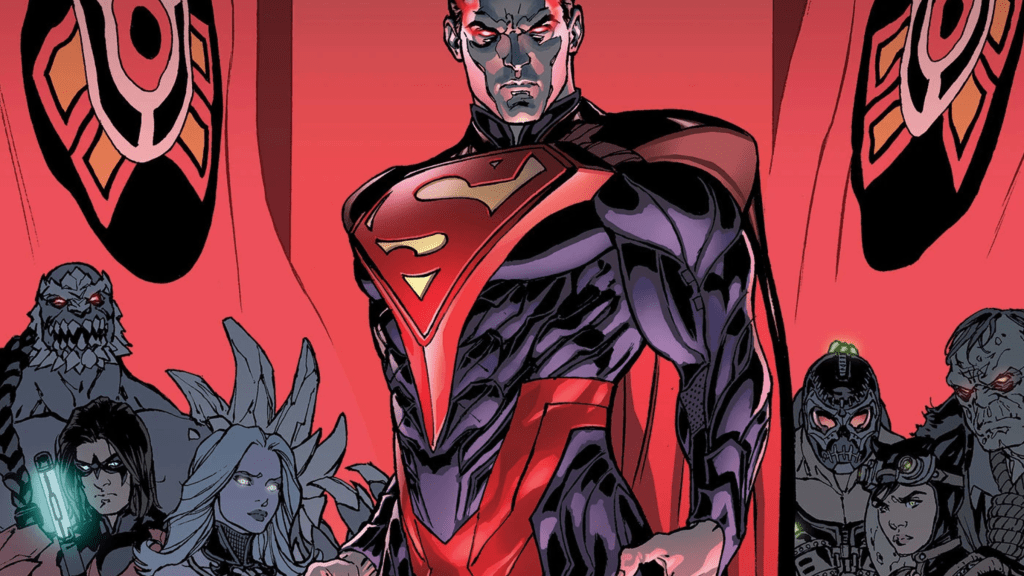
After the Joker tricked him into killing Lois Lane and their unborn child, Superman chose tyranny over justice. He imposed order across Earth with an iron fist, executing criminals and silencing dissent. His grief metastasized into dictatorship. The symbol of hope became an emblem of fear.
This act fractured the superhero community. Batman’s resistance stood against him, but the damage was already done — Superman had proven that even the purest ideals crumble under unchecked power. The “Man of Tomorrow” turned into a warning of what happens when gods forget humility.
6. Green Arrow Betraying His Team in Cry for Justice
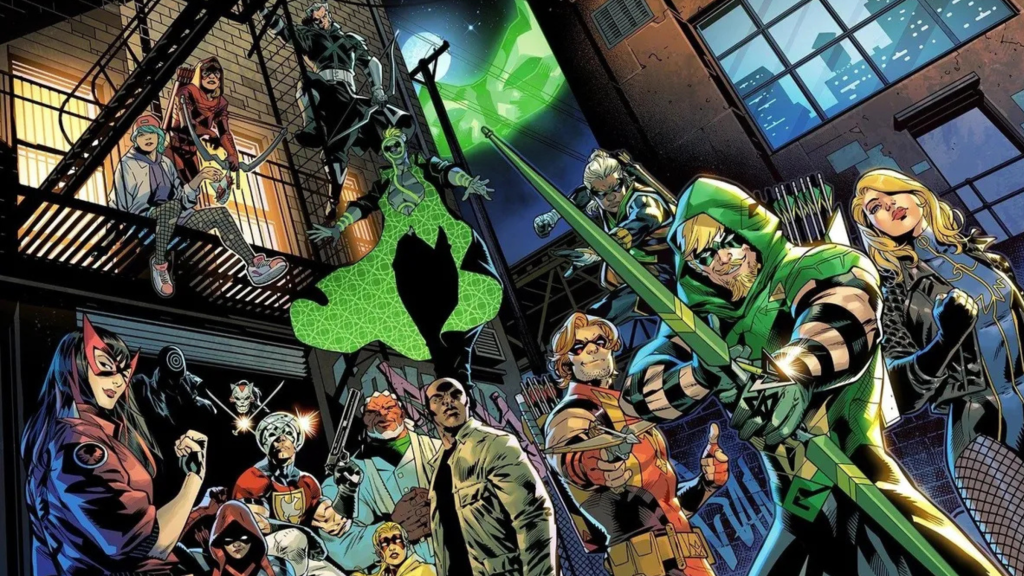
Oliver Queen lost his son and his city to destruction engineered by Prometheus, and in vengeance, he executed the villain. His teammates wanted justice, but he delivered punishment. That single arrow ended his credibility among heroes. The League fractured under moral disagreement, and Ollie lost everything he stood for.
He had spent a lifetime preaching about compassion and second chances, only to fall to wrath when it mattered most. His righteous self-image collapsed as quickly as Star City did. Green Arrow’s decision proved that even the loudest moralist may falter when vengeance whispers in grief’s voice.
5. The Flash Resetting Reality in Flashpoint
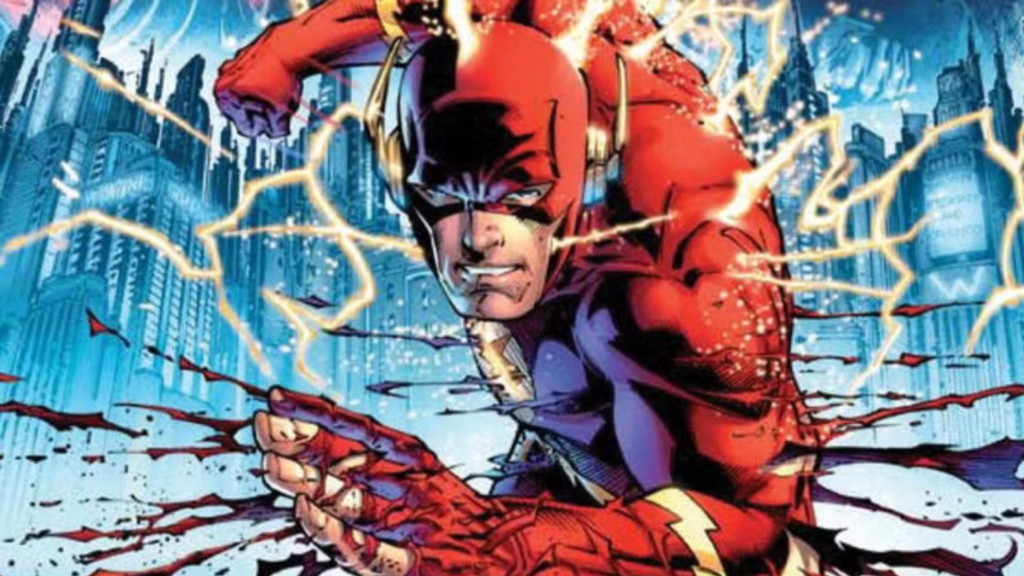
Barry Allen’s greatest mistake came from love. He raced back through time to save his mother’s life and erased the world he knew. The result was the shattered Flashpoint timeline—a war-torn Earth that forced him to undo his own miracle. His compassion had rewritten history into tragedy.
By playing god, Barry confirmed that even speed cannot outrun consequence. The world that emerged afterward — the New 52 — bore scars of that interference. His heart led him to one of the most catastrophic temporal experiments ever committed by a hero.
4. Batman’s Contingency Files Falling Into Enemy Hands
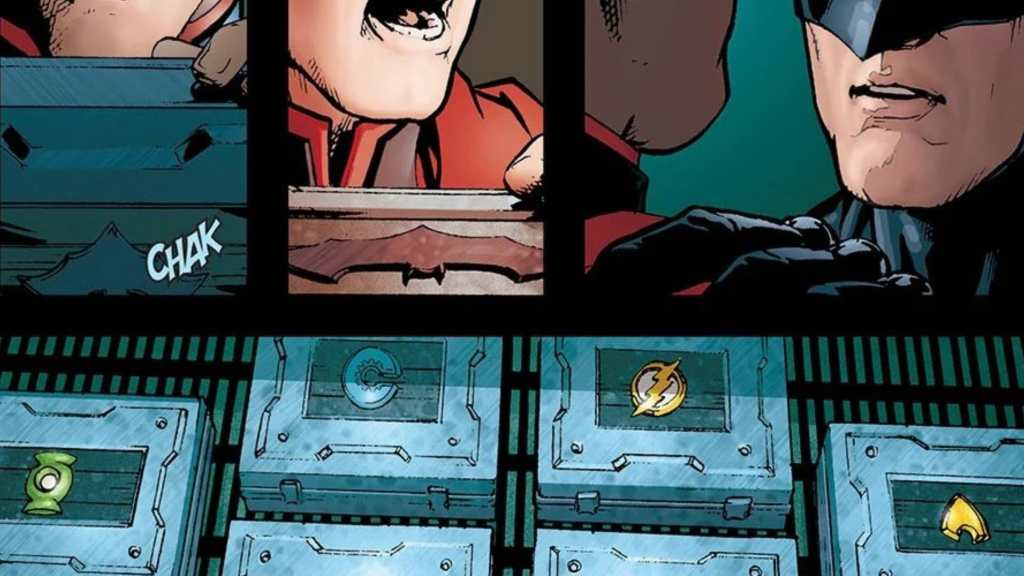
Batman gathered files detailing how to neutralize every member of the Justice League, assuming no one would ever need them. Ra’s al Ghul proved him wrong. When those plans got stolen, they were used to incapacitate his allies one by one. The man who prepared for every scenario became the cause of disaster he feared most.
This betrayal hit harder because it came from within. Batman’s secrecy and control made him the League’s greatest threat, even unintentionally. His logic — that paranoia equaled safety — revealed a darker truth: trust cannot coexist with absolute control.
3. Wonder Woman’s Handling of Amazons Attack

When the Amazons waged war against the mortal world, Diana’s leadership faltered. Instead of preventing escalation, she became trapped between loyalty to Themyscira and duty to humanity. Her hesitation cost lives and tarnished diplomatic relationships she had worked to build.
She tried to end the conflict with compassion, but ideals could not undo bloodshed. Her inability to choose decisively between two worlds revealed the weakness of her dual identity. It was not betrayal but paralysis that defined her failure.
2. Superman Exiling Himself After For Tomorrow
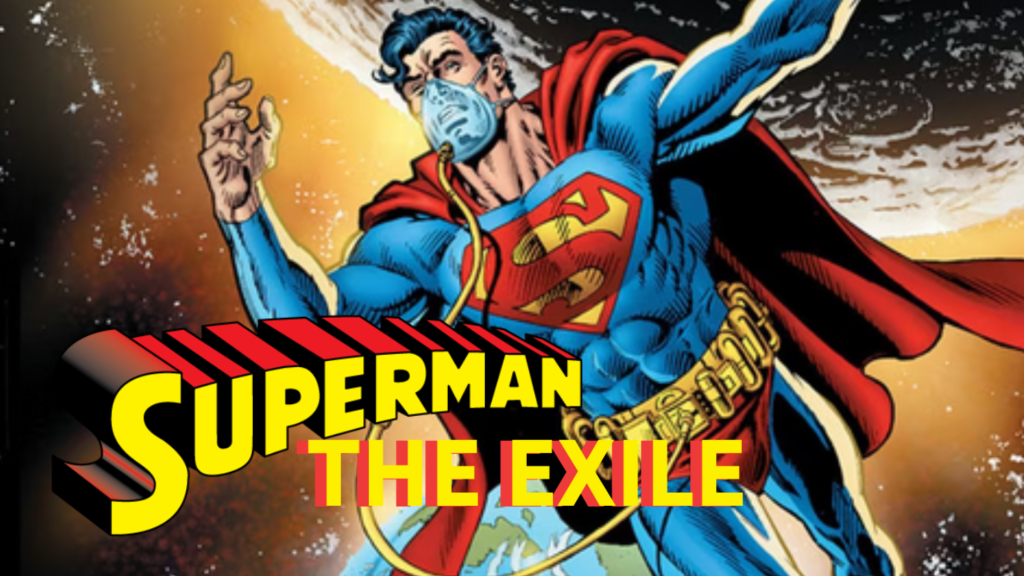
Haunted by failing to save a million vanished souls, Superman isolated himself from Earth. His retreat was not retreat from violence but from responsibility. When the world needed hope, its greatest hero chose silence. The void he left was filled by fear and cynicism.
For a being meant to inspire, withdrawal became hypocrisy. Inaction can wound as deeply as aggression, and his self-imposed exile symbolized moral fatigue. The man who could move mountains failed to move himself back toward humanity.
1. Batman Refusing to Kill the Joker
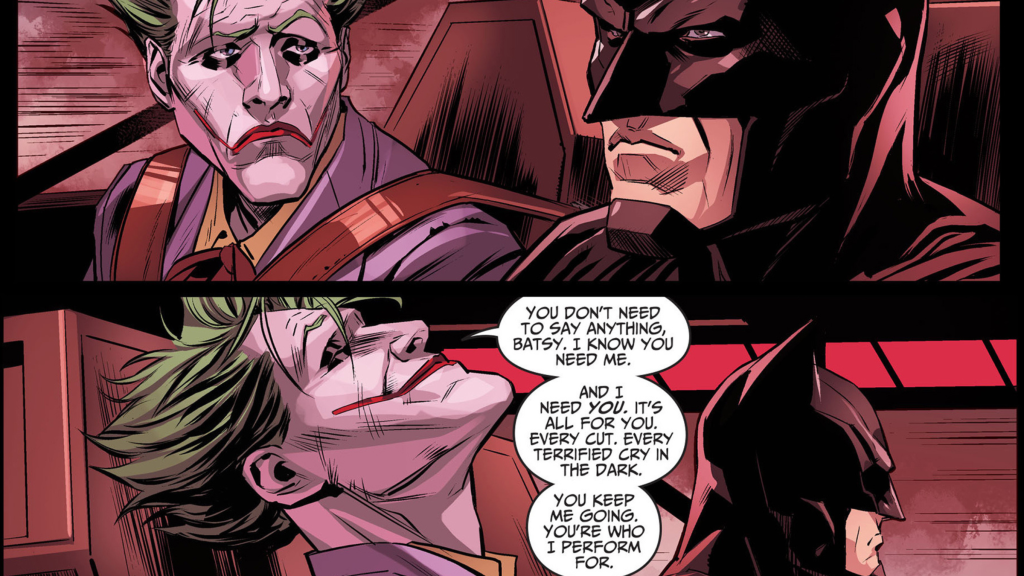
Over decades of horror, the Joker has murdered thousands. Each time, Batman stops him but never ends his life. The principle of “no killing” defines him, yet it perpetuates the Joker’s massacre cycle. Gotham bleeds while Batman clings to purity. Morality turns to obsession.
His restraint once made him noble, but it now reads as negligence. Fear of crossing a moral line has cost countless innocents — the very people he vowed to protect. For all his genius, Batman’s moral stubbornness remains DC’s most haunting, consequential failure.
What do you think? Leave a comment below and join the conversation now in the ComicBook Forum!
More Comics
-
Image Courtesy of Marvel Comics -
Image Courtesy of Marvel Comics -
Image Courtesy of Marvel Comics -
Image Courtesy of Marvel Comics