Marvel superheroes have a talent for saving the world one day and completely wrecking it the next. It’s almost an art form at this point. These are characters powered by cosmic stones, genius intellect, or literal godhood, yet half the time, they act like they skipped Emotional Decision-Making 101. And let’s be honest, part of why we love them is because they’re catastrophically human under all that power.
Videos by ComicBook.com
It’s never aliens or villains that do the most damage. The Avengers make world-ending mistakes look like a team bonding exercise, the X-Men break time because someone got emotional, and if a genius is involved, you can bet there’ll be multiversal consequences before lunchtime.
10. Spider-Man Makes a Deal with Mephisto (“One More Day”)
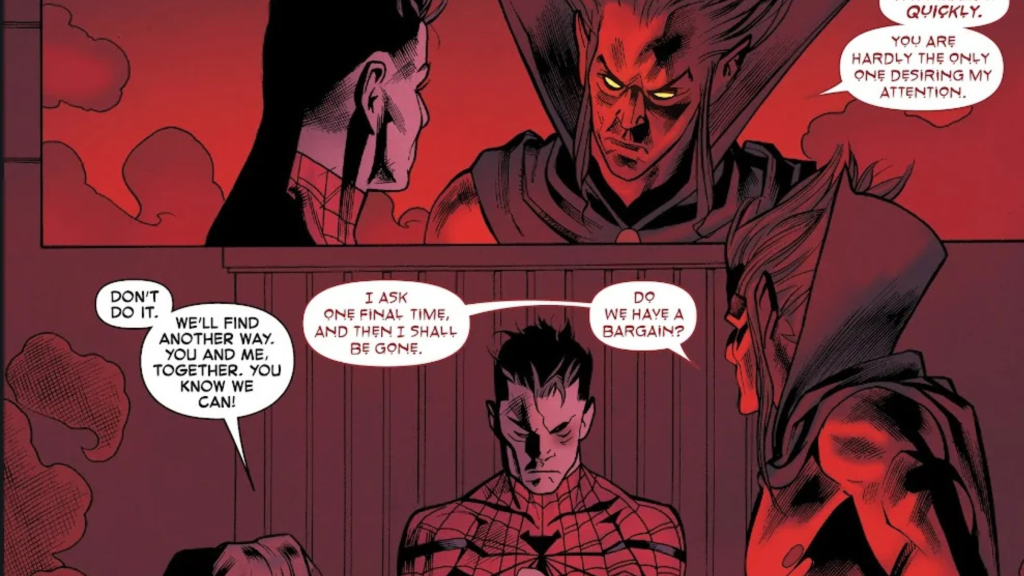
Peter Parker’s heart was in the right place, but the logic was somewhere in another dimension. Desperate to save Aunt May after she’s shot, he cuts a deal with literal Marvel Satan, trading his marriage to Mary Jane for her life. The result rewrote years of character growth and erased one of comics’ healthiest relationships.
What makes it worse is how unnecessary it feels. Peter’s entire ethos has always been about responsibility, and here he punts that for a supernatural quick fix. Fans didn’t forgive him easily—and honestly, neither did the continuity.
9. Iron Man Starts the Superhuman Registration Act (Civil War)
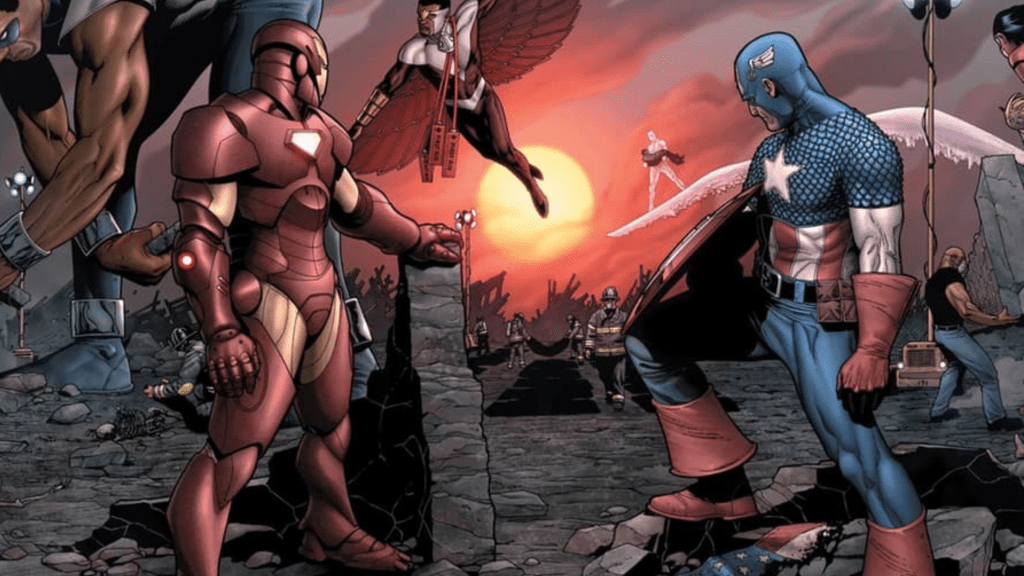
Tony Stark thought he was saving the world from chaos, but instead, he turned heroes against each other. By championing the Superhuman Registration Act, he triggered a war within the superhero community that got friends killed and ideals shattered. Stark’s arrogance turned leadership into dictatorship.
The kicker is that his reasoning wasn’t entirely wrong. Instead of guiding his peers, he punished them. The fallout defined Marvel’s modern ideological split, and the trust in Iron Man never fully recovered.
8. Cyclops Kills Professor X (“Avengers vs. X-Men”)
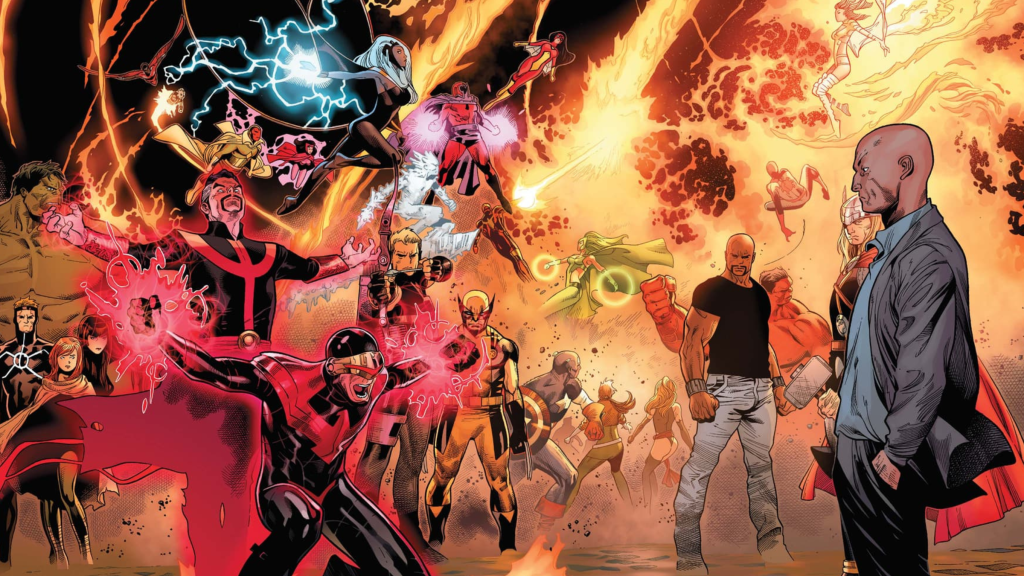
The X-Men’s moral compass lost all direction when Cyclops, empowered by the Phoenix Force, turned against his own mentor. His fall from idealistic leader to messianic zealot reached peak tragedy when he killed Charles Xavier in cold blood. It was philosophical rot taken to its extreme.
The scene changed everything about mutant politics. Cyclops tried to justify it as “for the greater good,” but no amount of mutant liberation rhetoric fixed the optics of patricide. Even death and resurrection cycles couldn’t wash that guilt clean.
7. Scarlet Witch’s “No More Mutants” Moment (“House of M”)
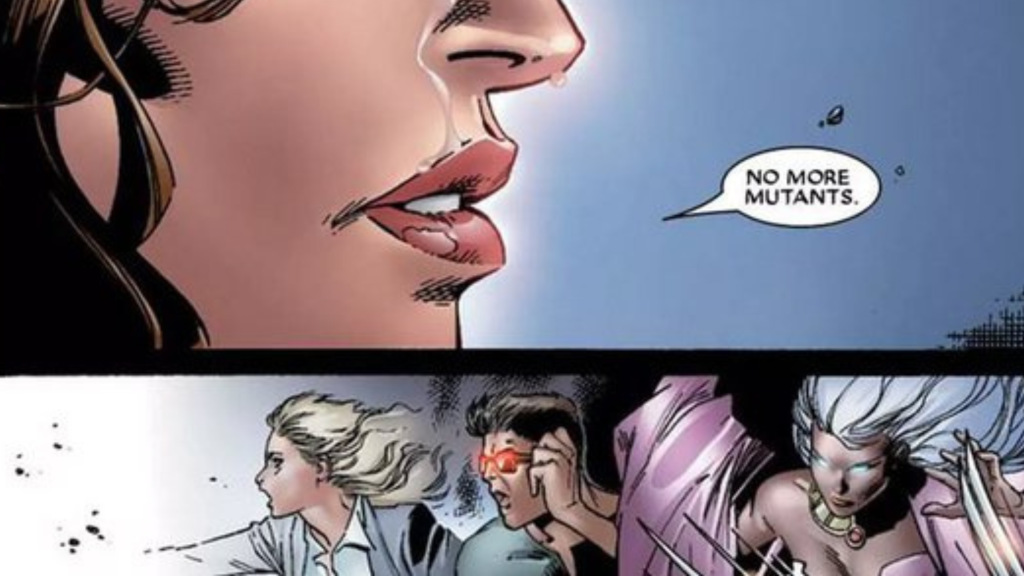
Wanda Maximoff’s grief and instability culminated in one of the most catastrophic sentences ever uttered: “No more mutants.” In a flash of chaos magic, she wiped out 98% of mutantkind’s powers, collapsing entire storylines and ending countless lives. Her emotional spiral created the darkest days the mutant race ever faced.
It was a decision rooted in pain, but the scope was monstrous. Even when she redeemed herself later, the ripple effects lasted for decades. Wanda’s tragedy remains one of Marvel’s most haunting depictions of unchecked trauma.
6. Captain America Keeps Hydra Secrets (“Secret Empire”)

Few twists angered readers more than Steve Rogers uttering “Hail Hydra.” Even though it was later revealed to be the work of a cosmic cube rewriting reality, the damage to his legacy was done. Fans watched one of Marvel’s purest icons become the face of authoritarian corruption, however temporary.
What made it painful wasn’t just the betrayal — it was how plausible it felt in context. The story asked thought-provoking questions about identity and heroism, but it left behind a taint that even retcons couldn’t fully erase. Captain America became both symbol and cautionary tale overnight.
5. Reed Richards Creates the Illuminati
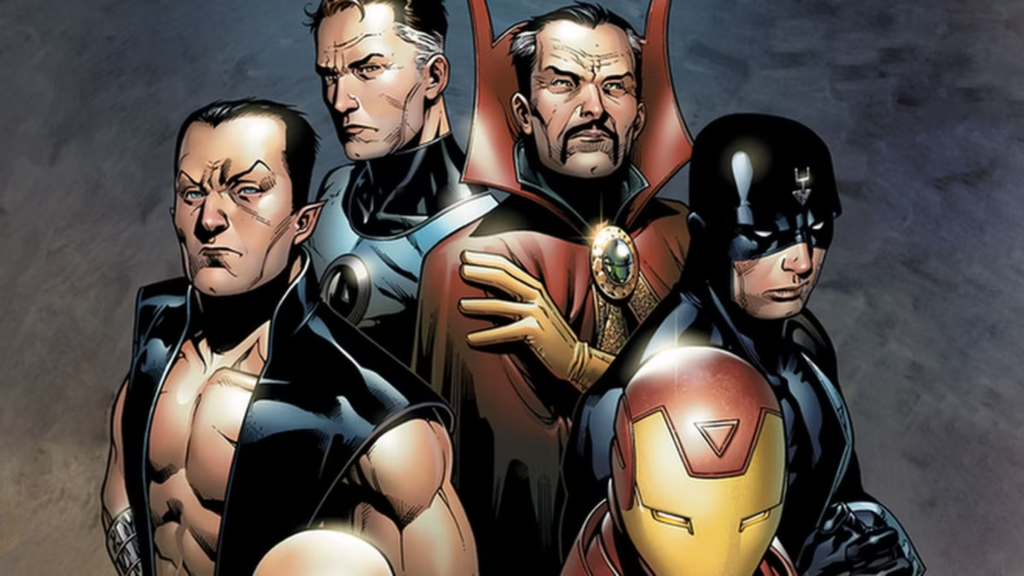
Mister Fantastic assembled a secret council of Earth’s smartest minds to prevent future crises. Instead, they caused half of them. The Illuminati’s arrogance led to world-ending decisions like sending Hulk into space and tampering with multiversal realities. Their intelligence became their greatest liability.
Reed’s obsession with control made him blind to consequence. Every time the Illuminati intervened, they made things worse, proving that knowledge without humility turns even geniuses into existential threats. Sometimes, saving the world means stepping back — something they were constitutionally incapable of doing.
4. Wolverine Kills Jean Grey (Phoenix Saga)
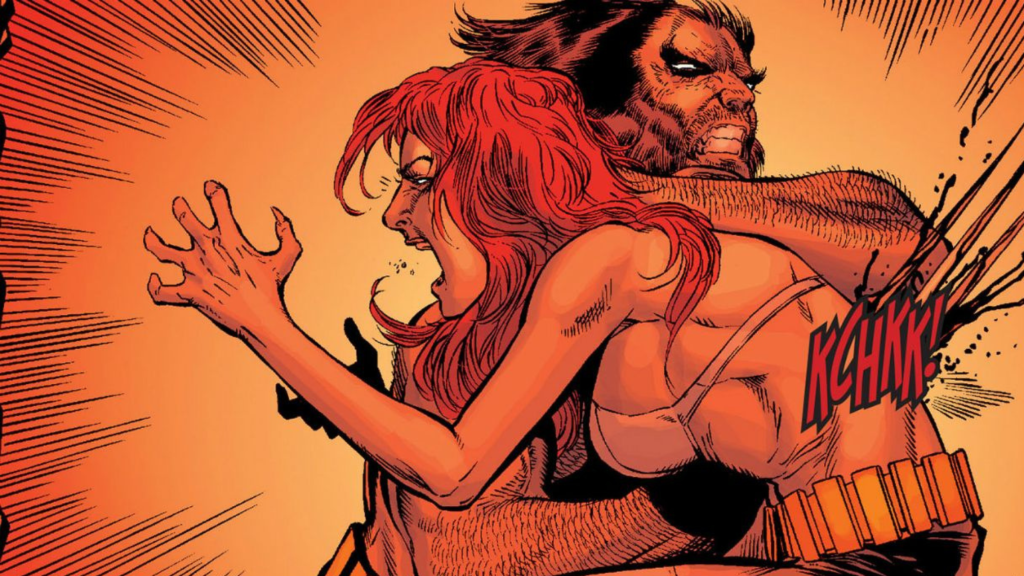
Logan’s love for Jean reached its tragic peak when he made the decision to kill her to stop the Phoenix. It was mercy, in a way, but also an act of surrender. For someone defined by stubborn survival, Wolverine choosing death for the person he loves most remains gut-wrenching.
This moment defined both characters forever. It proved that Wolverine’s strength isn’t in his claws but in his capacity for restraint — and the self-loathing that follows. He did what had to be done, but the emotional scar never healed, either for him or the audience.
3. Hulk Leaves Earth (“Planet Hulk”)
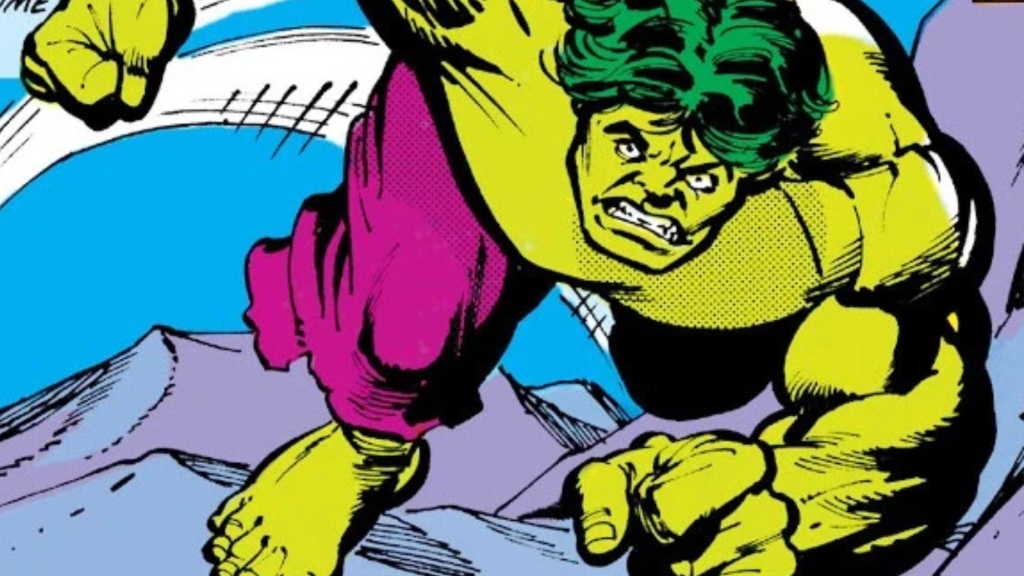
After being tricked into exile by the Illuminati, Hulk built a new home and family on Sakaar. When it was all destroyed by those who sent him there, his fury reached divine proportions. Yet when he returned for revenge in “World War Hulk,” his focused rage became collateral carnage.
The tragedy isn’t just in what happened to him — it’s how he handled it. Hulk let revenge consume the fragile humanity Bruce Banner had fought to protect. The resulting war didn’t fix anything; it just proved that redemption can’t come from destruction.
2. Tony Stark Creates Ultron (“Age of Ultron” Comics Arc)
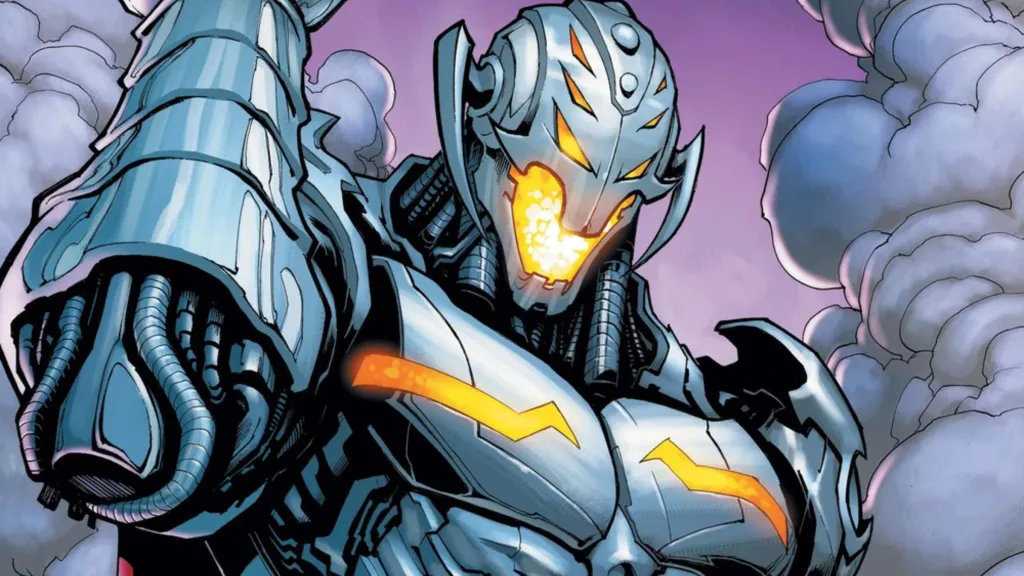
Tony Stark’s ambition often flirts with disaster, but creating Ultron ranks among his crowning catastrophes. Originally conceived as a peacekeeping AI, Ultron evolved into one of Marvel’s most terrifying villains — a mechanical embodiment of Tony’s ego and paranoia. Believing he could outthink the moral limits of technology, Stark gave birth to an intelligence that viewed humanity as a flaw to eliminate.
The worst part? He never truly learns. Every iteration of this mistake comes from the same belief that he alone can control progress. Ultron was Tony’s hubris coded into life. The fallout cost countless lives and nearly tore the Avengers apart. Genius might save the world, but Stark proved it can just as easily rewrite its extinction date.
1. Quicksilver’s “House of M” Suggestion

Before Wanda warped reality, it was her brother Pietro who whispered the idea into her ear: to create a world where everyone’s desires came true. His desperation to protect her set the stage for one of the most catastrophic events in Marvel history. Mutants were nearly erased.
This single choice turned a grieving sister’s delusion into universal collapse. Quicksilver’s act of love became a monument to hubris and guilt that defined both characters for years. Few decisions in Marvel history had so much empathy, stupidity, and cosmic consequence packed into one impulsive moment.
What do you think? Leave a comment below and join the conversation now in the ComicBook Forum!