The 1990s are the most bipolar decade in comic history. On the one hand, there were some of the biggest successes in the history of the industry, with numerous comics selling in the million comic range but on the other, there were also numerous massive failures. Marvel went bankrupt. It was wild to be ground zero back then. Comics in the US had been growing since the early ’80s and the ’90s saw that growth taken in every direction you can imagine, even when it probably shouldn’t have. Most of the time, when people talk about ’90s comics in general, they’re talking about the loads of bad comics put out by Image and Marvel, comics that did their best to push this weird style over substance storytelling that almost destroyed the whole industry in a wave of overprinted comics sitting on shelves.
Videos by ComicBook.com
However, it wasn’t all bad. Marvel Comics was still able to put out good comics in between all of the books it put out to counter all of Image Comics out there. Meanwhile, DC Comics was puttering away with both their main line and Vertigo, giving readers the best writers in the industry telling every kind of story under the sun. While Image was dominating the indie market, there were loads of small press books that were using comic storytelling for new and exciting stories. It wasn’t all that bad of a time, honestly, and these five ’90s comic masterworks have been ignored for far too long. They deserve much more praise than they’ve gotten (oh, and reprints. Please.)
5) Hellblazer
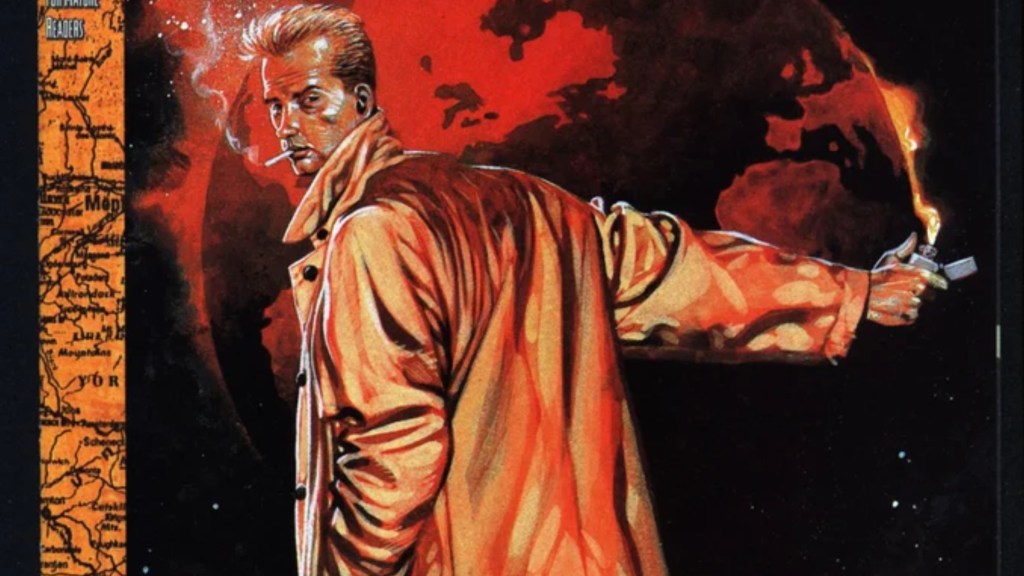
DC’s Vertigo imprint changed comics forever. Watching the rise of DC’s horror titles into the imprint was awesome, putting mature readers comics on the shelves of every comic store in the United States, the power of DC Comics behind them. When people talk about Vertigo in the ’90s, they usually talk about The Sandman, Preacher, The Invisibles (I like to think I helped with that one, because I’ve spent years writing about it every time I get a chance), and the like. They were the big books, but there was one that was always there in the background, giving readers awesome stories from the greatest creators in the industry – Hellblazer. The book starring John Constantine was never the bestselling Vertigo book – there were times when people thought it would happen after The Sandman, but then Preacher showed up and it went back to number two – but it was often the best book on the stands, with some of the best creators of the ’90s: Jamie Delano, Grant Morrison, Garth Ennis, Eddie Campbell, Warren Ellis, Peter Milligan, Steve Dillon, Glenn Fabry, Sean Phillips, and many, many, many more. I picked up a bunch of random issues last summer and they were all fantastic. That’s the kind of book it was in the ’90s – a comic you could always pick up and get something awesome out of.
4) Strangers in Paradise
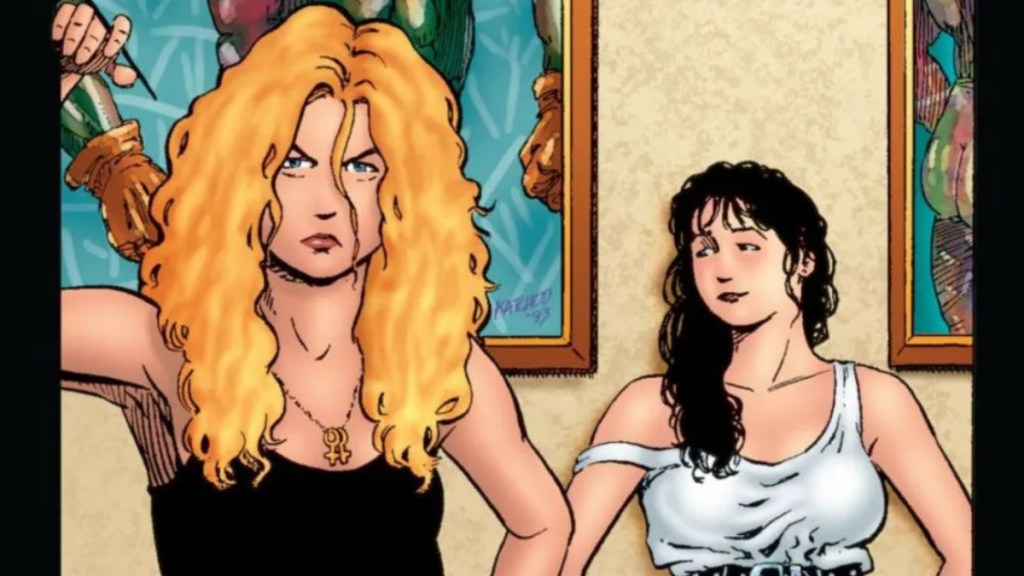
I don’t know if you know this about me, but I grew up reading comics and Wizard magazine in the ’90s. Wizard was the low brow, more humorous comic magazine and played its own role in the comic speculator boom. While it was devoted to Marvel, DC, and Image, you also got a good selection of indie comics thanks to Tom Palmer, Jr., son of the comics legend of the same name, who had his own column. I learned about lots of amazing self-published books, including Strangers in Paradise, by writer/artist Terry Moore. The book starred Katchoo and Francine, who Katchoo was in love with, along with their friend David, who was in love with Katchoo, as they went about their strange lives in one big bisexual love triangle that would expand as more characters were added to the mix. It started out as a fun ’90s slice of life dramedy and then veered into crime and thriller territory as Katchoo’s dark past was revealed. It was such an amazing book, running through the decade into the ’00s, and it doesn’t get nearly as much love as it should (you can order it online still, I think, so go and do that).
3) The Untold Tales of Spider-Man
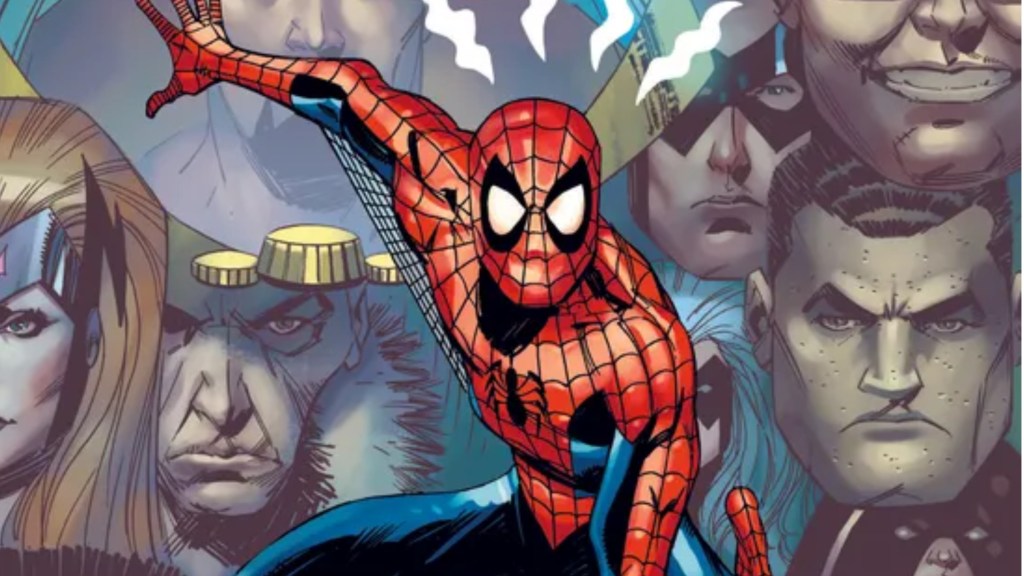
The ’90s weren’t always great for Spider-Man comics, so most fans don’t know about one of the greatest Spider-Man series of all-time: Untold Tales of Spider-Man. The book ran for 26 issues from Kurt Busiek and Pat Olliffe, taking readers back to the early days of Spider-Man’s career. It was only a $1.50 an issue and you could buy it literally everywhere. It contained mostly one and done teen Spidey adventures from a team who definitely understood the assignment. It was basically the best book you could buy on the shelves for the price. The newsprint pages – it didn’t have a glossy “Deluxe Edition” like every other Marvel book at the time had for a $1.95 – even gave it an old school feel that really helped sell you on this being an old school Spidey comic. It was awesome, the best place to go for just plain good Spider-Man stories. We like to pretend that the only reason that Marvel took away the marriage and gave us a younger seeming Spider-Man was because of the ’00s editorial regime, but Untold Tales of Spider-Man shows it’s something that Marvel was doing years before. They always wanted something like this; at least here, it comes from the greatest Spidey comics you’ll ever read.
2) Astro City
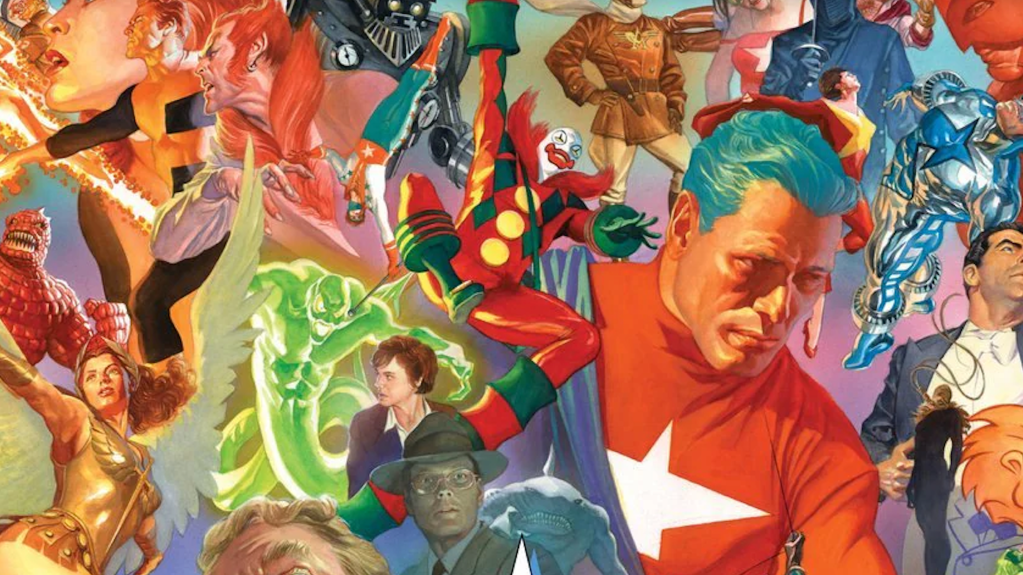
This one is another Kurt Busiek comic from the ’90s; the man was basically carrying the concept of the classic superhero back then. Astro City took readers to the titular city, which was basically an amalgamation of every big city in comics, and introduced readers to its heroes from the normal Joe’s perspective. It was populated by characters like the Samaritan, the Confessor and Altar Boy, Jack in the Box, Crackerjack, the Hanged Man, Winged Victory, the Silver Agent, and many, many more, all with their own unique histories and legacies. Busiek, artist Brent Anderson, and cover artist Alex Ross were able to create perfect pastiches of some of the most popular characters in comics and told their own stories with them, a fantastic, decades-long history of heroism and villainy. The ’90s were the time of the extreme superhero comic, but Busiek was able to remind everyone what we loved about old school comics, with Astro City‘s retro heroes meet smart, mature storytelling approach one of the best arguments for why the classics never die.
1) Alan Moore’s Supreme
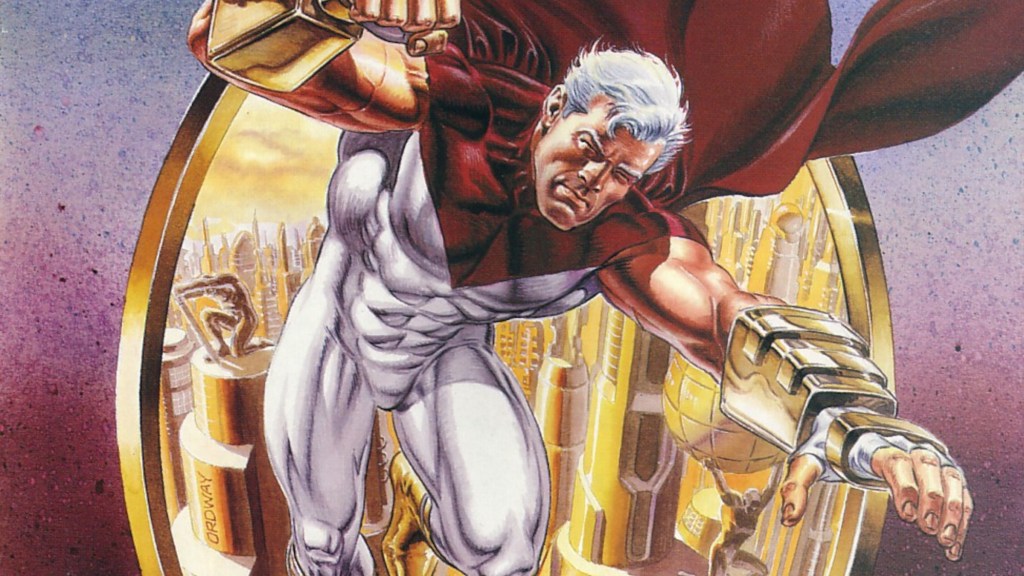
I want to picture something for me. Close your eyes. Now, picture Alan Moore never leaving DC Comics and getting to write his own Superman series, combining the best ideas of Silver Age with his modern approach to storytelling. Well, in the ’90s, we basically got that. Alan Moore was doing a lot of work for hire for the Image founders in the mid ’90s (his WildC.A.T.s was my first introduction to him back them, which is hilarious to me), especially Rob Liefeld. Liefeld basically let him do whatever he wanted and one of the things he wanted was Supreme. Moore teamed with artists Chris Sprouse and Rick Veitch for the series, which took Liefeld’s wannabe Superman created a few years before and basically just made him Silver Age Superman. It introduced a collection of characters who all fit the archetypes of various Superman characters, and Moore went to town doing all of the things he would have done with Superman. He wrote Supreme #41-56 and Supreme: The Return before Awesome Comics, Liefeld’s then latest company, folded. It’s never really been reprinted, so the only way to find it is to hunt it down. It’s well worth the hunt and maybe one day, someone will figure out a way to reprint it.
More Comics
-
Image Courtesy of Marvel Comics -

Images Courtesy of DC Comics -
Image Courtesy of DC Comics -
Image Courtesy of Marvel Comics -
Image Courtesy of Marvel Comics -
Image Courtesy of DC Comics -
Image Courtesy of DC Comics