The X-Men had more than their share of growing pains. While Marvel teams like the Fantastic Four and the Avengers were popular from the start and only got more popular over the Silver Age, the mutant team couldn’t make the same headway, and eventually was relegated to a reprint book. However, all of that changed in 1974, when Giant-Size X-Men #1 came along and finally made the team palatable for a wider audience. X-Men #94 was the dawn of a new era for Marvel’s merry mutants, both because it showcased the new team in their own title and because it brought writer Chris Claremont aboard the X-Men comics.
Videos by ComicBook.com
Claremont revolutionized the X-Men like no one else has. He built his team nearly from scratch, introduced loads of new villains, and helped spearhead the maturation of the comic medium. Basically, if you like the X-Men in 2025, you have to him to thank. He’s the team’s most important writer, and honestly the best one as well. However, he’s not the only great writer the team has had. Some of the best writers in comics have graced the team’s books, and these seven are the best who aren’t Claremont.
7) Gail Simone
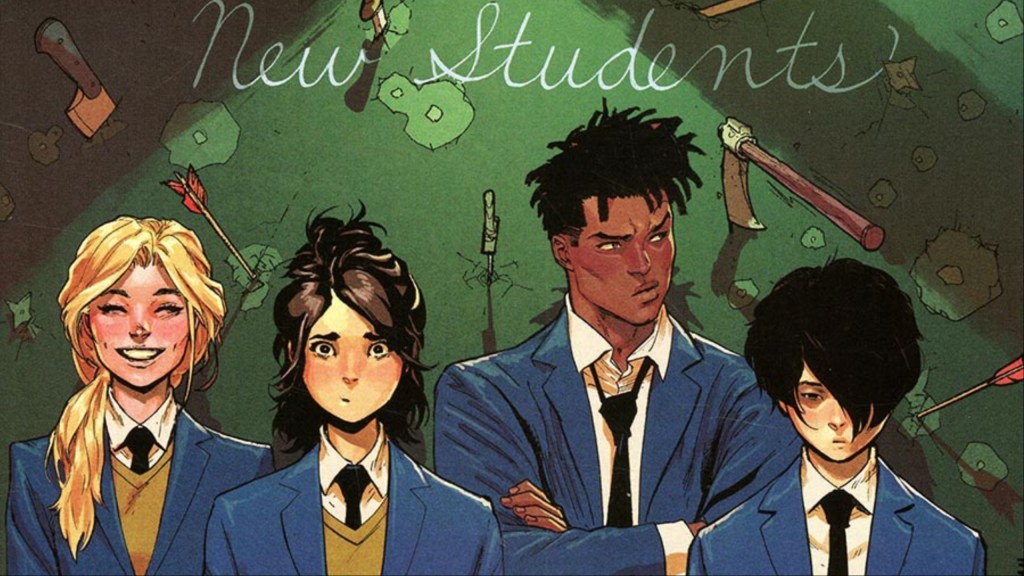
Gail Simone came onboard Uncanny X-Men in 2024, as part of the “From the Ashes” status quo shake-up. Since then, she’s been killing it with the book. All of “From the Ashes” owes a lot to the team’s past, to the extent that a lot of books are straight rehashes, but Simone has found a way to recapture the flavor of older X-Men comics without completely copying what came before. Her work is very much indebted to Claremont’s style of writing; she understands how to use her stories to build characters and how to use dialogue and caption boxes to give the book it’s own flavor. She’s able to blend amazing character-building with compelling plots and wild action, making Uncanny X-Men a joy to read on a monthly basis. Her work reminds me of the Outback era of Claremont’s X-Men, and it’s fantastic. Uncanny X-Men has escaped the “From the Ashes” curse because of Simone’s deft writing.
6) Jonathan Hickman
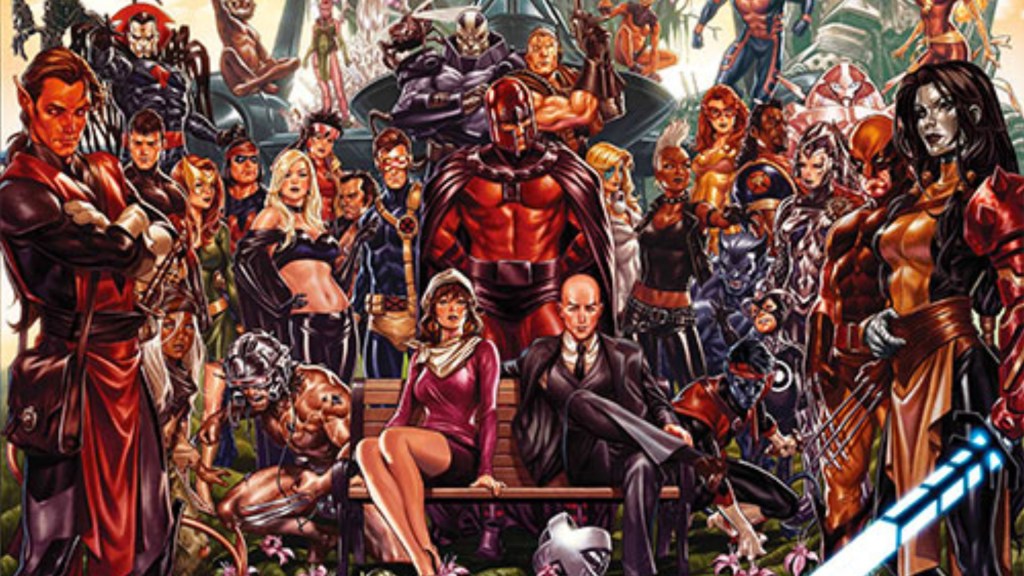
The Krakoa Era brought the X-Men back to prominence after years of Marvel sidelining the team, and we have Jonathan Hickman to thank for that. House of X/Powers of X was just the shot in the arm the team needed and it lead to a revitalization of the mutants at Marvel. Hickman’s X-Men wasn’t always the best book, but his work on House of X, Powers of X, and Inferno showed that he had the goods when it came to the team. I would go so far as to say that most of the problems with Hickman’s run on X-Men came not from any problems with his writing but more because so much of what he wanted to do with the team was in flux because of changing behind the scenes realities. Hickman’s time with the group led them to some of the greatest successes they’ve had in years, and it will always be remembered fondly by fans.
5) Fabian Nicieza
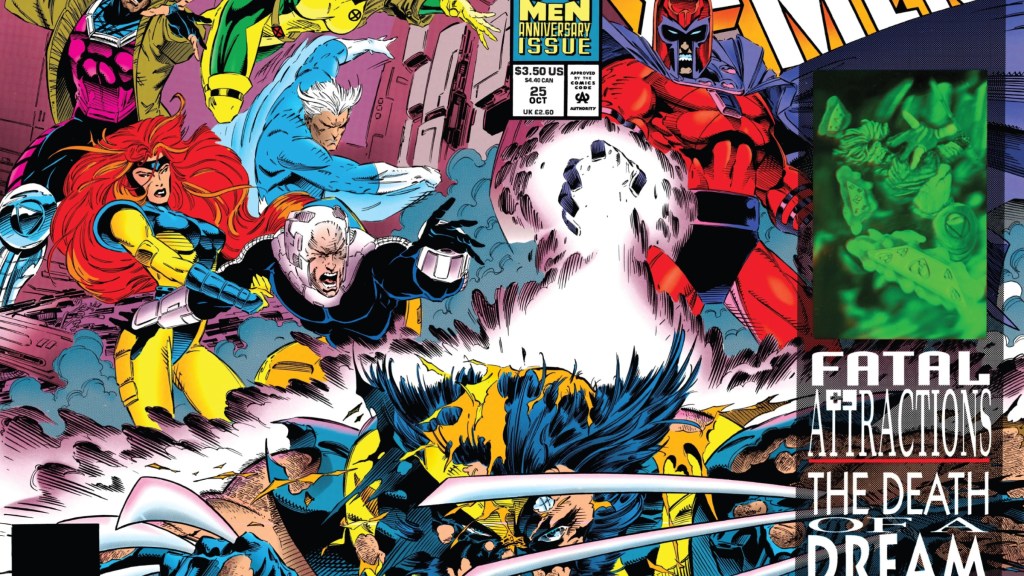
Fabian Nicieza had some big shows to step into. Nicieza was one of the writers that Marvel tapped to replace Claremont on the books. At first, Nicieza would help plot and script the books with artists like Rob Liefeld on X-Force before taking over as main writer of Both X-Force and X-Men when the Image exodus took away Liefeld, Jim Lee, and Whilce Potracio. Nicieza wrote X-Men when it was the biggest book in comics, and did a pretty great job all things considered. He had a short run on the book, but helped chart its course through stories like “Fatal Attractions”, “The Phalanx Covenant”, and “The Age of Apocalypse”, and introduced Kwannon to the X-Men. He also played a big role in the early stages of the relationship between Rogue and Gambit, showing that he had a deft grasp on the characters.
4) Scott Lobdell
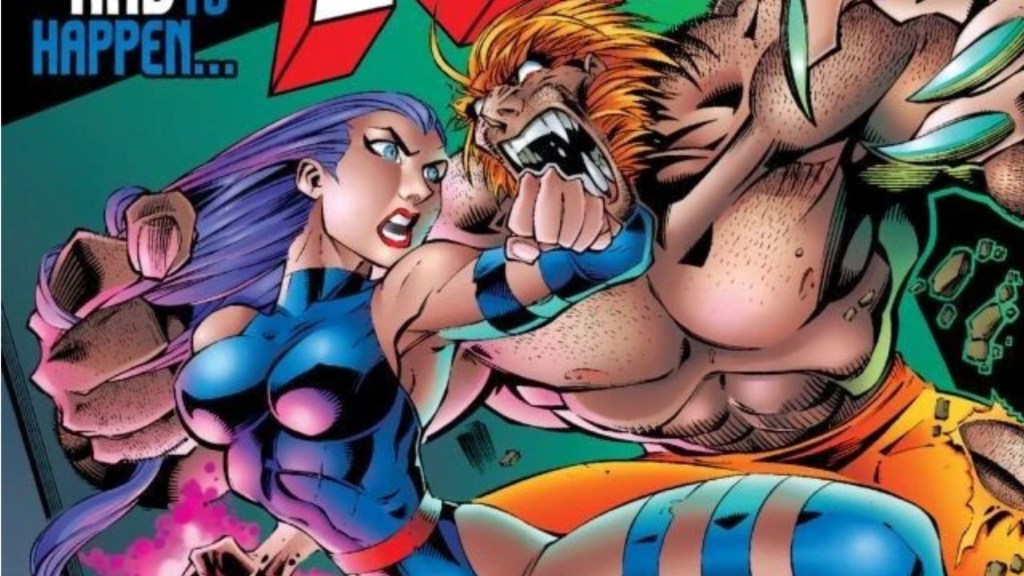
Scott Lobdell was also brought on as a scripter after Claremont left, mostly working on Uncanny X-Men. After the Image exodus, he would take over as the writer of the book, and was basically the head writer of the X-books until 1997, working on stories like “Fatal Attractions”, “The Phalanx Covenant”, “The Age of Apocalypse”, “Onslaught”, and “Operation: Zero Tolerance”. Lobdell is looked down upon as a writer today, but he was actually pretty good back then. He did his best Claremont pastiche, and was a major part of some very important stories. He kept Uncanny at the top of the sales charts throughout his run on the book, and did a great job with the characters and concepts of the X-Men.
3) Steve Seagle
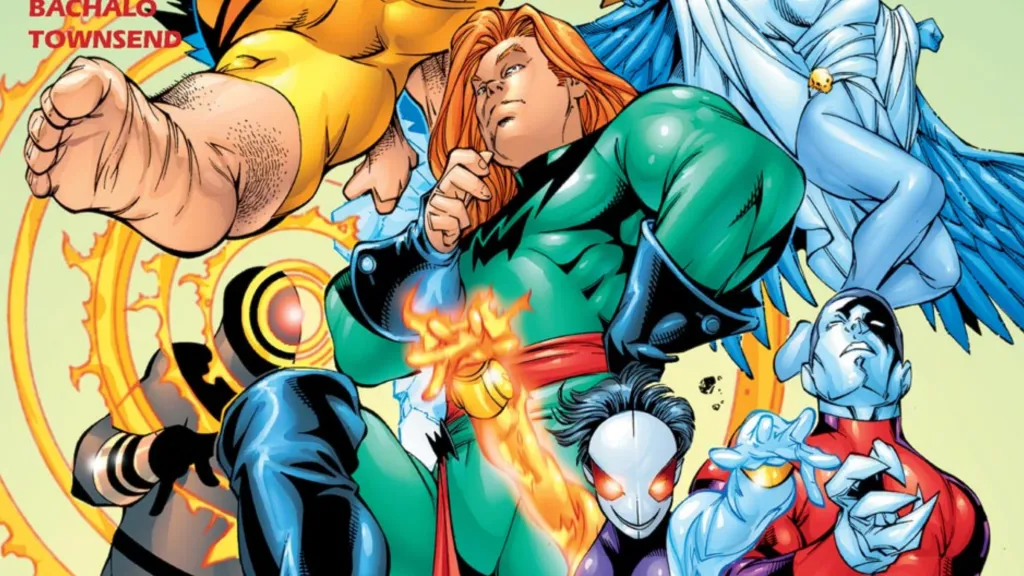
Steve Seagle made a name for himself working on Sandman Mystery Theater and was handed the keys to the X-Men after Scott Lobdell left Uncanny X-Men. Seagle worked with writer Joe Kelly (more on him later), picking up the pieces after “Operation: Zero Tolerance” reset the group’s status quo. Seagle’s time on the books was awesome; he did a great job of building the characters, and was doing his best to push the team forward. He and Kelly worked together very well; their books didn’t overlap very much, butthtere was a consistency that Uncanny and X-Men didn’t always have in the Lobdell/Nicieza days. It felt like they were moving team away from the Claremont years, which was a good thing.
2) Joe Kelly
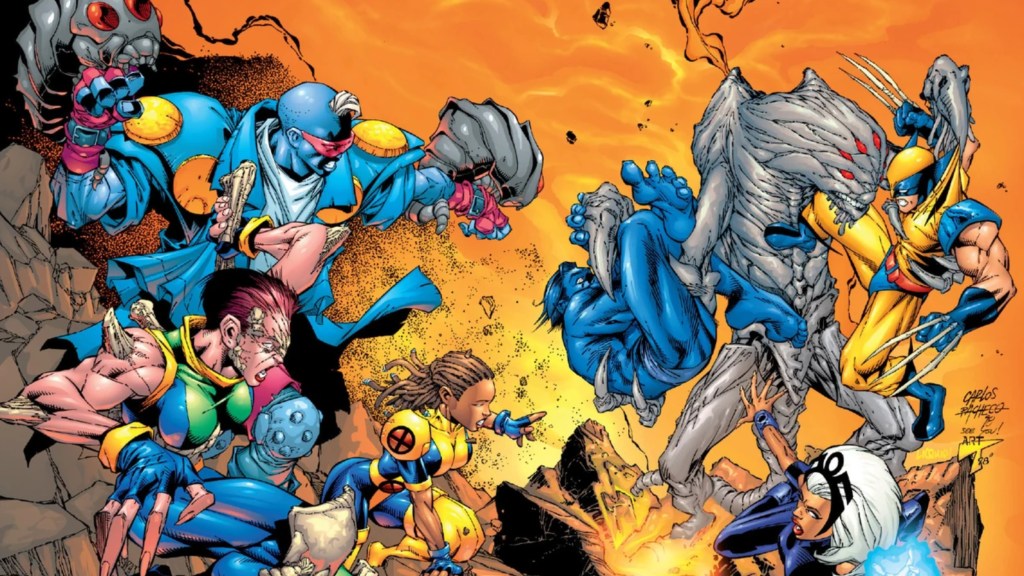
Joe Kelly’s run on X-Men came at just the right time. The writer was getting more work at Marvel, and had been doing a fantastic job with Deadpool. Under Kelly, X-Men was the more action-oriented of the two X-books; Seagle’s Uncanny was more about the characters dealing with their issues, while Kelly got to give readers the big gonzo action stories. That’s not to say that Kelly didn’t do a lot of character work in his book; he was responsible for the three new X-Men — Cecelia Reyes, Marrow, and Maggot — and did a fantastic job with each of them, even completely changing everything about Maggot (the character was originally Australian, but Kelly made him a South African). There are a lot of really cool moments in his run. It’s shame Marvel got cold feet and didn’t let him and Seagle cook on the books, because looking back on their interviews, they wanted to take things in some interesting directions.
1) Grant Morrison
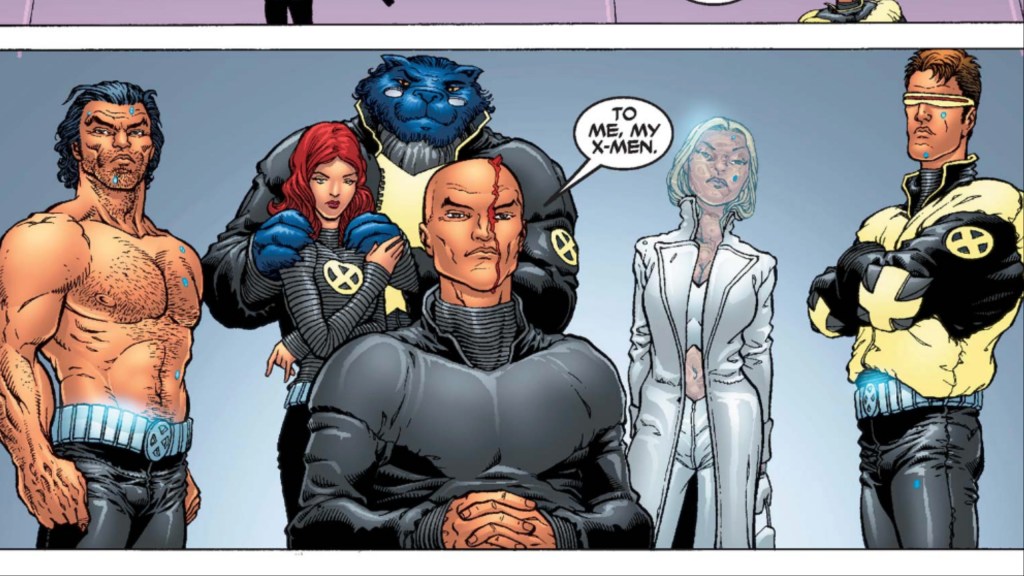
Grant Morrison’s New X-Men is a masterpiece. Morrison started working for Marvel in earnest in 1999, first doing two Marvel Knights miniseries before moving over to X-Men. It would become New X-Men and it completely lived up to that name. Morrison took the old ideas of the them and injected their massive imagination into them, taking them in new ways. Morrison’s run had all of the familiar factors, but used them in revolutionary ways. Morrison began the Cyclops revival that is still going on to this day, brought Emma Frost to the team, introduced readers to Cassandra Nova, and made the Phoenix Force important again. Their time on the team was cut short because of editorial meddling, but from 2001 to 2004, readers were getting the best X-Men books they had in years. In fact, even today, we still haven’t gotten books the like of Morrison’s New X-Men.
Who’s your favorite non-Claremont X-Men writer? Leave a comment in the comment section below and join the conversation on the ComicBook Forums!
Most Viewed
-
Image Courtesy of Madhouse -
Courtesy of Shueisha