The Fantastic Four was Marvel Comics’ first superhero property, a team-up book with a family of explorers who ended up with incredible powers and became the comic book line’s first official superheroes. The Fantastic Four debuted in Fantastic Four #1 (1961) by Stan Lee and Jack Kirby, and the book introduced the world to Reed Richards, the Invisible Woman, the Human Torch, and the Thing, a group of four heroes who set up shop in the Baxter Building and began to fight supervillains to protect New York City. This was Marvel’s first book of superheroes, and over the 65 years since their debut, the family has taken part in some incredible storylines.
Videos by ComicBook.com
From one-shot issues that remain iconic to this day to full runs that incorporated a storyline into a considerable number of issues, here are the 10 best Fantastic Four storylines that add to their legacy.
10) Ryan North’s Run
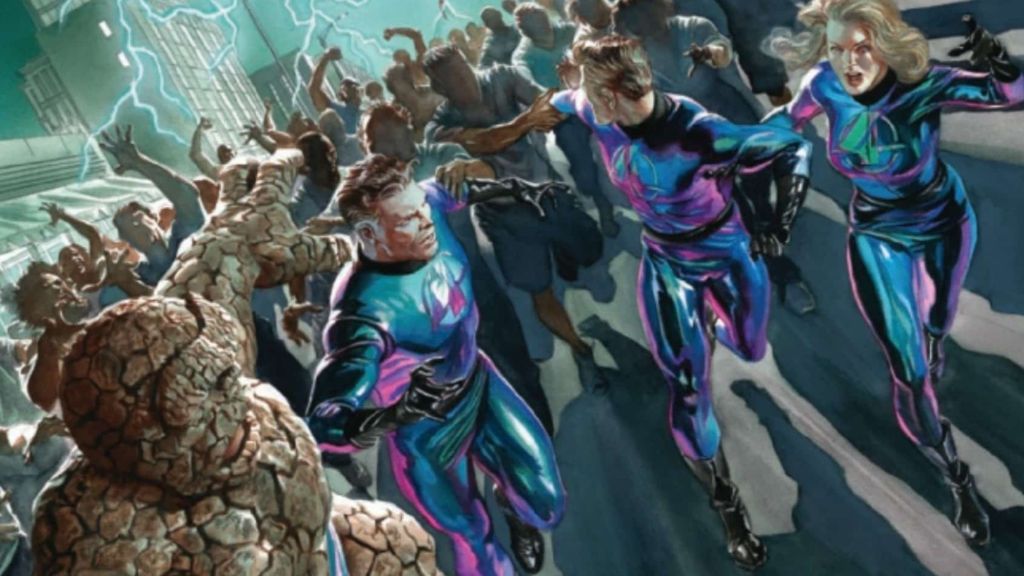
Ryan North joined the Fantastic Four title with volume 7 in 2022, with artist Iban Coello. His entire approach was to take the team and place them in self-contained sci-fi mysteries similar to classic television shows like Star Trek. The team entered into a strange situation, solved the problems there, and then left to go to the next one. This changed the dynamic into an almost serialized mystery series, and it all started with the first issue when Ben Grimm and Alicia Masters were trapped in a time loop in Pennsylvania. The run of mystery stories earned a 2025 Eisner Award nomination for Best Continuing Series.
9) Jack Kirby’s Negative Zone Stories
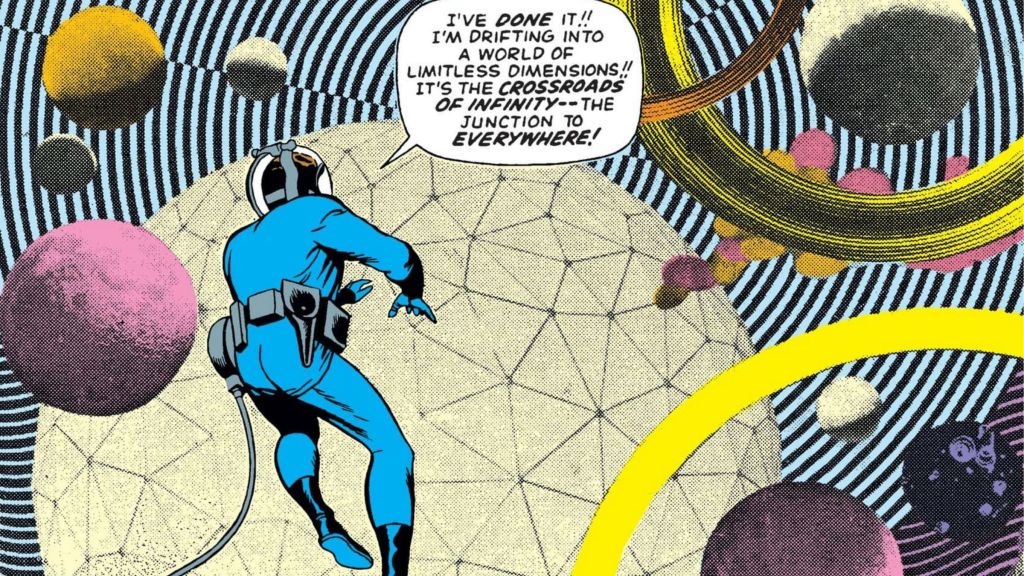
When Stan Lee and Jack Kirby created the Fantastic Four, they made them explorers and focused on the sci-fi aspects of the Marvel Universe. This was showcased first in Fantastic Four #51, and from that point on, everything changed for the comic. Reed Richards is a scientist, and he explores the extent of the known and unknown universes. In that issue, he discovered the Negative Zone. This led to the introduction of Annihilus in Fantastic Four Annual #6 (1968) and Blastaar in Fantastic Four #62-64 (1967). Kirby’s work on the various Negative Zone storylines was a high point in the run, and the stories helped build the entire Marvel cosmic universe that remains popular to this day.
8) Dan Slott’s FF Run
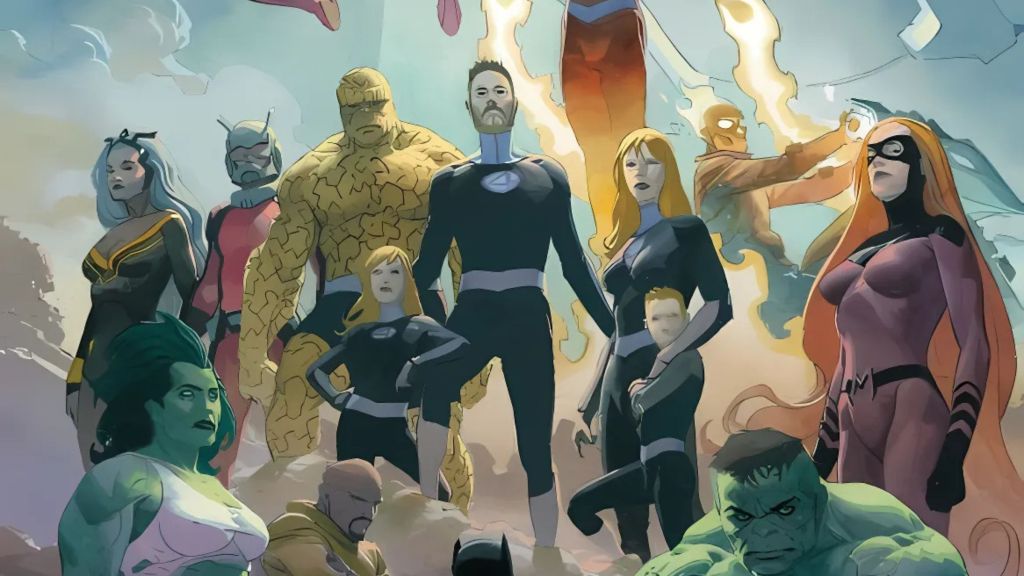
Dan Slott wrote Fantastic Four (2018) #1-46 from 2018 to 2022. This was a hugely important storyline because it launched three years after Marvel canceled the title, thanks to disagreements with Fox over the group’s movie rights. The last time the FF was a team was in Secret Wars, and after that event, Marvel dissolved the team. The early arcs of this storyline saw the team reunite, Ben finally marry Alicia Masters, and Galactus even received a redemption arc as a Lifebringer. This was a huge reset of the team that put them into a complete cosmic saga that made them explorers once again.
7) Ultimate Fantastic Four
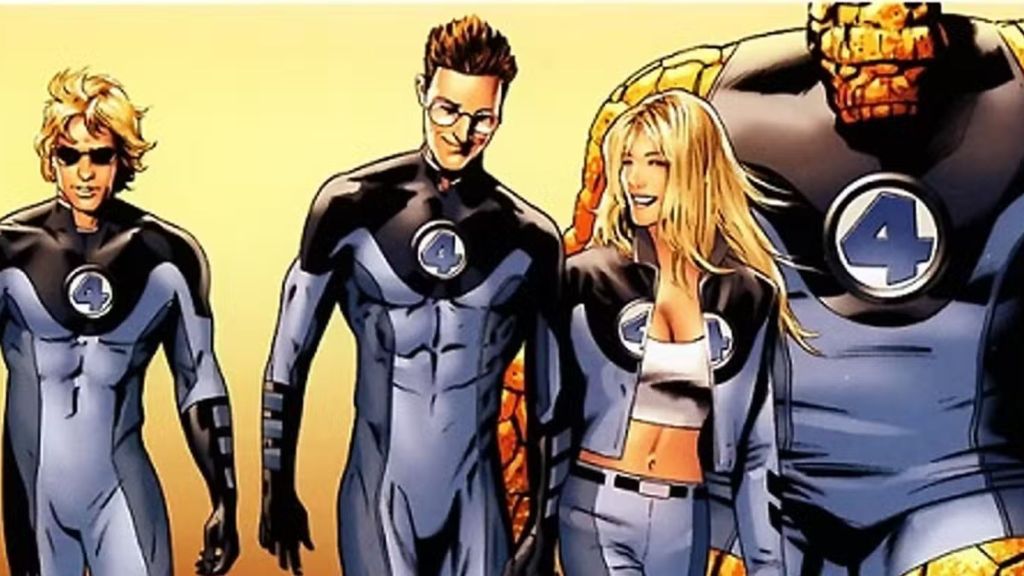
The Ultimate Fantastic Four storyline was a chance for Marvel to reintroduce the team in the modern day, and then everything about them changed. Mark Millar and Brian Michael Bendis co-launched the series in 2004 with Adam Kubert, and it reimagined Reed as a teen prodigy bullied at school and protected by a young Ben Grimm, replacing the 1961 space-race origin with a teleporter accident at the Baxter Building. This storyline ended up turning Reed into one of Marvel’s most dangerous villains, The Maker. This storyline also introduced the Marvel Zombies universe.
6) “Solve Everything”
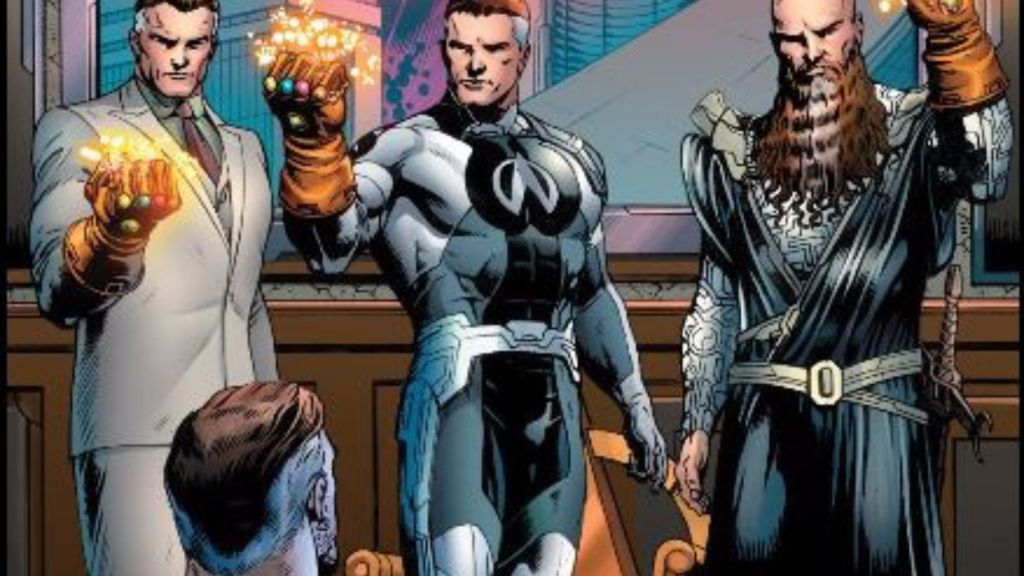
Jonathan Hickman started his Fantastic Four run with the storyline called “Solve Everything.” This ran from Fantastic Four #570-572 (2009-2010) with artist Dale Eaglesham. This was the storyline that introduced the Council of Reeds, a multiversal coalition that uses the Bridge to share knowledge and tackle problems too big for one universe. However, when Reed learns he has to abandon his family, he balks at the plan and leaves. This storyline sets up everything from the Future Foundation and the war with the Mad Celestials to the Council’s destruction and ultimately the multiverse-collapsing Incursions of “Secret Wars.”
5) “The Unthinkable” / “Authoritative Action”
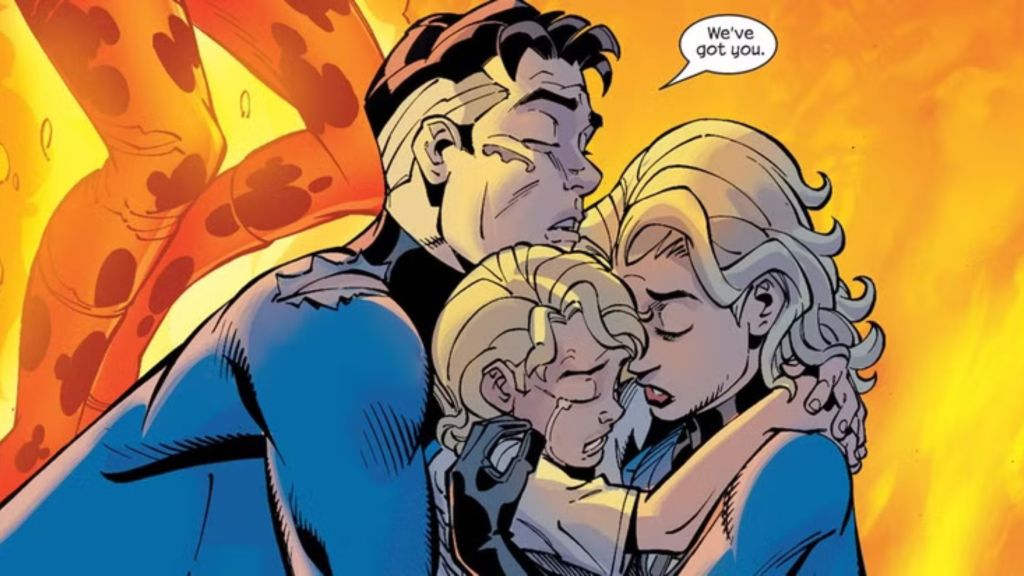
These two interconnected storylines were written by Mark Waid and Mike Wieringo and ran in the pages of Fantastic Four (vol. 3) #67-70 and #500. In this storyline, Doctor Doom abandons science for sorcery, makes a demonic pact, targets Franklin and Valeria Richards, and forces Reed to learn magic to save them. “Authoritative Action” followed this in Fantastic Four #503-508, with Reed now dismantling Doom’s war machine and running the occupied country as the United Nations plans an invasion. This two-part story is one of the best Fantastic Four tales in the 21st century, and it has Doctor Doom at his most dangerous until the events of “Secret Wars.”
4) “The Trial of Reed Richards”

“The Trial of Reed Richards” follows a moment where Reed chooses to save Galactus’s life after the World Devourer fell in a battle on Earth. The Shi’ar Empire abducted Reed and held him captive, and forced him to take part in a trial, where he stood on charges of all future deaths caused by Galactus. This was a unique story because writer/artist John Byrne wrote himself into the story, as The Watcher brought him along to chronicle what happened. Playing out in Fantastic Four #261-262 (1983-1984), Galactus showed up to testify for himself and then Eternity showed up to become the final witness for Reed’s case. It was the comic book that canonized Galactus as a force of nature rather than a villain.
3) “This Man, This Monster”
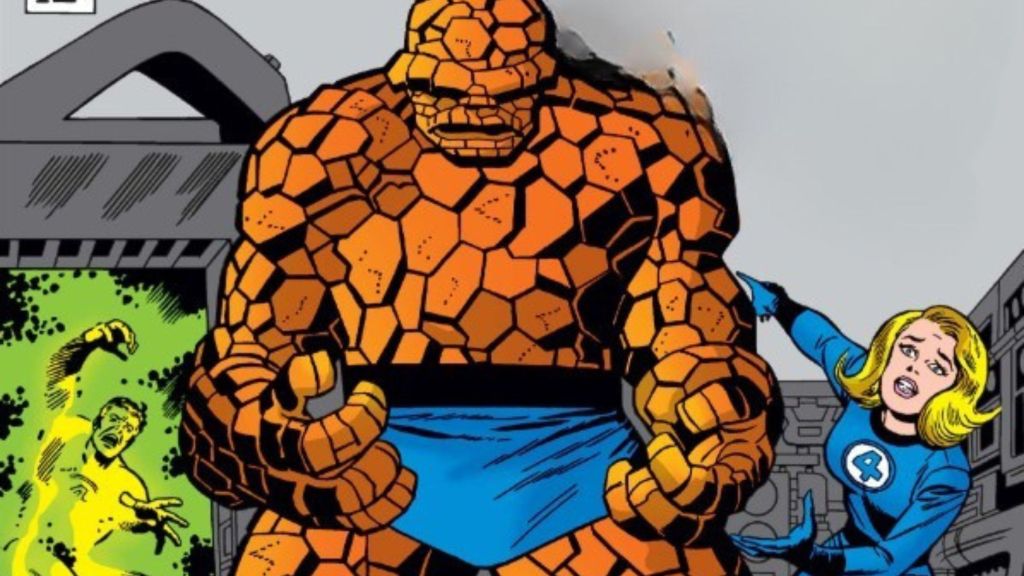
The best one-issue story in Fantastic Four history took place in the 1966 comic book, Fantastic Four #51 by Stan Lee and Jack Kirby. This was the book that introduced the Negative Zone, but it was much more than that. An anonymous scientist, jealous of Reed Richards, uses a machine to swap places with Ben Grimm, and he takes Ben’s place on the team. He then accompanies Reed into the Negative Zone and ends up sacrificing his life to save Reed, before asking Richards to remember him as a man and not a monster. This is the issue that defined Ben Grimm as a tragic hero, and it remains one of the best character-centered stories in Marvel Comics.
2) “The Coming of the Inhumans”
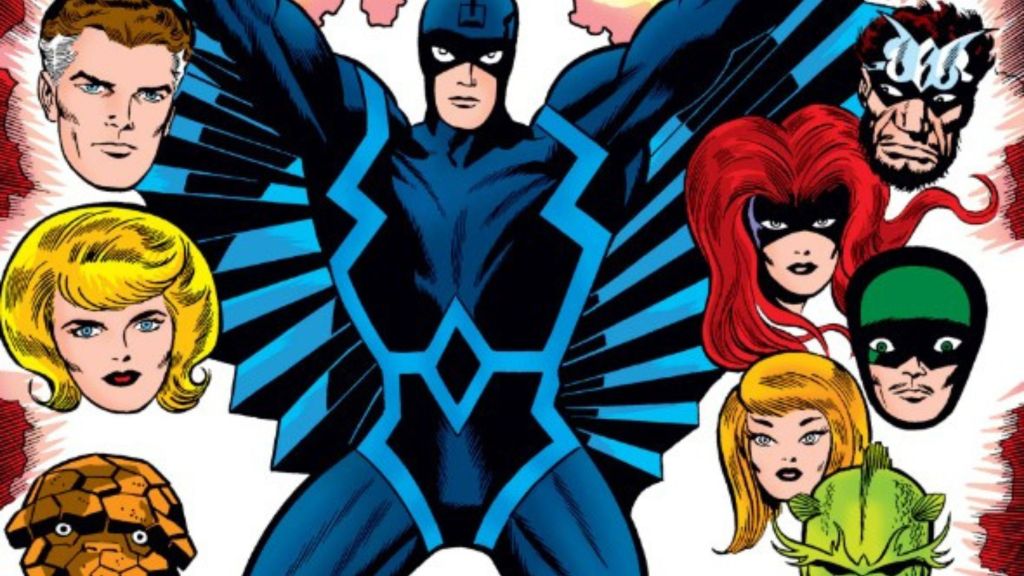
Fantastic Four #44-48 introduced the world to the Inhumans. In the storyline that is now known as “The Coming of the Inhumans,” Maximus the Mad seeks a rebellion in Attilan against his brother, the king Black Bolt. While an amnesiac Medusa appeared in Fantastic Four #36, this was where she was shown to be part of the Inhumans Royal Family, along with names like Karnak, Gorgon, Triton, Crystal, and Lockjaw. This set up Crystal’s romance with Johnny Storm, and the Inhumans went on to star in their own comics decades later. This story did what Fantastic Four was best at in the early days, and that is introducing the world to new heroes and alien races.
1) “The Galactus Trilogy”

The best Fantastic Four storyline in history, based on impact, is “The Galactus Trilogy,” which ran from Fantastic Four #48-50. This had the Watcher come to Earth to warn the FF of an oncoming threat. It then introduced two of the most important cosmic Marvel characters of all time, the Silver Surfer and Galactus. Reed saves the Earth with his brains, but this sets up Galactus as the biggest threat the Marvel Universe had ever seen at this time. This was one of the best stories of the Silver Age, and one of the most important Marvel Comics stories of all time.
What do you think? Leave a comment below and join the conversation now in the ComicBook Forum!
More Comics
-
Image Courtesy of Marvel Comics -
Image Courtesy of Marvel Comics -
Image Courtesy of Marvel Comics -

Image courtesy of DC Comics -
Image Courtesy of Marvel Comics -
Image Courtesy of Marvel Comics