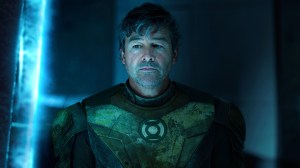
DC’s one-shot comics offer something that long-running series often struggle to deliver. They are self-contained stories that respect your time and reward your attention. They’re designed for readers who don’t want to wade through years of tangled continuity or event tie-ins. These single-issue tales give both seasoned fans and new readers a way to experience meaningful slices of the DC Universe in one sitting.
Videos by ComicBook.com
Fans appreciate that freedom, since it often leads to sharper storytelling and bold artistic direction. These issues tend to say something definitive about their subjects, making them the kind of stories that stick with readers long after the final page closes.
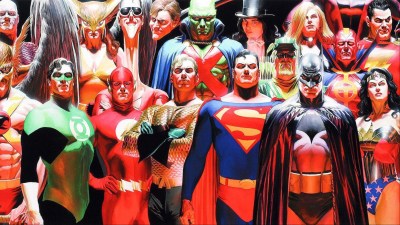
10. Batman: The Killing Joke (1988)
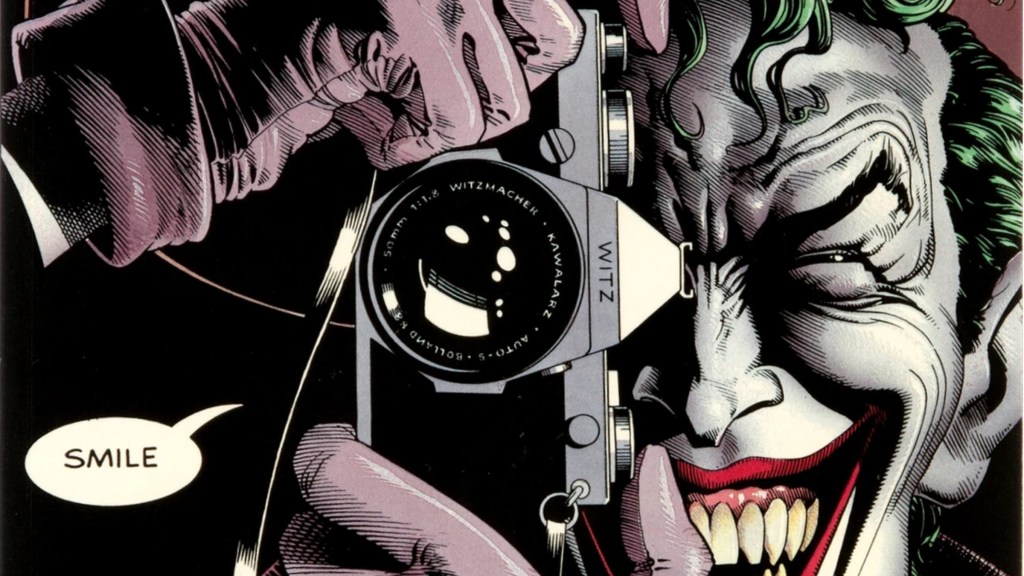
Alan Moore and Brian Bolland crafted an unforgettable look into the psyche of Batman and the Joker. This graphic novel compresses decades of moral conflict into one night of madness, exploring the fragile line between sanity and chaos. Its haunting art style and philosophical depth make it a cornerstone of Batman’s mythos.
The book’s influence on Batman lore is enormous, particularly for its treatment of Barbara Gordon and the ambiguity of its ending. Whether one views it as a masterpiece or a disturbing experiment, The Killing Joke remains a must-read for understanding why the Joker endures as Gotham’s most unnerving monster.
9. Superman: Peace on Earth (1998)

Written by Paul Dini and beautifully painted by Alex Ross, this one-shot captures Superman not as a fighter, but as a moral idealist. The story follows Clark Kent’s attempt to end world hunger, executed through breathtaking realism and emotional restraint.
Superman’s failure to solve humanity’s deepest problem grounds him in humility, reflecting how even gods struggle when faced with human complexity. It’s a rare, quiet kind of Superman story that tests his soul instead of his strength.
8. Wonder Woman: The Hiketeia (2002)
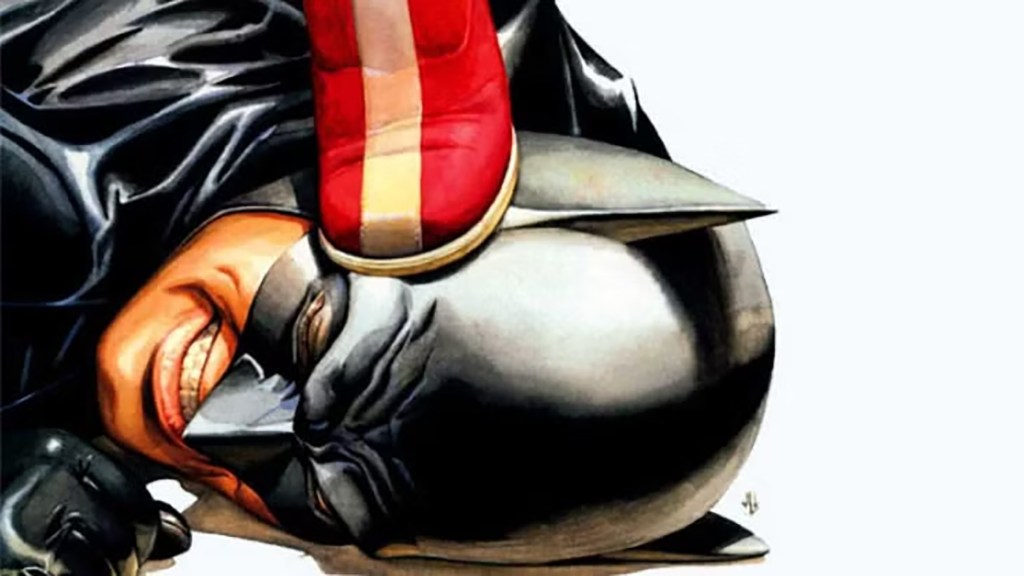
Greg Rucka’s The Hiketeia blends Greek tragedy with modern heroism. When a young woman invokes an ancient ritual to demand Diana’s protection, Wonder Woman becomes morally bound to defend her—even against Batman. The conflict feels mythic and deeply personal.
The story’s emotional power comes from Diana’s unflinching commitment to justice, even when honor and law collide. J.G. Jones’s art elevates the narrative into something operatic, using grandeur and intimacy to explore what it truly means to serve duty over friendship.
7. Batman: Ego (2000)

Darwyn Cooke’s Batman: Ego takes the Dark Knight into his own subconscious. What follows is a dialogue between Bruce Wayne and the monstrous aspect of his alter ego—a conversation soaked in guilt, fear, and purpose.
The story operates as a psychological autopsy of Batman’s mission. Cooke simplifies the myth into raw emotion, suggesting that Batman survives not through vengeance but through acceptance of his fractured identity. It’s stylish, reflective, and perfectly self-contained.
6. Green Lantern: Willworld (2001)
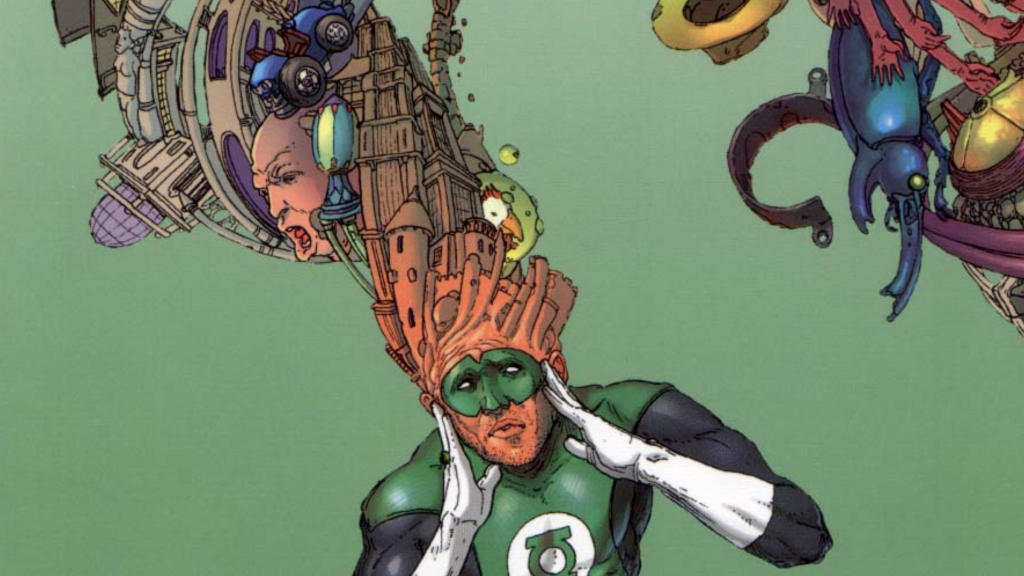
This surreal gem from J.M. DeMatteis and Seth Fisher visualizes Hal Jordan’s struggle to understand the source of his willpower. The art explodes with eccentric detail, creating a dreamscape that feels more like a metaphysical puzzle than a superhero comic.
It’s a bold storytelling experiment that celebrates the imagination behind Green Lantern’s mythology. Instead of space battles or cosmic wars, Willworld becomes a meditation on creativity itself, offering a breathtaking display of DC’s artistic possibilities.
5. Batman: Black & White #1 (1996)
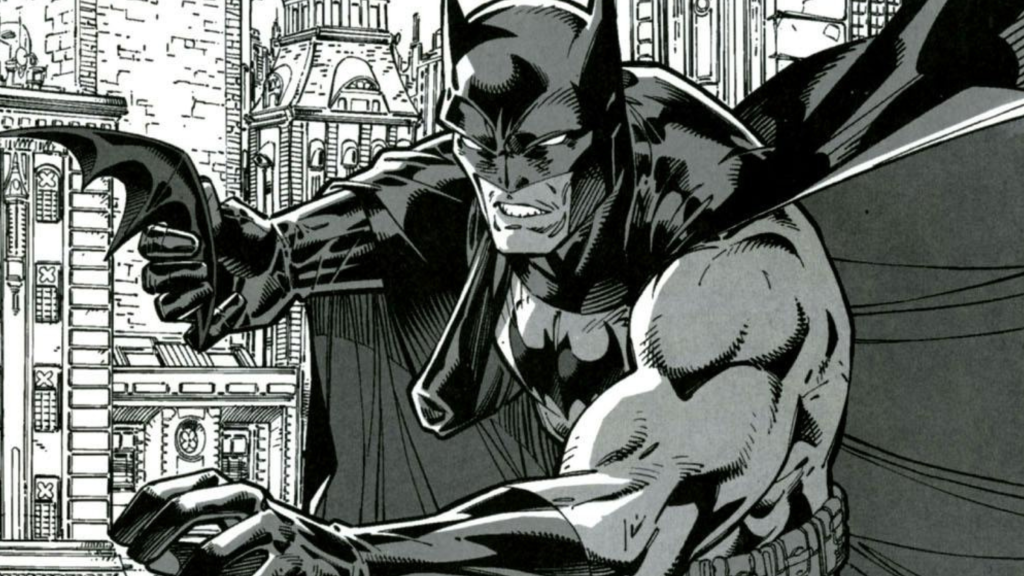
An anthology within a single issue, Batman: Black & White collects vignettes by legendary creators like Bruce Timm, Neil Gaiman, and Joe Kubert. Each short story strips down Gotham to its noir core, emphasizing atmosphere and character.
The variety of styles keeps the reader captivated from panel to panel. Some tales are philosophical, others tragic or whimsical, but together they reaffirm Batman’s adaptability across tone and genre. It’s a pure celebration of visual storytelling in monochrome brilliance.
4. Joker (2008)
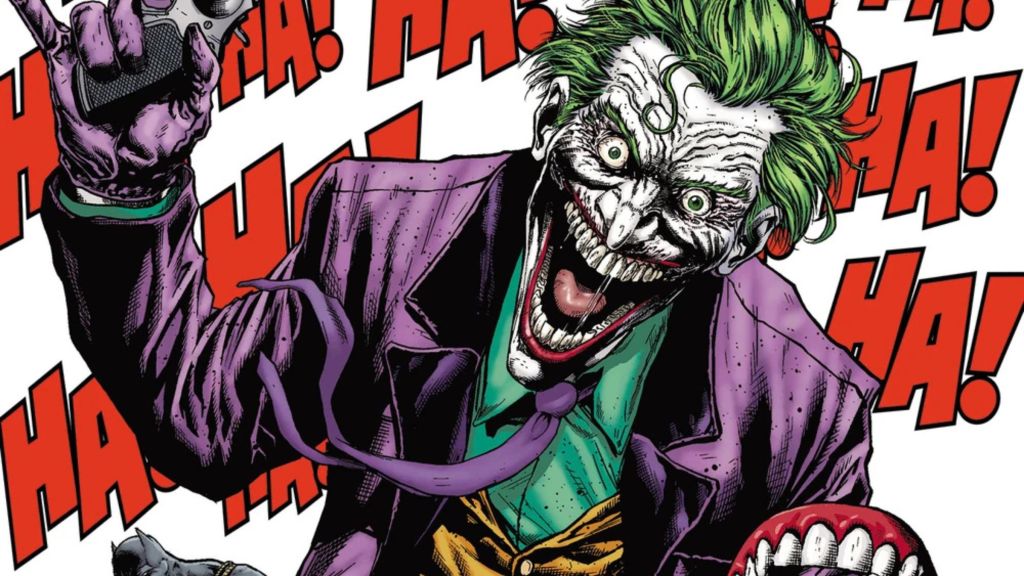
Brian Azzarello and Lee Bermejo deliver a grounded and unsettling portrait of Gotham’s clown prince. Told through the eyes of one of Joker’s low-level thugs, the story paints him as terrifyingly human — a gangster stripped of comic exaggeration.
Bermejo’s hyperrealistic art gives every bruise and bloodstain weight, turning Gotham into a grim urban nightmare. The comic questions whether evil needs reason at all, and the answer it gives is brutally convincing.
3. Lex Luthor: Man of Steel (2009)

This companion piece to Joker flips perspective again, showing Superman through Lex Luthor’s eyes. Brian Azzarello and Lee Bermejo craft a story about envy, intellect, and obsession, portraying Luthor as a man who believes he’s the true hero combating tyranny from above.
It’s a sophisticated humanization of Luthor, written with restraint and psychological precision. What makes it powerful is the uneasy sympathy it creates for a man defined by his hatred of godhood. The realism and atmosphere echo the tone of a political thriller more than a superhero comic.
2. Superman: Red & Blue #1 (2021)

This anthology issue celebrates Superman through vignettes drawn only in shades of red and blue. The restriction forces creativity, and each story captures a different emotional angle — fatherhood, kindness, and self-doubt — without feeling sentimental.
The minimal color palette amplifies moral clarity and emotional subtlety. It’s an issue that finds beauty in restraint, reminding readers that hope can be expressed through quiet courage as effectively as through grand spectacle.
1. All-Star Superman #10 (2008)
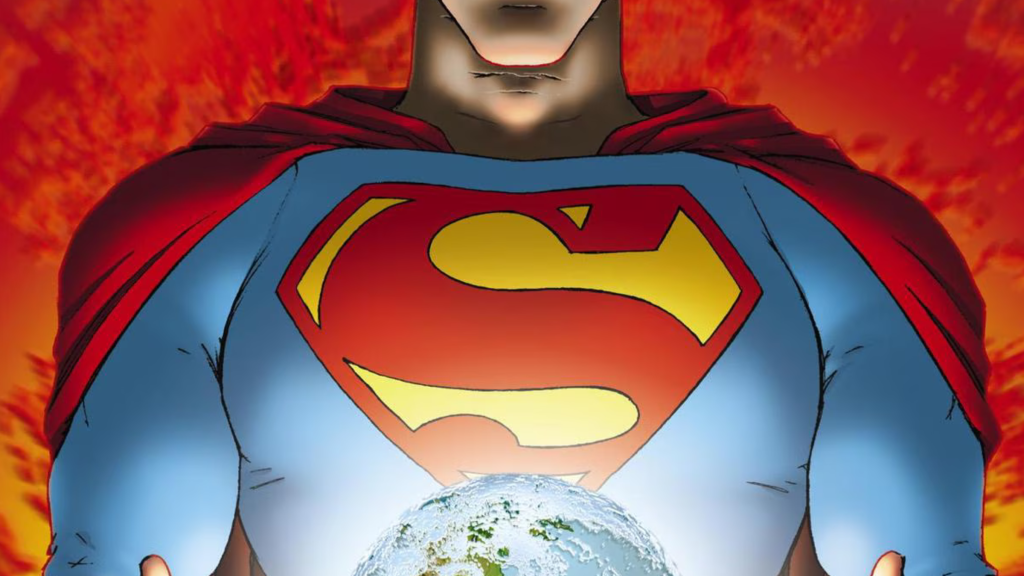
Grant Morrison and Frank Quitely’s tenth chapter of All-Star Superman functions as a perfect standalone story. Superman confronts mortality with serenity, tying together everything that defines him. The emotional resonance is unmatched. It reads like a farewell letter to the ideal of Superman, and even taken alone, it encapsulates the character at his most profound and human.
What do you think? Leave a comment below and join the conversation now in the ComicBook Forum!
More DC
-

image courtesy of hbo max -
Image courtesy of DC Comics -
Image Courtesy of DC Comics -
Image Courtesy of DC Comics