The Nintendo 64 is usually remembered for changing gaming forever through 3D worlds. Titles from the late 1990s redefined how players moved through space, explored environments, and understood game design. Super Mario 64 and The Legend of Zelda: Ocarina of Time are the pinnacles of this, yet that focus on polygons and analog sticks often overshadows something equally important. Even during the industry’s loud transition into 3D, there were developers proving that classic 2D design still had appeal.
Videos by ComicBook.com
For many players growing up in the 1990s, some of the most joyful memories came not from pushing technology forward, but from games that refined what already worked. Tight controls, expressive art, and imaginative worlds mattered just as much as technical leaps. 27 years ago, Goemon’s Great Adventure on the Nintendo 64 captured that spirit perfectly, delivering a side-scrolling adventure that felt timeless even as other games rushed toward 3D design.
Goesmon’s Great Adventure Is A Side-Scrolling Masterpiece on Nintendo 64
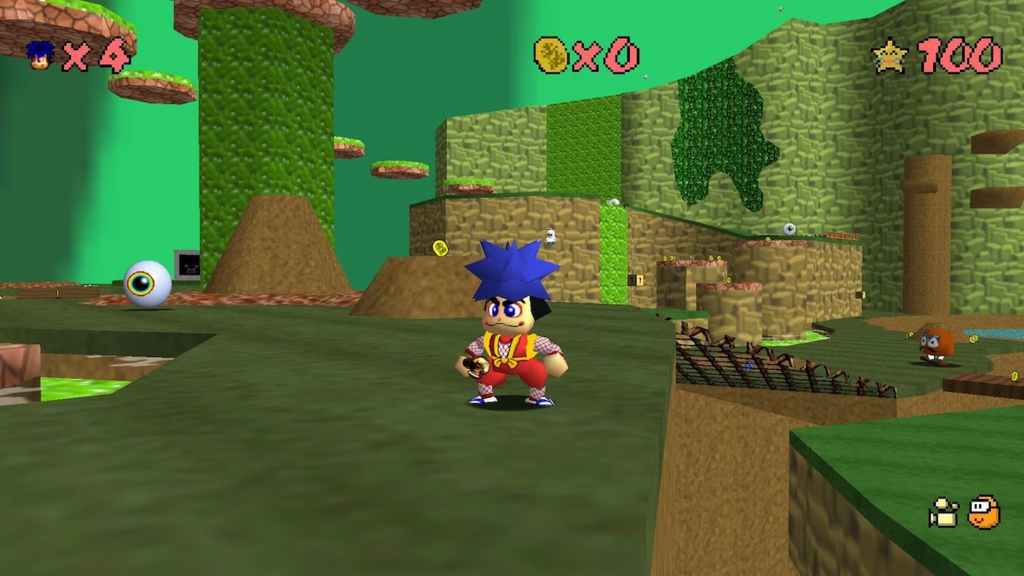
Goemon’s Great Adventure was a title that stood apart in a console library dominated by 3D experiments. At its core, it was a 2.5D side scroller that blended traditional platforming with depth-shifting mechanics, allowing characters to move into and out of the screen. This gave the game a unique sense of space without abandoning the precision that side-scrolling gameplay demands.
The gameplay was fast, expressive, and varied. Players switched between multiple characters, each with distinct abilities that encouraged experimentation. Combat felt weighty, platforming was responsive, and boss fights were inventive rather than repetitive. Stages constantly introduced new mechanics, ensuring the experience never became stale.
Visually, Goemon’s Great Adventure was bursting with personality. Its colorful art style combined traditional Japanese folklore with absurd humor, creating a world that felt both culturally rich and delightfully strange. Giant robots, surreal landscapes, and exaggerated animations gave the game an identity unlike anything else on the system.
The story was lighthearted but memorable, driven by charm rather than exposition. It embraced comedy by breaking the fourth wall and leaning into slapstick humor. That tone made the adventure approachable for younger players while still entertaining older audiences who appreciated its self-awareness.
A Hidden Gem on N64 and Beyond
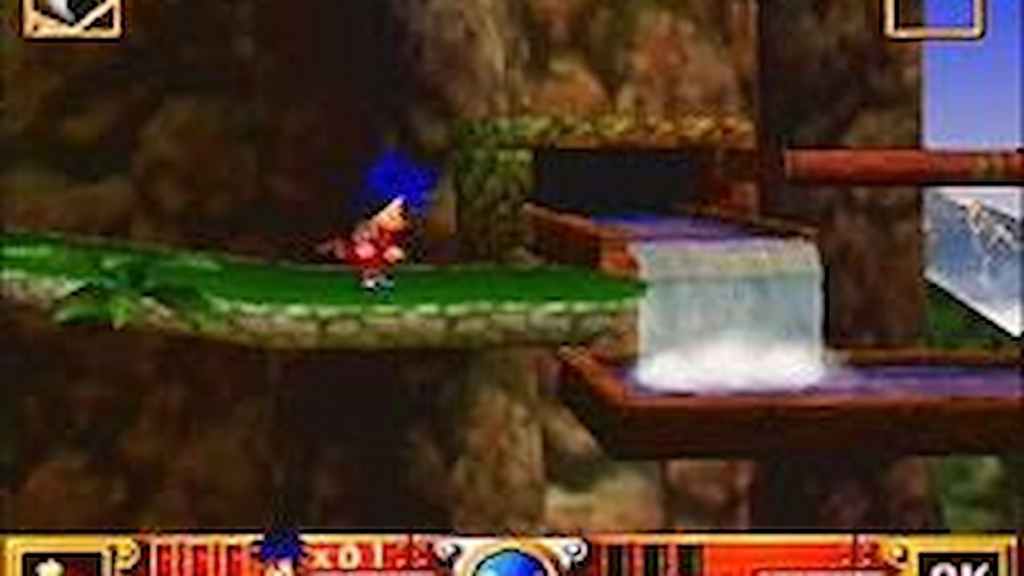
Despite its quality, Goemon’s Great Adventure often flew under the radar. The late 1990s were crowded with genre-defining releases, and side scrollers struggled to compete with the excitement surrounding 3D worlds. This was made even more difficult when you compared it to more well-known names like Nintendo’s first-party titles. Yet among those who played it, the game earned a cult following.
Its legacy is in how it embraced 2D design while implementing 3D elements to create a unique aesthetic. This was more impressive and risky because of how the Nintendo 64 was embracing 3D designs. While many developers felt pressured to push into full 3D, Goemon’s Great Adventure demonstrated that innovation did not require abandoning what had already been proven to work. It showed that side-scrolling games could still feel fresh, even on cutting-edge hardware.
Beyond the Nintendo 64, the game has influenced how players talk about overlooked classics. It often appears in discussions about hidden gems, best N64 platformers, and underrated side scrollers of the 1990s, even if it didn’t get that recognition on release. For many, it represents a reminder that the era was more diverse than its reputation suggests. The Goemon series itself remains beloved in Japan, but the Western presence it had has faded over time.
Should Goemon Have One More Adventure Today?
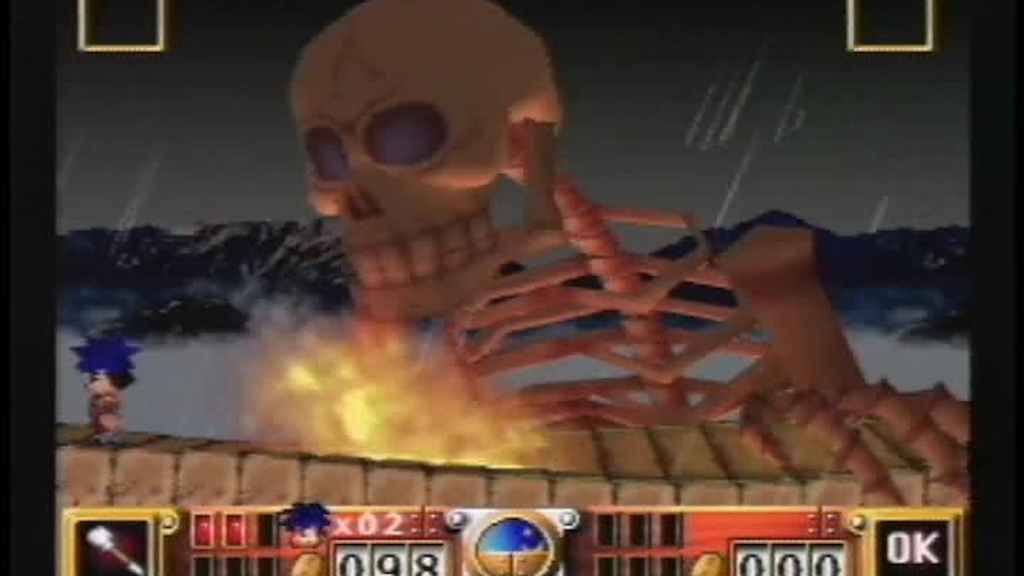
As remakes and remasters are becoming more prevalent, the question remains: should this game or the series it belongs to return? In an era defined by remakes, remasters, and nostalgic revivals, Goemon’s Great Adventure feels like a perfect candidate. Its art style would scale beautifully to modern hardware, and its gameplay remains strong enough to stand on its own, especially after some quality-of-life improvements.
A modern re-release could introduce the game to a new generation of players who may never have experienced it. With the renewed popularity of 2D and 2.5D platformers, the timing feels right. Games inspired by classic design continue to thrive, proving there is still a strong appetite for this style. There is also room for a full revival. The series’ blend of humor, folklore, and action would feel refreshing in today’s landscape.
From a personal perspective, revisiting this game reminds me why I fell in love with gaming in the first place. It was joyful, surprising, and unapologetically weird. I had no idea what to expect after accidentally picking it up from a video game rental store many years ago. And now twenty-seven years later, Goemon’s Great Adventure stands as one of the Nintendo 64’s finest side scrollers. It deserves to be remembered not as a curiosity, but as proof that even during gaming’s biggest transitions, great design never goes out of style.
What do you think? Leave a comment below and join the conversation now in the ComicBook Forum!
More Gaming
-
Courtesy of NetherRealm Studios -

Courtesy of Rockstar Games