When it comes to the Street Fighter series, many fans will have their personal favorite game depending on how nostalgic it is in their memory. Maybe it’s the polished sprites and advanced mechanics of Street Fighter 3: Third Strike, the classic legendary arcade experience of Street Fighter 2, or even the deeply satisfying Drive system of Street Fighter 6. However, some fans hold reverence for a different spin-off game in the Street Fighter series, as one that helped develop its unique appeal far more than other titles in the franchise managed to do.
Videos by ComicBook.com
It’s easy to forget that there were multiple versions of Street Fighter 3 and Street Fighter 2 over the years, as arcades developed new editions of familiar games for players. Typically, the final game in those “series” tended to be players’ favorites, with Super Street Fighter 2 Turbo and Street Fighter 3: Third Strike being prime examples. This isn’t always the case, though, as Ultra Street Fighter 4 is sometimes considered a weaker entry in its legacy. At the same time, some players can universally agree on which Street Fighter game during a specific era had a greater impact.
Street Fighter Alpha 2 Released In September 1996 To Help The Series Evolve Throughout Arcades
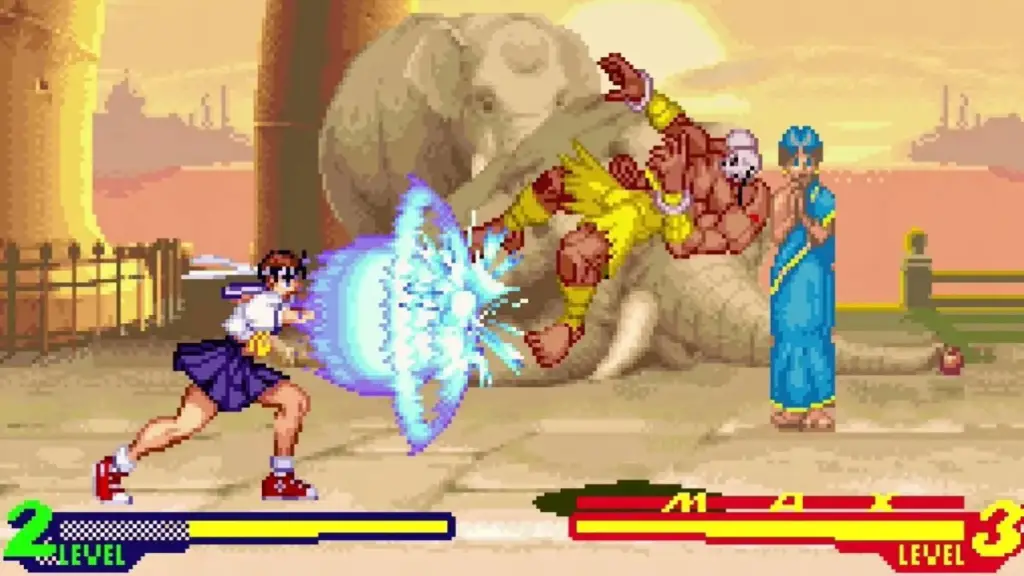
Releasing on September 30, 1996 in Japan arcades, Street Fighter Alpha 2 is the second game in the Street Fighter Alpha series, an anime-inspired prequel spin-off of the mainline franchise. Coming out around the same time as the Street Fighter 3 games, Street Fighter Alpha titles were far more stylized than Street Fighter 2, with smoother pixel and sprite work and art that reflected a far more Japanese aesthetic than other games in the series. Younger designs for characters like Ryu, Ken, Chun-Li, and other fighters combined with exaggerated expressions to make the game feel more cartoonish and appealing for younger audiences.
Functionally, the Street Fighter Alpha games had a similar gameplay style to the games that came before, but with a flashier and more open-ended system than what Street Fighter 3 was trying to do. Unlike the advanced parry mechanics of Street Fighter 3, Street Fighter Alpha stuck to the more traditional systems of Street Fighter 2, feeling like a smaller step forward when it came to how it played. This drew in plenty of players who were off put by Street Fighter 3, long before Third Strike became the legendary milestone that it is today. That being said, even by today’s standards, Street Fighter Alpha 2 is still one of the best games in the series by a wide margin.
SF Alpha 2 evolved from its predecessor by expanding its roster and adding creative gameplay systems the series had never seen before. For example, players now had access to three bars of a super meter, a system introduced in SF2 but expanded upon in Alpha 2. Supers included multiple flashy attacks for every character, with tough execution barriers but highly rewarding attacks that dealt massive damage and were displayed through engaging animations. Additionally, players also had access to the V-ism system, where their character could enter a state where they could invent combos on the fly, instead of relying strictly on super arts and difficult input cancels.
Anime Inspired Aesthetics Transformed Street Fighter While Retaining The Elements That Defined The Series
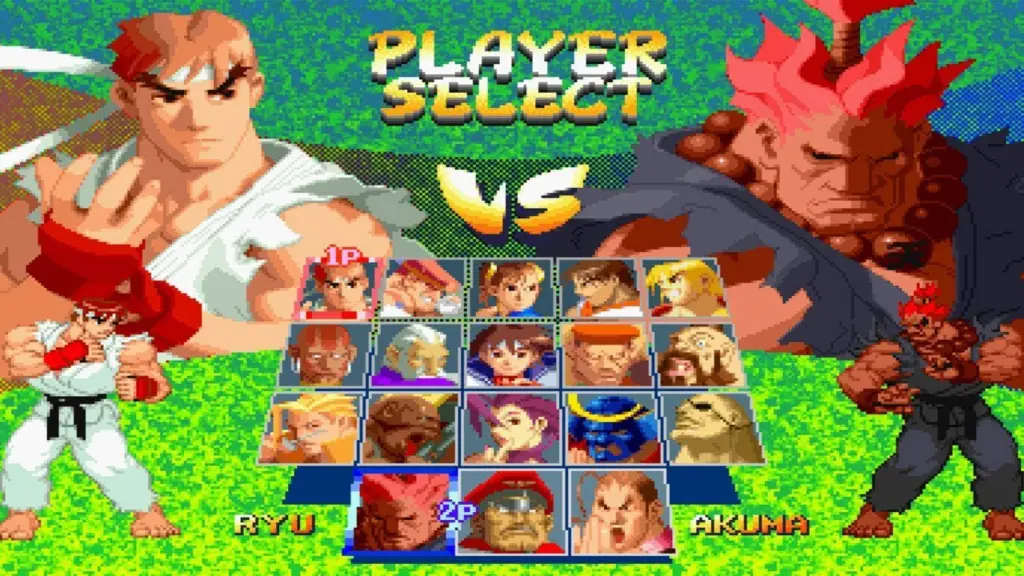
At its core, Street Fighter Alpha 2 was a far more bombastic version of Street Fighter 2, with more expressiveness in both graphics and player agency. Flexible super meters and V-isms meant that player strategies were on full display, in focused gameplay elements that represented the core tactical pacing of Street Fighter 2. As a prequel, this game also focused on expanding the lore of the characters in ways that Street Fighter 2 couldn’t do, establishing larger backgrounds for familiar and new fighters alike.
The anime inspired visuals of SF Alpha 2 applied to its stages too, which were more dynamic and more varied than any Street Fighter game had managed to do before. Inspired partly by Capcom’s Darkstalkers series that had also come out around the same time, Street Fighter Alpha 2 had a stronger visual presence, with characters showing more emotion and personality than they had in past games. This helped characters like M. Bison stand out with far more evil expressions as a final boss, while Ken was able to stand out from Ryu more than ever before.
Interesting New Characters & Polished Gameplay Features Still Mark Alpha 2 As A Fan-Favorite
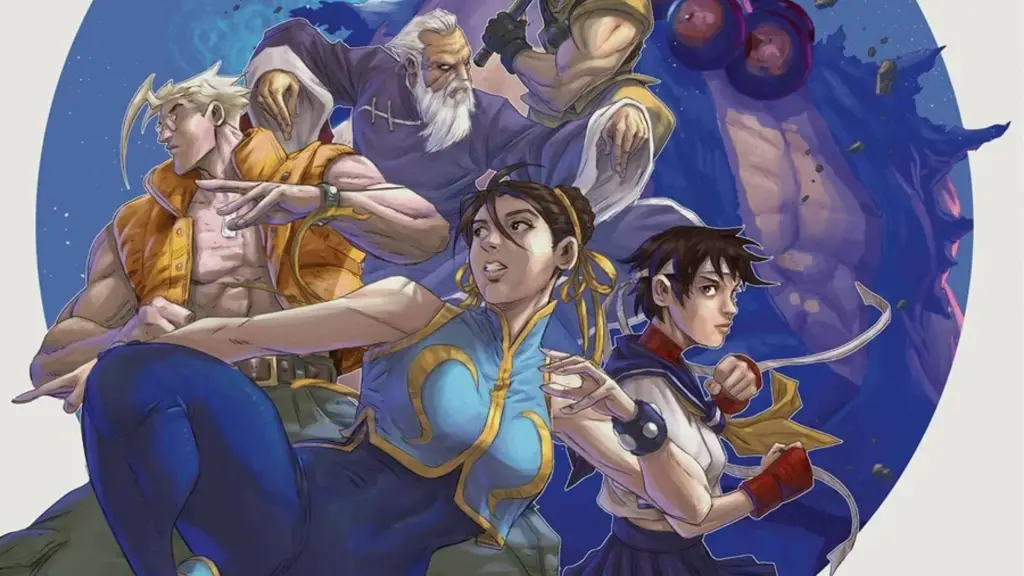
For many fans, Street Fighter Alpha 2 is by far the best game in that spin-off series, as Alpha 3 introduced too many chaotic elements with new ISM features, guard crushes, and overpowered infinite combos. It helps that some of the series’ most celebrated characters made their debut in Alpha 2, such as Sakura, the girl Ryu/Ken clone with a charming personality. Other figures like Gen, Birdie, Charlie Nash, Rose, and the joke character Dan also appeared in the Alpha spin-offs first. Similarly, fabled characters like Akuma made their debut as a legitimate playable fighter in the Alpha games, instead of a broken secret character you needed a special cheat to unlock.
Street Fighter Alpha 2 also marked the first time Capcom crossed over with itself, allowing characters from its beat-em-up series Final Fight be playable in the game. Guy was playable in SF Alpha 2, but Cody, Hugo, Poison, and Haggar would appear in other Capcom projects because of what this spin-off started. Plenty of fighting game fans consider Street Fighter Alpha 2 to be the “true” successor to Street Fighter 2 for these reasons, marking the first time Capcom again captured the spirit of that genre-defining title.
What is your favorite game in the Street Fighter series? Let us know in the comments below!
More Gaming
-

Courtesy of IllFonic