There are an infinite number of genres used to describe various games, with multiple subdivisions and categories for titles that release every year. However, while every game is unique, there are a few that can be considered the starting point of some genre definitions, at least by the standards we hold today. In fact, some titles are so influential that they inspired a variety of copies, with many titles still trying to recapture the masterful creativity that those games embodied.
Videos by ComicBook.com
Some games are incredibly influential due to their stories and gameplay merging together without equal, even without major innovations. Titles like Shadow of the Colossus don’t reinvent the wheel or define a genre, but they do push the boundaries of what is possible in the gaming art form. At the same time, a majority of inspirational games achieve their status by accident, with some foundational gameplay advancements being something that was discovered by complete accident.
5. Street Fighter 2 – Fighting Games
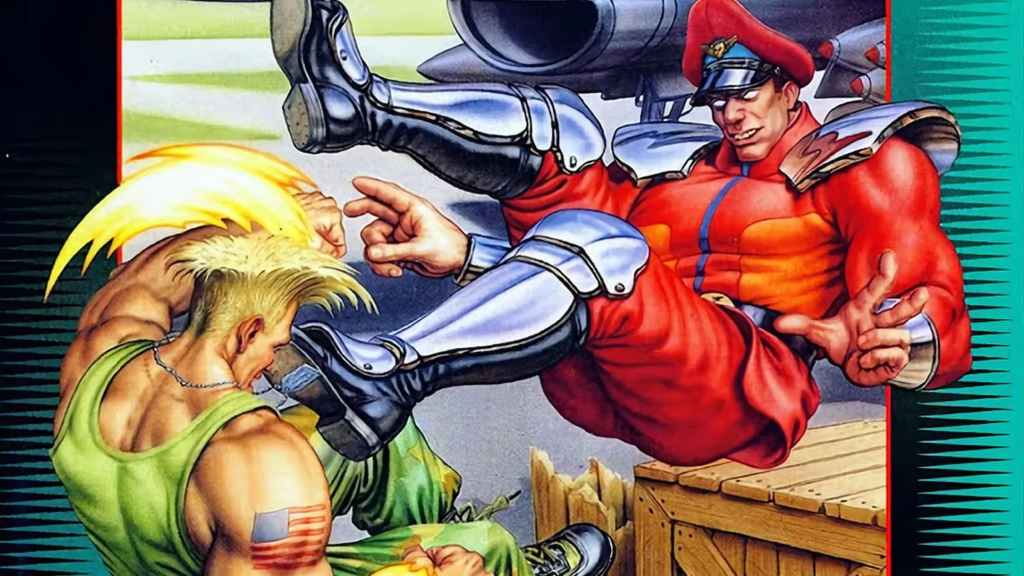
The fighting game genre would not exist without Street Fighter 2, the Capcom classic that popularized 1v1 battles between players using unique characters. Games with 1v1 combat had existed before in arcades before Street Fighter 2, but those games were largely one to two button experiences with little to no gameplay variety or depth. Street Fighter 2 changed this by creating a large cast of unique fighters, who each had their own techniques and systems independent of each other that added personality to their combat.
At the same time, combos were an accidental invention of Street Fighter 2, due to a glitch that allowed players to cancel normal attacks into various special moves. This dynamic system was born from the already complex motion inputs required for players to unleash special moves, leading to a high skill ceiling for the game that was largely unintentional. This tapped into the spirit of competition within players, leading to whole communities to form around competition within Street Fighter 2‘s one-of-a-kind engine.
Street Fighter 2 would inspire countless fighting games, from Mortal Kombat, Tekken, Super Smash Bros., The King of Fighters, and others. The game itself had multiple iterations too, expanding the roster and adding more features the fighting game genre would adopt, such as the super meter in Super Street Fighter 2. Although the many versions of Street Fighter 2 became comical at a certain point, there’s no denying how the game’s approach changed the genre forever.
4. Goldeneye 007 – First Person Shooters (FPS)
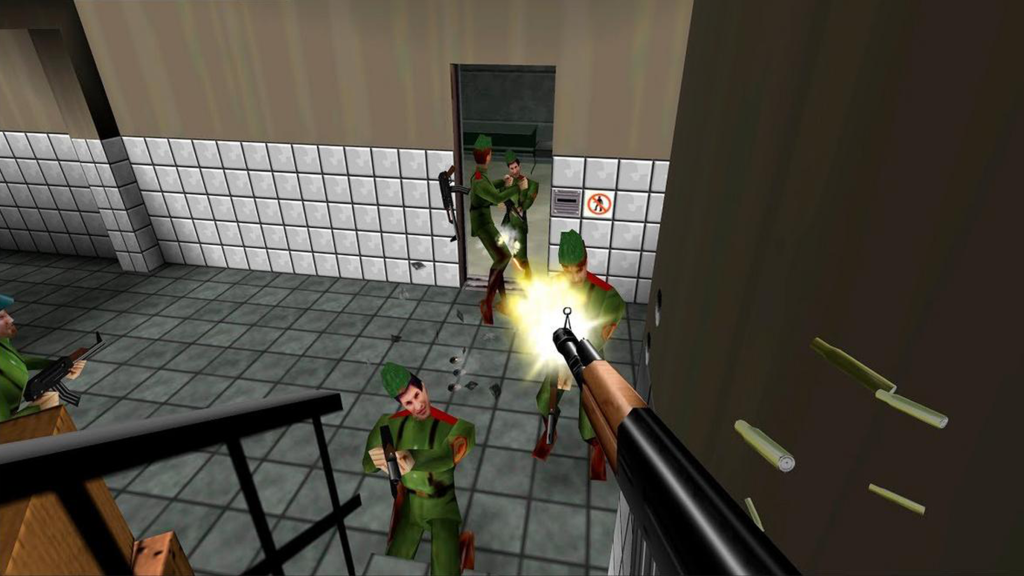
There is an argument that Doom and Wolfenstein 3D were the two games that created the First-Person Shooter (FPS) genre much like Street Fighter 2, but GoldenEye 007 is what inspired its formula. This game was meant to be a tie-in with the James Bond movie of the same name, but developer Rare took things a step further than any player could have expected. Instead of a bare bones attempt to cash in on fans of the movie, GoldenEye 007 is often considered more impactful than the film itself.
The tight gunplay of GoldenEye 007 is one reason why the game feels so good, with incredibly advanced 3D graphics for the time of its release giving the title a cinematic feel. This would be a strategy later adopted by Battlefield or Call of Duty, who would add a dramatic flair to the grounded FPS visuals of their games with cutscenes and action set pieces. Those titles would also adopt GoldenEye 007‘s excellent single-player campaign, whose levels felt varied and carried a decent story for players to engage with.
The shining star of GoldenEye 007, though, is the implementation of its multiplayer with up to four players. The split-screen competitions in this game through local play were legendary, inspiring other iconic titles like Halo for how seamless matches could be. The landscape of modern FPS competition was developed partly due to what GoldenEye 007 set up, turning gameplay once thought to be meant for solo players into something to be shared. For that reason alone, online FPS titles owe a lot to GoldenEye 007.
3. Starcraft – Real Time Strategy (RTS)
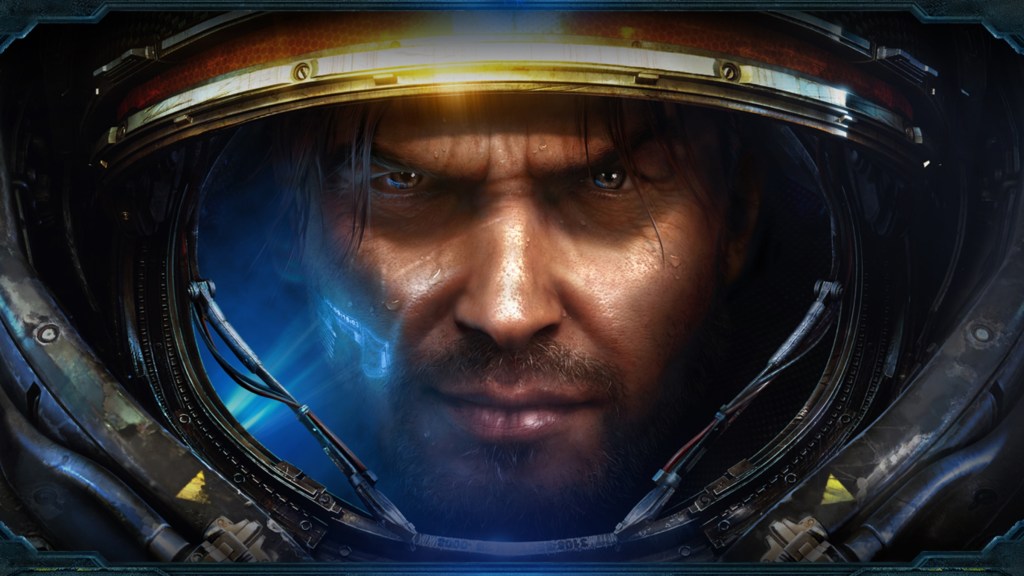
Starcraft and its sequel are arguably still the best real-time strategy (RTS) games out there, made by Blizzard Entertainment back when the genre was still rarely played. The original Starcraft revolutionized how tactical battles between player controlled armies could be fought, implementing deeply strategic micro and macro management systems that were infinitely complex and nuanced. Players today have created entire battle plans schemed around the management features of Starcraft and Starcraft 2, emulating the many masterful moves and techniques that define a historical game like Chess.
With Starcraft 2 still getting updates years later, the series proves its influence on RTS titles mainly through how unique its various factions were to control. Instead of players having to use strategies for the same units, factions each had their own play style, objectives, and strategies players had to adopt and plan for. Before Starcraft, factions from games like Command and Conquer were largely the same, so this separation opened the door for radical asymmetry in future RTS games. Also helping to pioneer esports as we know them, Starcraft is a title many players continue to compete in.
2. Castlevania: Symphony of the Night/Metroid – Metroidvania

Both Nintendo’s original Metroid (as well as Super Metroid) and Konami’s Castlevania: Symphony of the Night were two games that had little association outside of their environments. Castlevania had long been an excellent side scrolling adventure title, while Metroid‘s non-linear world maps were an interesting twist for players to explore. It was only when these series reached their pinnacle did developers realize their concepts could be combined together, giving rise to the Metroidvania fusion genre that fans love today.
Games like Hollow Knight wouldn’t exist without influence from the first Metroid, which made players back track in its world to open up new paths with powers they discover along their sci-fi adventure. By contrast, Castlevania: Symphony of the Night perfected the idea of exploring a sprawling Dracula’s Castle, with players able to adjust their play style as they progressed with new powers and abilities. This idea of unlocking more of the game as you went through it was present in both titles, with Symphony of the Night in particular highlighting it with a gothic tale and art style.
Symphony of the Night simply did everything right, creating a world that felt like it evolved with the player as they grew stronger in their fight against Dracula. Metroid was similar in this regard, even if its tone was completely different from the Castlevania title. The bold direction of a living, evolving atmosphere for players to explore dynamically is what makes the Metroidvania genre so compelling, but it could not exist without both titles’ influences.
1. Final Fantasy 7 – RPG
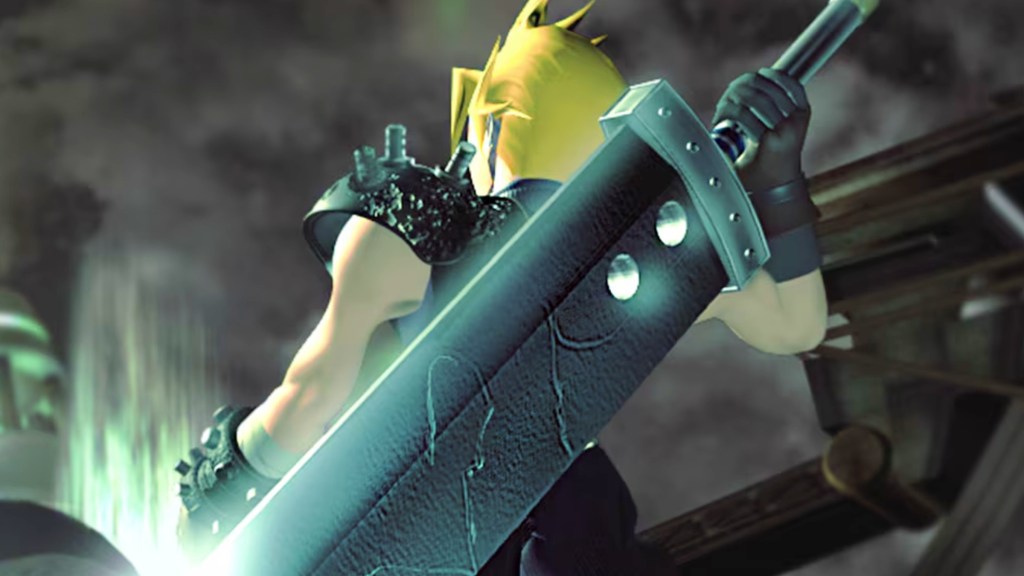
What more can be said about Final Fantasy 7‘s influence that hasn’t already been said? This game has everything that modern RPGs have adopted, whether it’s a faster, nearly real-time approach to turn-based action or the simpler approach to party building mechanics than its contemporaries. FF7‘s roster of characters are instantly memorable, with everyone having their favorite from a compelling story built from a striking world. Unlike past Final Fantasy titles, FF7 dropped medieval fantasy in favor of steampunk futurism, creating a world that, at the time, felt closer to our own.
Instead of complex job systems and restrictive traditions from series like early Dragon Quest or Final Fantasy itself, FF7 broke the mold by making everything far more accessible. For example, Materia was a simple item you could use to grant your characters spells, with nothing more complicated than slotting a Materia onto whatever party member you wanted. This did nothing to take away from the challenge of the game, which has some of the best boss fights in the series. Not to spoil a 29 year old game, but FF7 also created plenty of intense, emotional moments.
All types of RPGs have been impacted by this title, whether it’s through the creation of more action in turn-based combat to the overall presentation of the genre to players through a more cinematic lens. With the overwhelming popularity of the Final Fantasy 7 games now through their remake trilogy, the influence of this game is continuing multiple decades after its release.
More Gaming
-

Image Courtesy of Ubisoft -

Image Courtesy of Dotemu -
Courtesy of Electronic Arts -

Image Courtesy of Electronic Arts -

Courtesy of Arkane, Bethesda Studios, and Marvel Games