Since the early days of gaming, consoles and games alike have seen massive leaps forward. But not every new idea has found its footing. Though there are plenty of great innovations in the world of gaming, there are also quite a few notorious failures. Yet weirdly, the last few years seem to be bringing quite a few failed gaming experiments back for round two. Nintendo’s Virtual Boy made a surprise return, with the Steam Machine soon to follow. And they’re not the only idea that was perhaps just a bit before its time.
Videos by ComicBook.com
When I think about failed gaming experiments, there are a few factors to consider. Of course, commercial failure is the key metric that gaming companies will focus on. But there’s also general player reception to consider. Did players like the thing, even if it didn’t sell well? In the case of these 5 failed gaming experiments, both commercial and fan reception were mid at best. But weirdly, some are potentially poised to make a comeback.
5) Nintendo Wii U
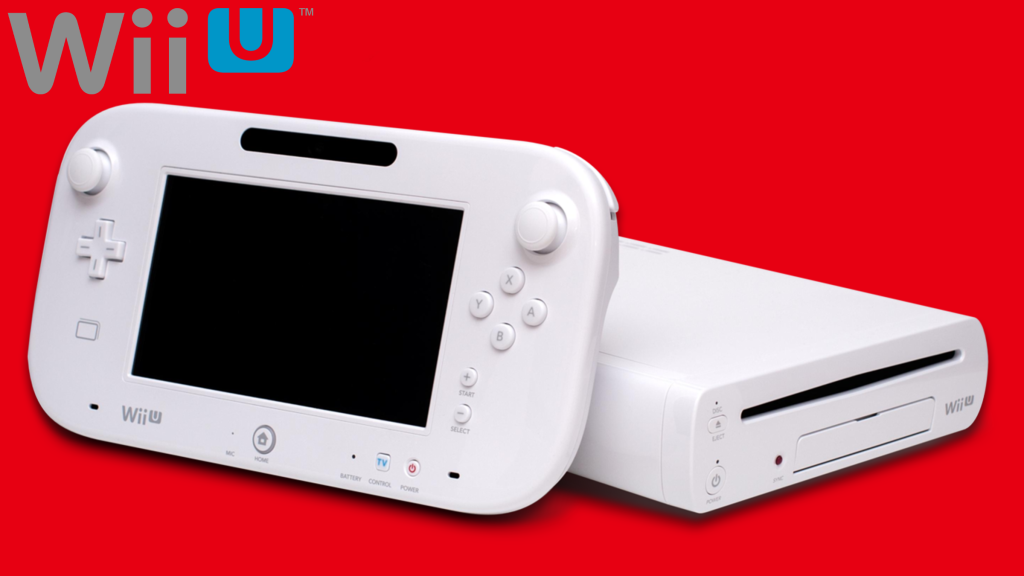
Nintendo has long been the king of handheld gaming. Yet even Nintendo has put out its fair share of failed experiments. Few are as notorious as the widely hated Wii U, which was released in 2012. The console started off on the wrong foot thanks to its name. With the Wii already a household name after six years on the market, the Wii U didn’t sound different enough. Rather than set it apart as a new console, the name made it seem like an upgrade or add-on to the Wii. As such, it went on to be a big commercial failure.
The Wii U may have been a failure, but it is a pretty clear precursor to the far more successful Nintendo Switch in several ways. Its unique GamePad had a touchscreen that let you play games directly on the controller, making it an early attempt at a hybrid handheld and home console. The Nintendo Switch’s ability to pivot between docked console and handheld modes is a testament that this initial idea wasn’t a bad one. It was just poorly implemented and poorly marketed. This, along with overall poor hardware that resulted in limited support for third-party games, has landed the Wii U a place in the gaming failure hall of fame. But we did get the Switch and Switch 2 out of it.
4) Xbox Kinect
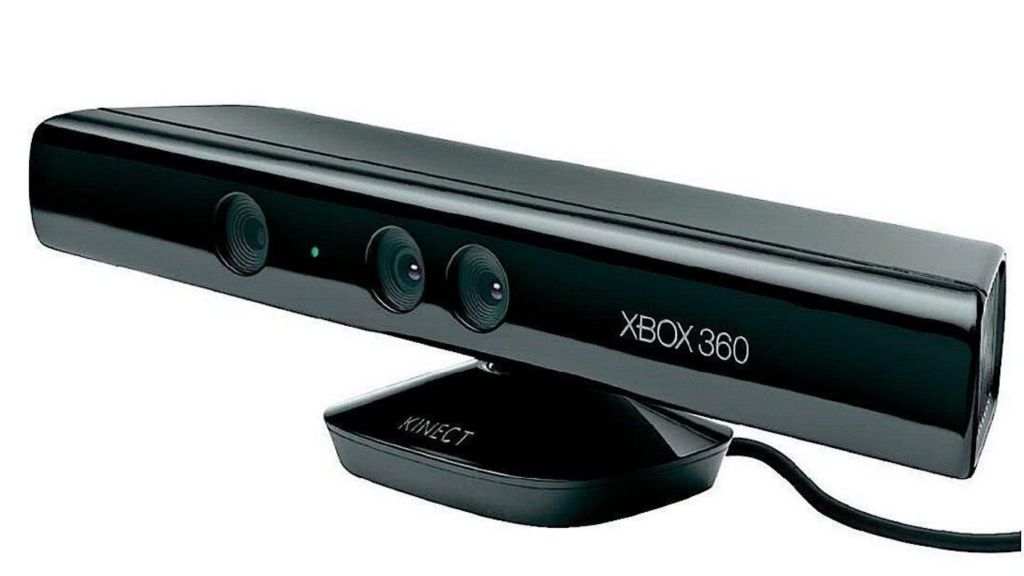
The Xbox Kinect was Microsoft’s attempt at motion capture gaming. It’s often widely remembered as a massive commercial failure, and it’s safe to say the tech never caught on as much as Xbox ight have hoped. However, sales numbers weren’t quite as bleak as some of the other gaming fails on this list. By the time the Xbox 360 product line was discontinued, the Kinect sold 35 million units. That’s not bad, but it’s less than half of the number of Xbox 360 consoles on the market, so it hardly became a must-have.
The Kinect’s bigger issue was that it just never really found a compelling use case. It had relatively few games that truly made use of the tech. More tactile, reliable motion sensors like those for the Nintendo Wii simply proved more popular and had more games to make them seem worthwhile. The final nail in the Kinect’s coffin was Xbox’s decision to bundle it with the Xbox One at launch. Since many people saw no need for the Kinect, it just made the Xbox One more expensive without getting the buy-in Microsoft wanted. So, the Kinect was ultimately abandoned along with Xbox’s efforts to include motion controls in its games.
3) Pokemon TCG e-cards
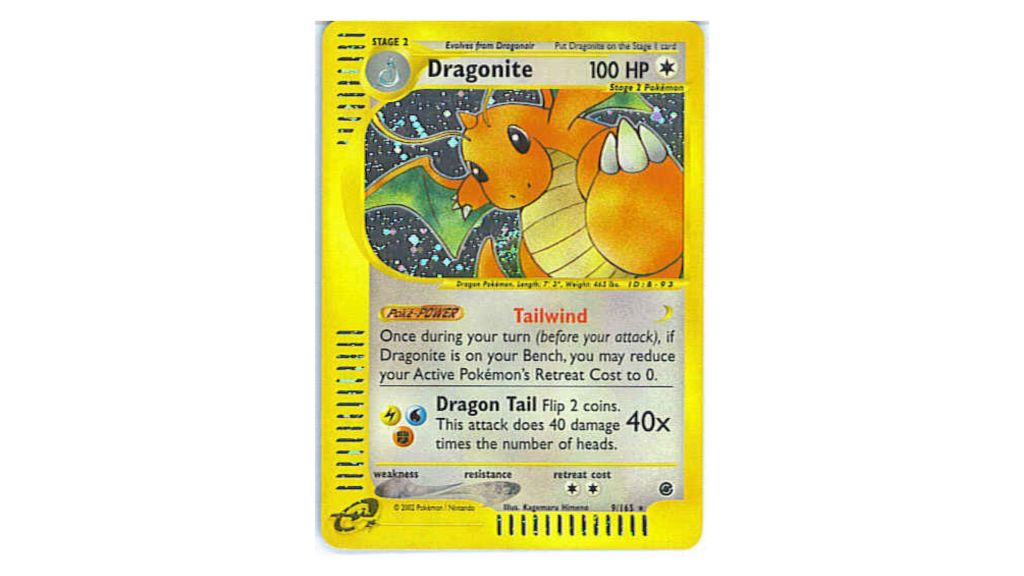
Remember e-cards? I sure didn’t, until I recently had cause to think about them when the Dragonite card from the Expedition expansion broke its prior sales record. This was an early attempt to combine physical Pokemon TCG with the digital world. In many ways, I think this idea was just before its time. Because e-cards were introduced in the pre-smartphone era, they could only be scanned with an expensive add-on for the Game Boy Advance. That made them less accessible than a similar idea would be in 2026.
But there was another problem that led to the quick end of the Pokemon TCG e-card era. To put it simply, they were ugly. The design featured a huge yellow barcode on the side and bottom of every card. This new look wasn’t popular with fans, who preferred the old card design. Given that few people wanted to buy the Game Boy Advance e-reader to use the barcodes, the unpopular designs were quickly discontinued. I don’t think we’ll see e-cards return to the TCG any time soon, but we do now have digital cards in the form of games like Pokemon TCG Live and Pokemon TCG Pocket.
2) Steam Machine
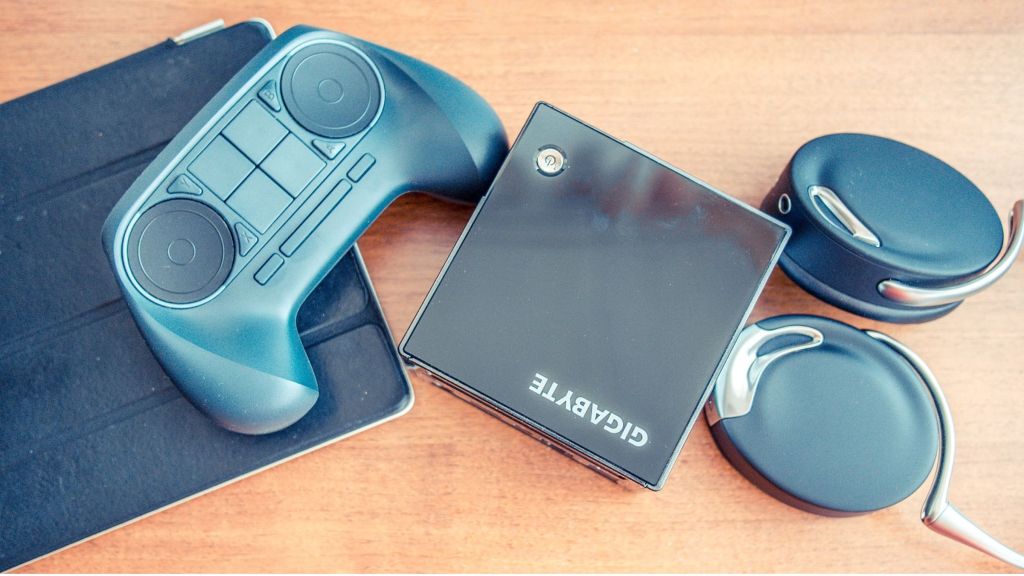
Many gamers were surprised last year when Valve announced it was bringing back the Steam Machine. And there’s a good reason for that. The original Steam Machine, which released in 2015, is one of the most well-known failed experiments in gaming history. Like the new iteration, the first Steam Machine was a small form factor gaming computer that ran SteamOS. It suffered from a confusing pricing model, but its limited game library and operating systems were the biggest hurdles. The Steam Machine was discontinued after just 3 years due to poor sales.
Although the high price of RAM is likely going to hinder the return of the Steam Machine, I can see why Valve wants to try again. Compared to 2015, the library of games available on Steam has expanded almost exponentially. This makes the idea of a dedicated gaming computer for Steam games much more appealing than it was 10 years ago. SteamOS has also come a long way, making it likely that the new Steam Machine will run far better than its predecessor. But even with an improved use case and better, streamlined tech, price is very likely going to be a sticking point once again.
1) Virtual Boy
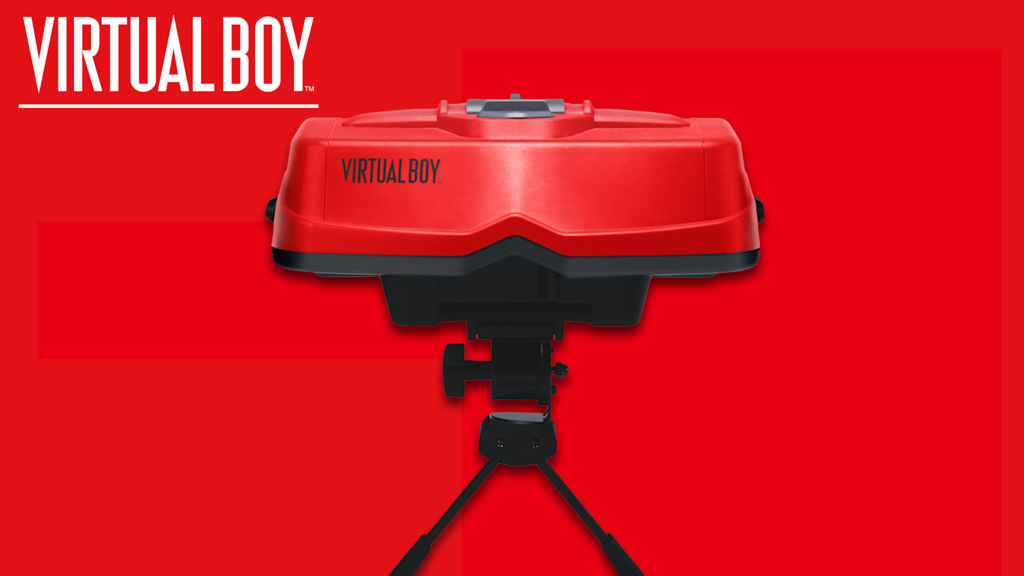
Even more than the Wii U, the Virtual Boy is arguably one of Nintendo’s biggest missteps in recent memory. Released in 1995, the Virtual Boy is an early attempt at VR gaming. Its 3D graphics and attempt at immersion through the eyepiece were its key selling points. But its visually unappealing and unwieldy design didn’t do it any favors. It wasn’t truly portable but also lacked the power of a home console, and it wasn’t very comfortable to use for a long time, either. It was also pretty expensive for the time, priced far above the more popular Game Boy. The Virtual Boy was such a commercial failure that Nintendo discontinued it after only a year on the market.
Despite the notorious failure of the original Virtual Boy, Nintendo surprised gamers by bringing it back earlier this year. The 2026 rendition of the Virtual Boy is an accessory for the Nintendo Switch and Switch 2, designed to let gamers revisit its 22-game library via the Nintendo Switch Online service. It is available as a full replica of the original or a cheap, cardboard version. As an accessory, the new Virtual Boy has proved more popular. In fact, it sold out shortly after release, likely due to the sheer novelty of its small retro library. Having tried it out at a Nintendo event, I can confirm it’s sadly not any more comfortable to use now than it was back then.
Did you ever own any of these failed gaming experiments? Leave a comment below and join the conversation now in the ComicBook Forum!