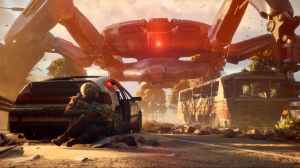
When it comes to Destiny 2, there are many accounts on the game’s decline, eventually leading to its shutdown from Sony in 2026. However, players involved in the live service title’s community will tell you that the problems surrounding Destiny 2 were established early, and never quite got fixed despite years of solid attempts. Compared to the comeback success of the first game in the series, the disappointment players felt around the sequel’s release is still hard to imagine unless you were there.
Videos by ComicBook.com
The height of the Destiny franchise likely came with The Taken King expansion in the first game back in 2015. This was the pinnacle of the raid mechanics, endgame, and overhauled systems of Destiny, whose rough launch took some time to correct too. However, Destiny 2 wasn’t quite so lucky, with mismanagement and underwhelming expansions never reaching The Taken King‘s appeal among players who had stuck with the series through thick and thin.
Unpopular System Changes & Lack Of Build Variety Made Destiny 2 Feel Watered Down Upon Release
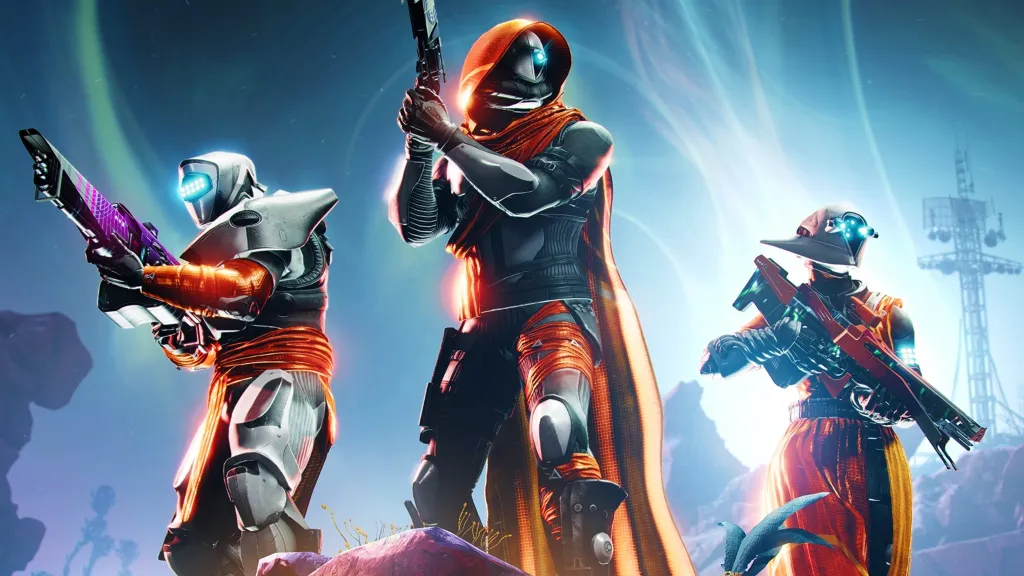
Destiny 2 came out the gate with a number of modified twists on classic features from the first game, especially when it came to weapons. In the sequel, players could no longer equip two primary weapons in various slots, instead only being able to have one heavy/power slot for their character builds. At the same time, weapon drops were homogenized, with incredibly similar and static effects instead of randomized perks that made gun hunting fun in the predecessor. Classic “god rolls” for various weapons were removed too, making endgame grinds less interesting in many ways.
Weapons weren’t the only issue, though, as player creativity was also stifled through a lack of subclass variety between roles in Destiny 2. Due to super moves and other cooldown abilities taking longer to recover, players were forced into a more generic FPS experience rather than the power fantasy that set Destiny apart from other games in the genre. Instead of reality-warping skills and deadly sci-fi techniques, players were more reliant on standard run-and-gun gameplay that existed in nearly every other FPS on the planet.
Other features and modes from Destiny‘s past were toned down too, including the Crucible and Raids. Players in Destiny 2 could not select what specific Crucible mode they wanted to play, nor could they replay story missions they wanted to go back to. The baffling restrictions on PvP was partly due to the weapon changes, feeling less engaging since players couldn’t personalize their arsenals more. Rampant monetization and live service problems also combined with subpar netcode, making the online experience abysmal.
New Player Experiences Were Made Worse By Live Service Systems That Never Quite Went Away
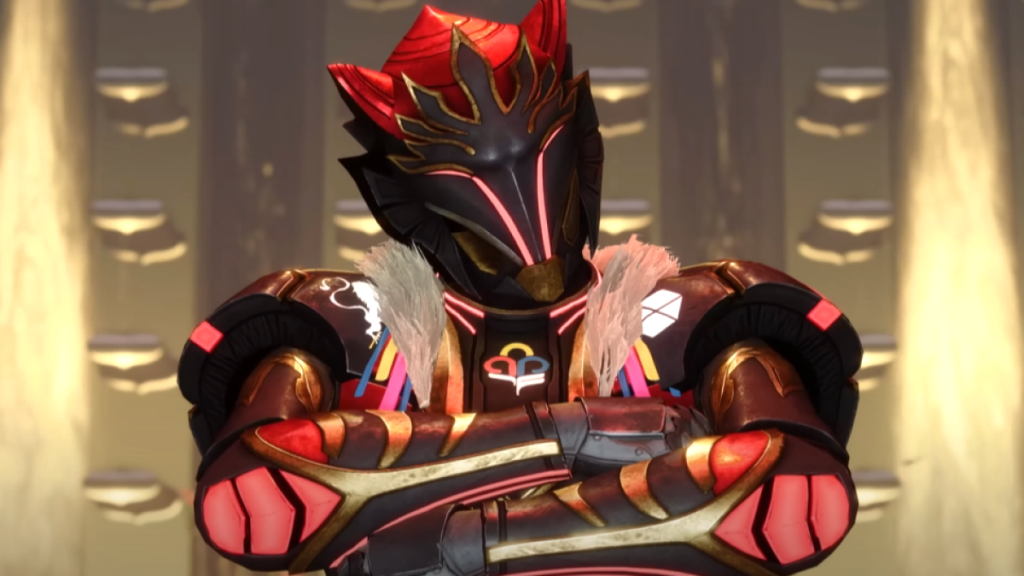
The stale nature of Crucible and endgame content in Destiny 2 following its release was bad for veteran players, but new players also had a terrible time navigating the title. Everywhere you went in Destiny 2, there was some form of monetization, outside of just paying for expansions when they came out. There wasn’t much quality-of-life when it came to engaging with live service systems, as their complexity made it unclear what players could or couldn’t do most of the time.
This is a problem that has only persisted as time has gone on, as Destiny 2‘s current state doesn’t onboard players very well either. Multiple expansions have only added more live service features, from Dungeon Packs to Transmog features that aren’t quite intuitive. Despite a number of gamplay overhauls, Destiny 2 still feels like a game constantly trying to get players to spend real-world money for the “true” experience.
Fixes In The Years Following Destiny 2’s Launch Addressed Several Issues, But Not Before The Audience Was Gone
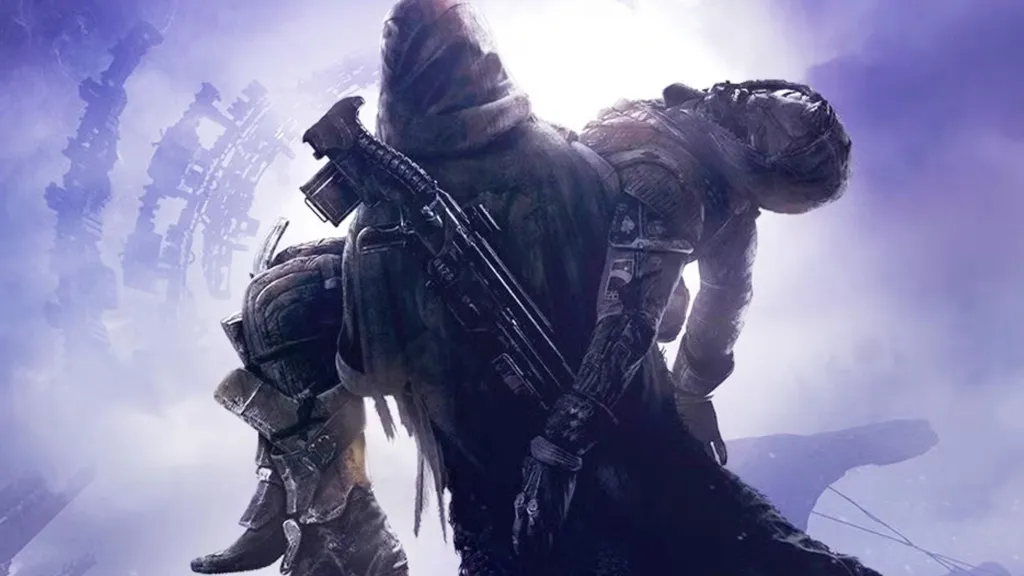
To its credit, Destiny 2 did get much better in the years close to its release, reversing the awful weapon slot changes that alienated so many players. Eventually, everyone could have their favorite weapons in two slot builds again, with a new weapon crafting system bringing back variants players could hunt for. Other quality-of-life additions made player loadouts feel more dynamic, especially with a general overhaul of the game’s subclass system. Known as “Subclass 3.0,” character roles were entirely reworked to be more exciting and diverse, with bad management loops being replaced by creative options.
Although one of the worst game launches dropped off many players from the game, expansions helped it grow back and reclaim some veterans who had quit. Yet, the token based loot systems and limited rewards of the game remained, keeping the live service features that still rubbed players the wrong way. Yearly Seasons and content drops seemed to be exhausting, while the quality of expansions dropped exponentially as time went on. Eventually, the severe bottlenecks to content and stagnation of interesting innovations to Destiny 2 ultimately led to its downfall.
Even with a small comeback, players who had seen the game at launch may have predicted that Bungie’s sequel wasn’t going to last forever. The monetization was always oppressive, and as the bugs and performance problems grew alongside uninteresting expansions, players just stopped forgiving. The history of Destiny 2 is one full of poor decisions, but perhaps its release should have been a sign that its problems would follow it until its end.
More Gaming
-

Courtesy of Paramount Pictures / Titmouse -

Image Courtesy of Kwalee/New Blood Interactive/DreadXP -
Courtesy of Bandai Namco