The FPS genre has seen many different innovations over the last decade or two, with popular series like Call of Duty or Battlefield continuing to evolve over time. However, another shorter lived series provided incredibly fresh ideas to its gameplay that those franchises have not matched, despite their adoption of them. Unlike realistic and gritty war simulations, the sci-fi influences of one FPS reminds players what title set up the cornerstone of many game systems they experience today.
Videos by ComicBook.com
The struggles of Battlefield 6, Call of Duty Black Ops 7, and Halo: Campaign Evolved have shown a general frustration audiences have with some FPS games out right now. This is partly due to creative backlash, sometimes tied to monetization systems in those titles. Yet, the “modern” FPS has widely well-received gameplay, with concepts tied to high-speed mobility and fast-paced firefights that were not introduced by a major series.
Titanfall Released 12 Years Ago With High-Speed Firefights & Immersive Mech Warfare
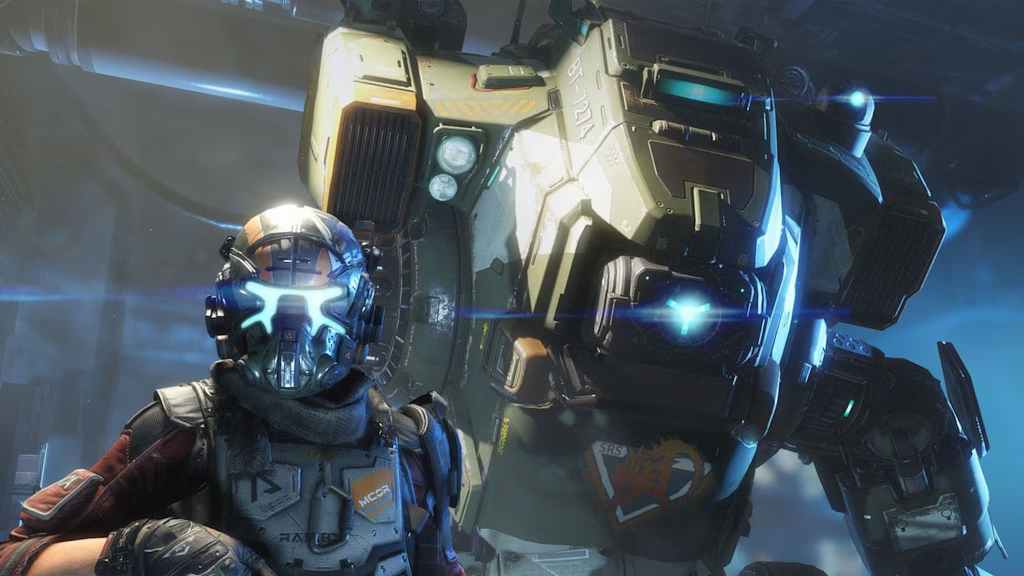
March 11 marks the anniversary of Titanfall, one of the most beloved FPS titles in the genre along with its sequel, Titanfall 2. These games are the pinnacle of mobile action shooters, allowing players to perform omnidirectional movement for complete freedom while traversing a battlefield. That being said, the signature mechanic of Titanfall is, of course, the dropping of giant mech Titans who battle each other in explosive duels.
In 2026, Titanfall will turn 12 years old, but it’s hard to describe just how loved both this game and its sequel truly are. Titanfall and Titanfall 2 have attributed much of their success to the immersive and speed of each title, transforming and advancing the technology behind FPS games themselves. The pilots of mech Titans in Titanfall are just as impressive as the huge suits of armor, gliding alongside walls, performing superhuman leaps and bounds, and sliding in every direction to challenge other players.
Pilots in Titanfall have the capability of sabotaging Titan mechs, while using an impressive arsenal of sci-fi weapons to take down opponents. The Titans are also incredibly fascinating, with each type of mech suit having unique abilities and weapons exclusive to it. Match-ups between specific types of Titans were spectacles to behold, with some using powers to stop huge bullets and others pulling out swords to cut down other targets.
The multiplayer matches of Titans vs Titans, Pilots vs Pilots, and Titans vs Pilots all happened simultaneously, creating a barrage of action at every step. Although Titanfall 2‘s single-player campaign has a better story from a writing perspective, the original game’s isn’t bad. When compared to the narratives of some Call of Duty titles, Titanfall’s world is far more immersive to jump into. Everything in Titanfall never overstayed its welcome either, as the grinding systems were minimal, and downright non-existent compared to FPS games today.
Systems From The Original Titanfall Would Inspire Many Different Series To Innovate
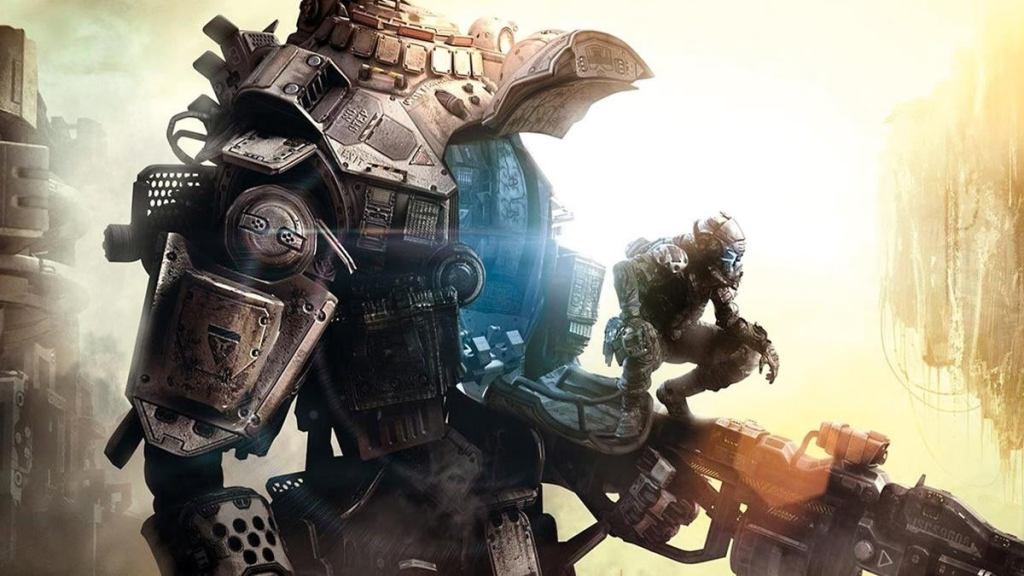
Although not perfect by any means, the original Titanfall had a core gameplay that was leaps and bounds over other titles. The fast-paced nature of Titanfall would later be seen in games like Call of Duty: Black Ops 3 and Black Ops 6, with vertical combat being prioritized more in the popular series. Other FPS juggernauts would also adopt the high speeds of Titanfall, leading to games like Doom: Eternal, Wolfenstein: The New Order, or Battlefield 6 to ramp up their movement mechanics.
Titanfall would indirectly inspire a lot of other great FPS titles over the years, especially as Titanfall 2 raised the bar further. Modern hits like Helldivers 2 and Ultrakill probably wouldn’t have figured out their quirks without Titanfall‘s first experimentation. Titanfall‘s developers, Respawn Entertainment, even took many of the lessons from Titanfall into Apex Legends, a live service title that still racks up nearly 100,000 players regularly on Steam.
Besides Its Sequel, Other FPS Titles Have Struggled To Catch Up To Titanfall’s Appeal
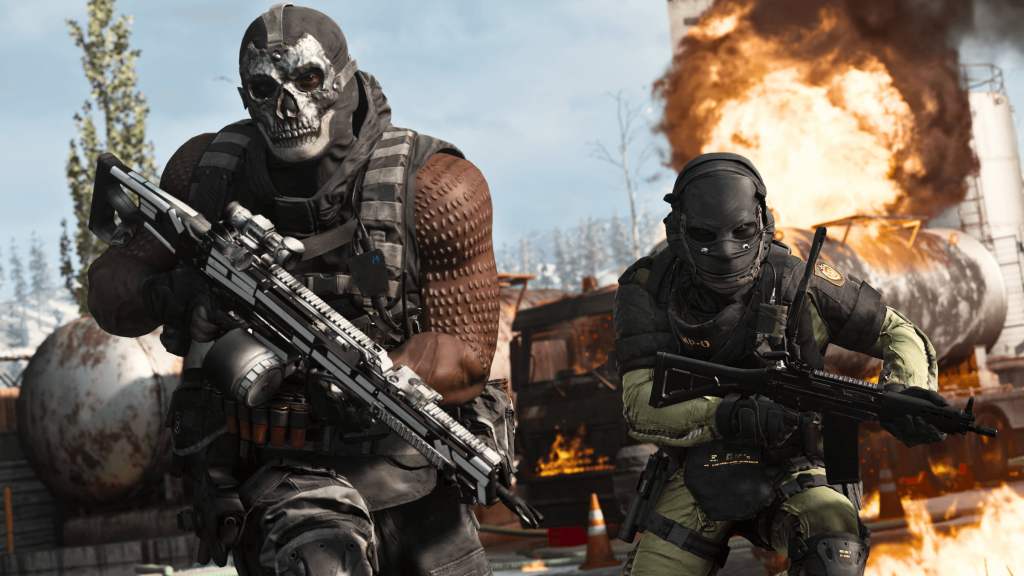
Despite the adoption of Titanfall‘s features in their series, the struggles of recent FPS titles shows how rare Titanfall and Titanfall 2‘s widespread appeal was. This could be due to the sci-fi aesthetic of Titanfall, as the existence of massive mechs you can pilot and customize is a dream come true to many players. But other aspects, like the organized multiplayer and unobtrusive gameplay systems of Titanfall might also contribute to why no one has really re-captured its praises.
Even as recent as 2023, players have flocked to Titanfall 2 for its anniversary events, with a strong player base continuing to desperately pray for a sequel regularly. The constant yearly Call of Duty releases, paired with bad monetization practices, have caused many “modern” FPS games to lose that sense of identity that players got with Titanfall. As a result, it feels like a much stronger FPS today when paired with recent contemporaries, even if it isn’t a stronger package through a sheer amount of content.
In an era of similar live service experiences and battle royale clones, Respawn’s original FPS feels like something truly unique. As Titanfall comes up on its 12th Anniversary, it’s easy to see why its sequel has become a cult classic, rivaling even juggernauts in its genre.
What are your thoughts on the original Titanfall and Titanfall 2? Leave a comment below or join the conversation in the ComicBook Forum!
Most Viewed
-
Image Courtesy of DC Comics -

Image Courtesy of MAPPA -

Official art by Bastien Lecouffe-Deharme