Live service multiplayer games usually follow a familiar trajectory. A strong launch fuels excitement, streams and social media buzz spike, and player counts surge. Then, almost inevitably, interest begins to taper off as the next big release arrives. Even games with solid foundations often struggle to maintain momentum once that initial wave of curiosity passes, especially in genres built around long-term engagement.
Videos by ComicBook.com
Yet, Arc Raiders breaking that pattern is what makes its current success so striking. Months after launch, the game continues to retain a remarkably large portion of its player base, with concurrent Steam numbers still hovering close to its all-time highs. For a PvPvE multiplayer game, this level of consistency is extraordinary. Instead of fading into the background, Arc Raiders has managed to hold attention in a space where player drop-off is ruthless and unforgiving. Its continued popularity is not the result of a single viral moment, but of a game that keeps giving players reasons to return.
How Arc Raiders Keeps Players Coming Back
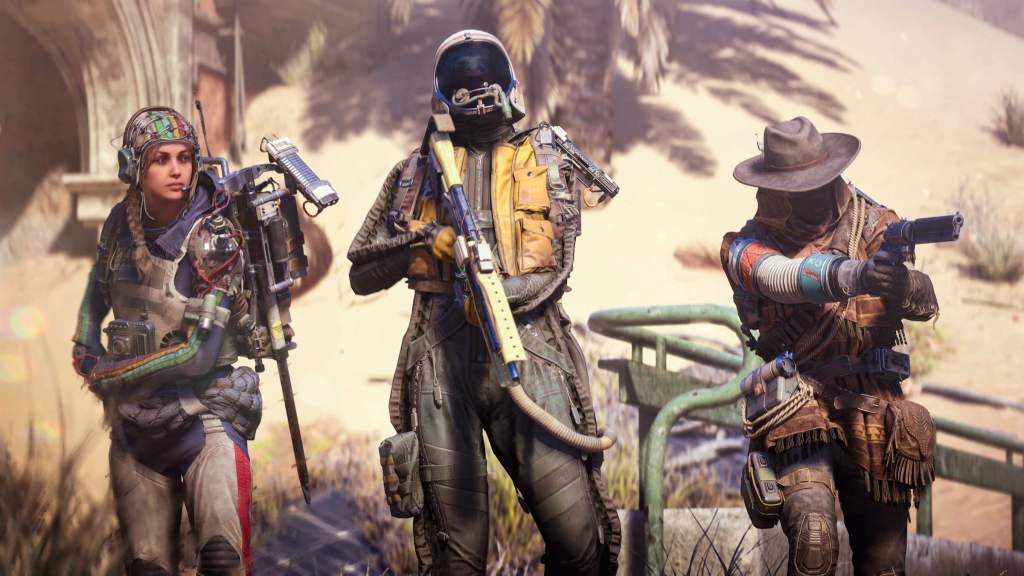
Arc Raiders succeeds because its core gameplay loop remains engaging long after the novelty wears off. Each drop into the world carries a level of genuine tension, whether you are scavenging for valuable resources, navigating hostile machines, or deciding whether to extract or push deeper. That constant sense of risk keeps every session feeling meaningful and different, even for experienced players who understand the systems inside and out.
The game also excels at pacing. This part is extremely important. Arc Raiders does not overwhelm players with excessive menus, complicated progression paths, or constant pressure to grind. Progress feels nice and steady, rewarding your time without demanding endless play.

As a new player, you can jump into Arc Raiders today and have a solid grasp on how the core game works. It is highly intuitive despite being somewhat complicated with all its moving parts, and this is easily the game’s biggest advantage. You can jump in for a brief session and still feel like you accomplished something, or settle in for longer play sessions without the experience becoming exhausting. That flexibility makes Arc Raiders easier to return to, rather than something that feels like an obligation.
Another key factor is how well Arc Raiders respects player decision-making. Success is partially dictated by pure luck, but much of it is also due to a player’s awareness. Smart positioning, careful resource management, and knowing when to disengage often matter more than raw mechanical skill, meaning you don’t need to be a godly player to see results. That balance allows a wide range of players to feel capable and invested, which is critical for maintaining a healthy long-term audience.
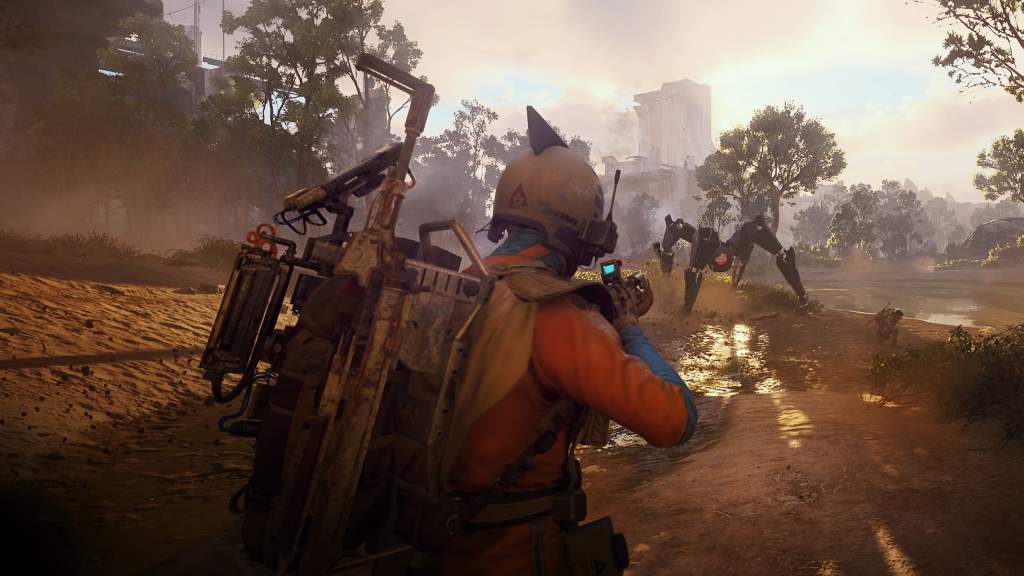
The community surrounding Arc Raiders has also played a significant role in its staying power. Discussions usually come in one of two flavors: focused on strategies, discoveries, and shared experiences, or focused on incredible amounts of frustration, particularly at the stark disparity between PvE and PvE-focused players. In both cases, the discussion is intense, which suggests a level of care that is very healthy for maintaining a healthy player base. When a multiplayer game fosters that kind of collaborative atmosphere, retention becomes much easier to sustain.
Why PvPvE Games Usually Struggle With Retention
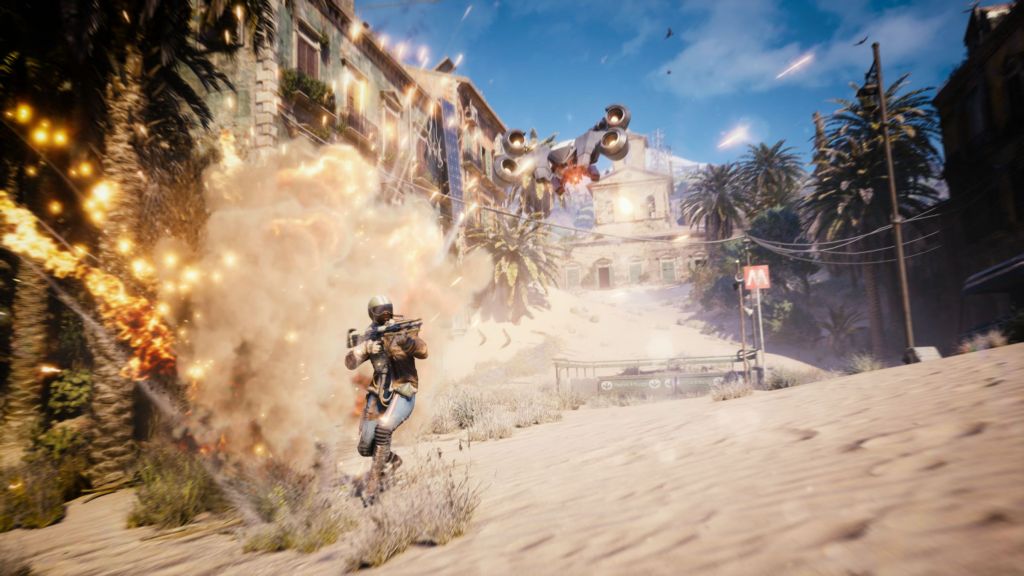
PvPvE games have historically struggled to keep players engaged for long periods, largely because of how difficult the format is to balance. Mixing player-versus-player combat with environmental threats often creates conflicting priorities. Competitive players may feel slowed down by AI encounters, while PvE-focused players can feel unfairly punished by sudden human interference.
Progression systems are another common stumbling block. Many PvPvE titles rely heavily on grind to extend their lifespan. Early progression feels exciting, but over time, it can turn repetitive and exhausting. Once players feel that advancement requires too much effort for too little reward, interest begins to drop, and player counts soon follow. Arc Raiders shines here because nothing in the game is super difficult to obtain, but this is balanced by still requiring you to put in effort to obtain rarer items. That, and much of the game’s rare loot is obtained through pure RNG, meaning a short session can still be highly rewarding.
There is also the issue of emotional fatigue. PvPvE games frequently lean into high-stakes loss mechanics, where failure can erase significant progress. While tension is important, too much punishment can discourage long-term play. When losses feel arbitrary or overly harsh, players are more likely to disengage rather than push through. Arc Raiders deals with this by allowing free loadout runs, and because loot isn’t majority difficult to obtain in the first place.
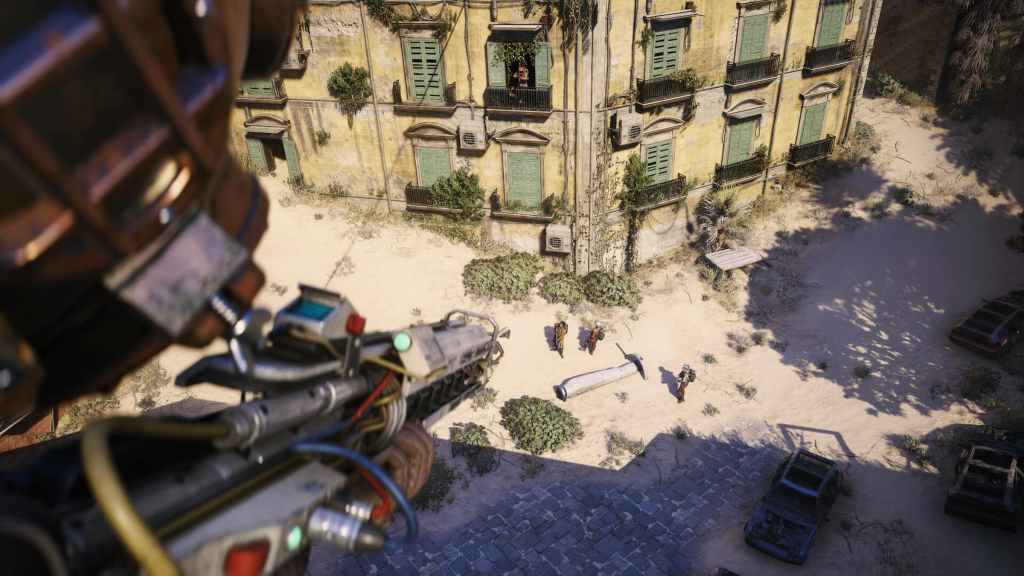
Arc Raiders manages to avoid these pitfalls by striking a careful balance. Losses carry weight, but they rarely feel unfair or permanent. Victories feel earned without requiring excessive grind. Systems are deep enough to reward mastery, yet clear enough to remain approachable. That balance is difficult to achieve, and it explains why Arc Raiders has resisted the steep retention decline that defines much of the genre.
By delivering consistent tension and meaningful progression, Arc Raiders has positioned itself as an outlier in the live service space. Sustaining high engagement months after launch is not something most PvPvE games manage to accomplish. Arc Raiders has proven that strong design and player trust can be more powerful than hype alone (even though it had plenty of that, too).
What do you think? Leave a comment below and join the conversation now in the ComicBook Forum!
Most Viewed
-

Sony Pictures -

Image Courtesy of Marvel Comics -

Image Courtesy of HIDIVE -

Image courtesy of The Pokemon Company -

Image Courtesy of Netflix -

Image Courtesy of Marvel Studios