Bethesda Game Studios has spent the better part of a decade testing the patience of its most loyal fans. When The Elder Scrolls 6 was first teased, excitement was immediate and overwhelming. Skyrim had become a cultural fixture, rereleased endlessly and still widely played years later. Naturally, expectations for the next chapter were sky high. What followed instead were long stretches without updates, and a growing sense that the announcement came far too early.
Videos by ComicBook.com
That frustration is now colliding with Bethesda’s latest messaging, which confirms what many players already feared. The Elder Scrolls 6 is still a long way off, and Bethesda has no intention of rushing it. While that news has reignited backlash, the reality is that this slower approach may be the smartest move the studio has made in years. After the underwhelming reception of Starfield, taking extra time is more than reasonable, even if the franchise’s greatest fans don’t want to admit it.
Why Waiting Might Mean a Better Elder Scrolls Game
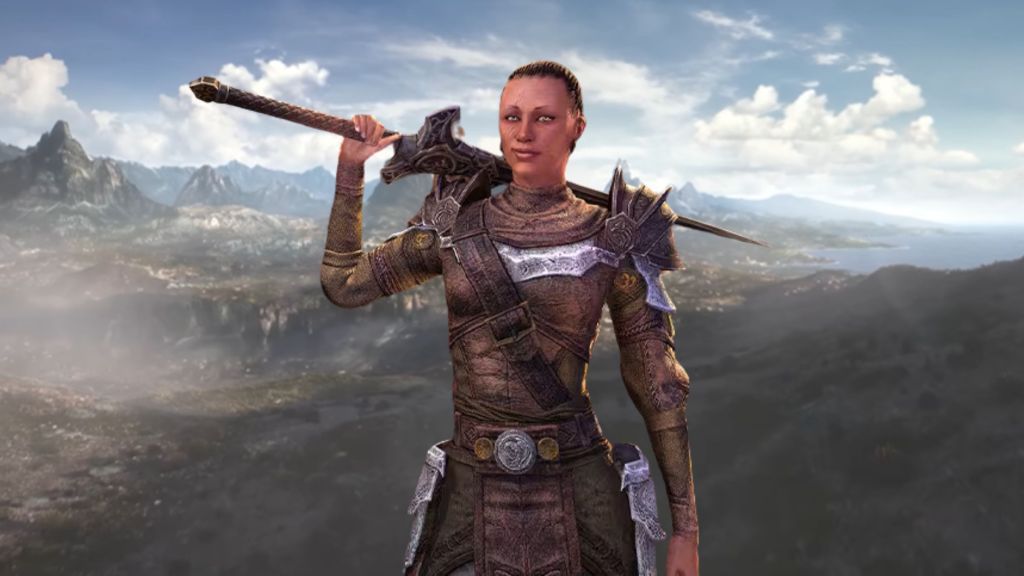
Bethesda has made it clear that The Elder Scrolls 6 is being built deliberately, with extended pre-production and a heavy focus on long-term quality. That is not exciting news for fans desperate for trailers or release windows, but it does signal a much-needed shift in priorities. Instead of pushing a massive RPG out to meet expectations, the studio appears committed to making sure the foundation is solid before anything else.
That approach feels like a direct response to how Starfield landed. The game was positioned as a major evolution for Bethesda and hyped beyond all possible belief. Finally, the space game in everyone’s imagination would become reality. It was a fresh universe that would redefine what the studio could do.

Unfortunately, when Starfield was released, the reaction was mixed at best. While it had moments of brilliance, many players found it repetitive thanks to a number of extremely questionable design decisions that killed the immersion faster than any single bug could. In short, it lacked the sense of wonder that Bethesda worlds are known for, despite taking place in a galaxy full of planets. The gap between hype and reality was impossible to ignore.
For The Elder Scrolls 6, Bethesda cannot afford that same disconnect. This franchise carries far more weight and nostalgia than Starfield ever did. Rushing it would risk damaging a legacy that has taken decades to build. Taking extra time allows the studio to hopefully recapture the sense of bewilderment that made earlier entries so beloved. The wait may feel endless, but a better game is the only outcome that actually matters.
Starfield Was the Wake Up Call Bethesda Needed
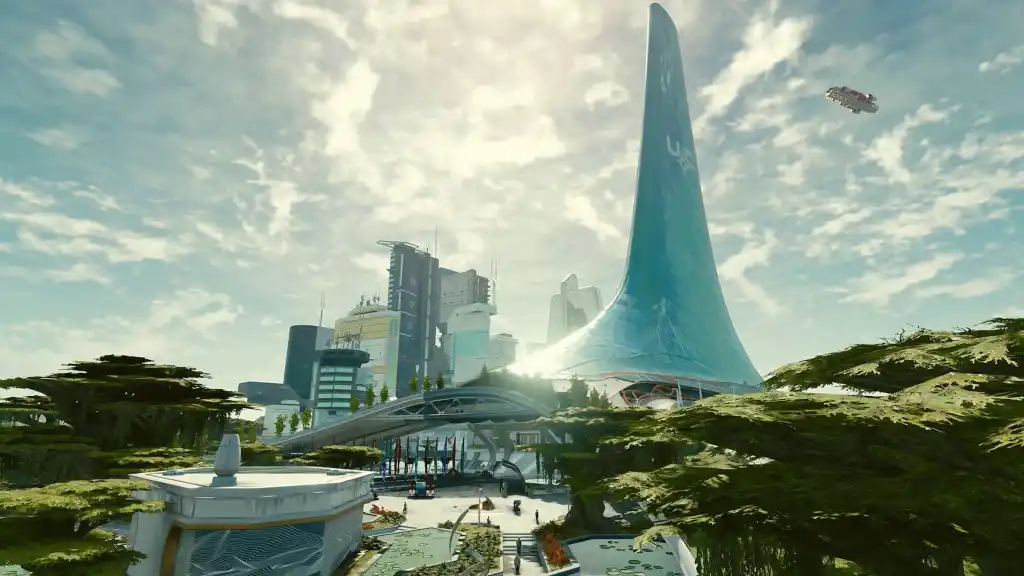
The disappointment surrounding Starfield still hangs over every conversation about Bethesda’s future, and has done so since the game’s release. It was not a terrible game, but it failed to live up to its own ambition on so many metrics. Exploration was highly fragmented, and as a result, the experience never quite matched the promise of its marketing. For many players, it was the first time Bethesda’s formula felt dated instead of timeless.
That reaction likely forced some hard internal reflection. Bethesda is no longer operating in a landscape where players automatically forgive rough launches and missing features. Expectations are higher, and competition is stronger these days. The gaming populace has much less patience or tolerance for incomplete products being sold at a premium price tag. Another release that lands as merely acceptable would not be enough, especially for something as important as The Elder Scrolls 6.
By slowing down and resisting the urge to show the game too early, Bethesda is choosing caution over spectacle. The so-called “heads-down” approach. This means fewer flashy reveals and more quiet development, which can feel frustrating from the outside. However, it also means the studio has room to course-correct without publicity stepping on its toes for the most minor of mistakes. This lets Bethesda quietly improve its tools and ensure the final product feels cohesive rather than cobbled together. If Starfield taught Bethesda anything, it is that ambition alone is not enough to impress any longer.
Why Fans Hate This and Why It Still Makes Sense
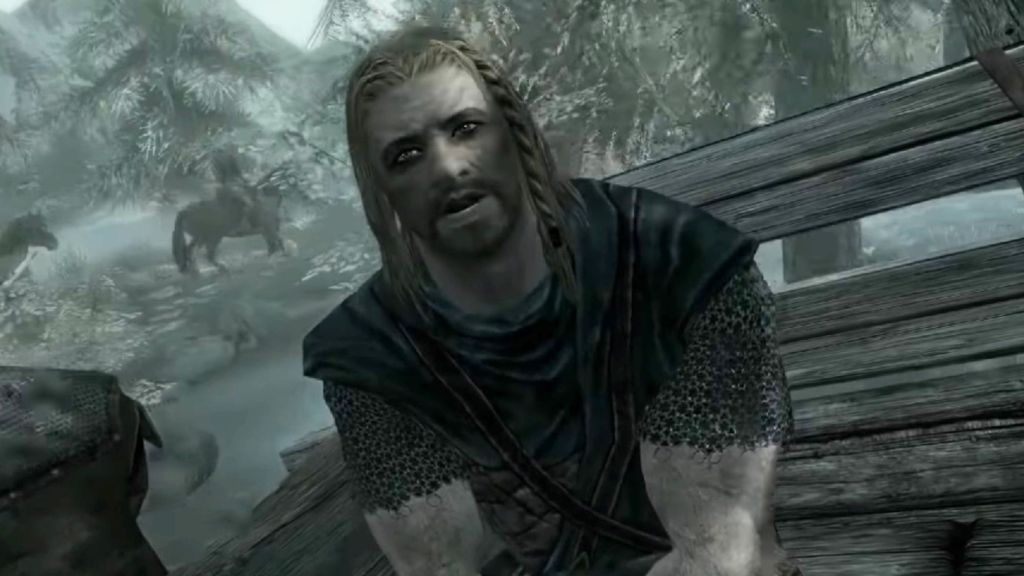
From a fan perspective, the anger is completely understandable. The Elder Scrolls 6 was announced years ago, and many players feel strung along by a teaser that came out far too soon. Each passing year without gameplay or concrete details makes that initial reveal feel more like a mistake than a celebration.
There is also a trust issue at play. After Starfield, some fans are no longer willing to give Bethesda the benefit of the doubt. Hearing that the next game needs even more time can feel like a red flag instead of reassurance. The fear is that development trouble is being masked as careful planning, or that the game simply will not live up to expectations, no matter how long it takes.
Still, when looking at the bigger picture, this decision aligns with what The Elder Scrolls 6 actually needs to be. It needs to feel expansive, polished, and thoughtfully designed. It needs to justify its existence in a post-Skyrim world. That is not something that can be rushed, especially after a recent release that struggled to meet its own goals. Fans may hate the wait, but releasing the game too early would be far worse.
Playing the Long Game Is the Right Decision
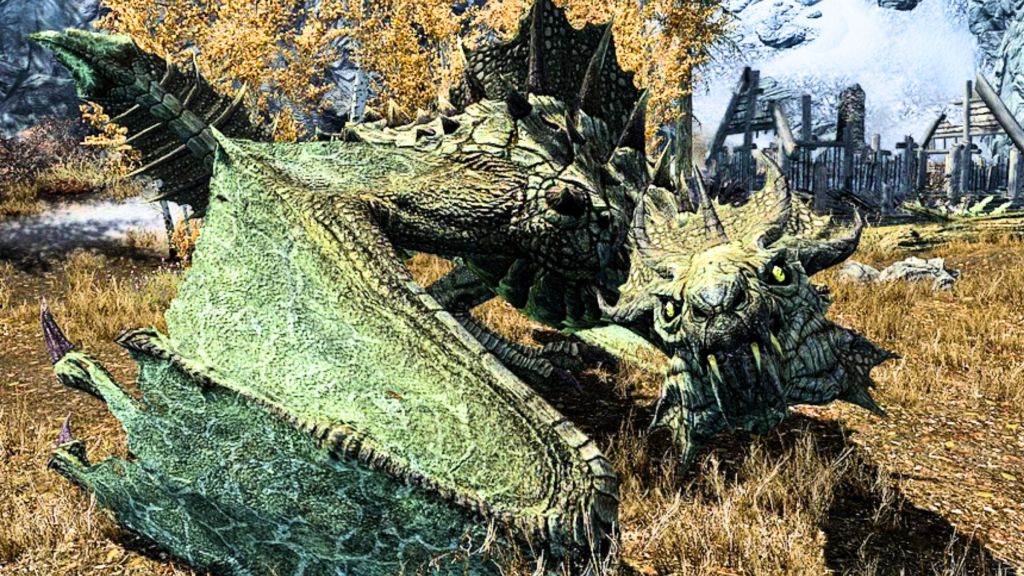
Bethesda is betting that time will be kinder than hype. Instead of promising the world and scrambling to deliver, like what happened with Starfield, the studio is choosing to stay quiet and work behind the scenes. This approach may not generate excitement now, but it gives The Elder Scrolls 6 the best possible chance to arrive as something special rather than something serviceable. They need another Skyrim-level hit.
There is also a broader industry lesson here. Too many major RPGs launch broken or incomplete, relying on patches to finish the job. Bethesda knows its reputation is already fragile, and another rough release could do some real lasting damage. For many, Starfield was Bethesda’s first true blunder. There’s no doubt the studio understands what another of that calibre could do to its already shaky reputation. By extending development, the studio is protecting both the game and the brand.
In the end, The Elder Scrolls 6 does not need to arrive quickly. It needs to arrive finished. Fans may hate hearing that, especially after such a long wait, but patience is the only path forward that makes sense. After Starfield, Bethesda cannot afford to gamble again. Taking their time is not just the safe choice: it is the right one.
What do you think? Leave a comment below and join the conversation now in the ComicBook Forum!
Most Viewed
-

Image Courtesy of TOHO -

Image Courtesy of Crunchyroll -

Image Courtesy of Marvel Comics -

Image courtesy of Marvel Studios