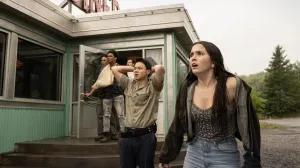
Revealed at the Game Awards, Bradley the Badger is a 4th-wall-breaking love letter to gaming that takes its titular take on the classic mascot platformer in some wild and wacky directions. A big appeal of the game’s presentation is the way it pokes fun at plenty of different game conventions and genres, with Bradley’s adventure through an unfinished version of his game world setting up all sorts of parodies of the medium, with platforming versions of The Last of Us, Bloodborne, and Cyberpunk 2077 serving as some of the distinct levels for players to explore.
Videos by ComicBook.com
It’s not the first game to do something similar, with the history of gaming often serving as a great jumping-off point for self-referential humor and clever send-ups of older titles. Bradley the Badger looks like a delightful riff on that concept, and like a lot of fun. If you’re excited for Bradley’s adventure and can’t wait, then it’s worth revisiting a silly, nearly two-decade-old riff on the most popular genres of the 2000s that approached a similar concept with just as much comedic gusto.
The Simpsons Game Broke The 4th Wall Repeatedly
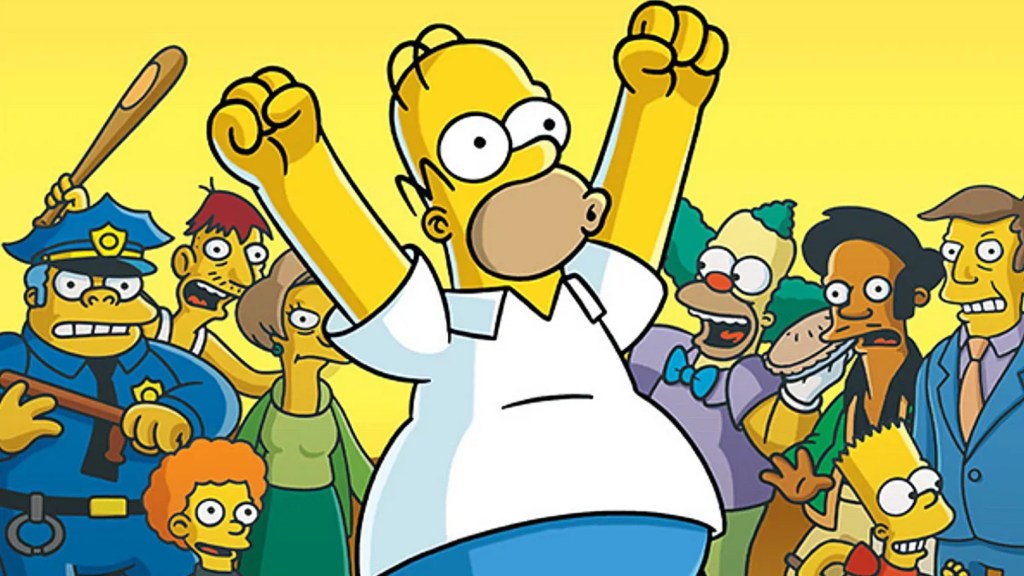
Released in 2007, The Simpsons Game is a wacky riff on the classic animated show. Written by The Simpsons writers Tim Long and Matt Warburton, the game initially presents itself as a standard video game adventure for the family in the vein of The Simpsons: Hit and Run. However, after discovering a video game manual tied to their reality, the Simpsons realize they are actually just video game characters. After defeating Sideshow Bob and the alien duo of Kang and Kodos, the family discovers a way into the game engine, where they confront Will Wright, a famous game developer who worked at EA at the time.
The game takes on an increasingly meta quality during this stretch of the storyline, with the family forced to head into different game parodies in an effort to prevent the game creator from erasing their current forms. The parodies include riffs on EverQuest, Medal of Honor, and Grand Theft Auto that combine the titles with a goofy Simpsons coat of paint. These levels all retain a core platforming quality similar to Bradley the Badger, with a focus on timely jumps, level exploration, and using a variety of reality-bending powers to literally break the game around them.
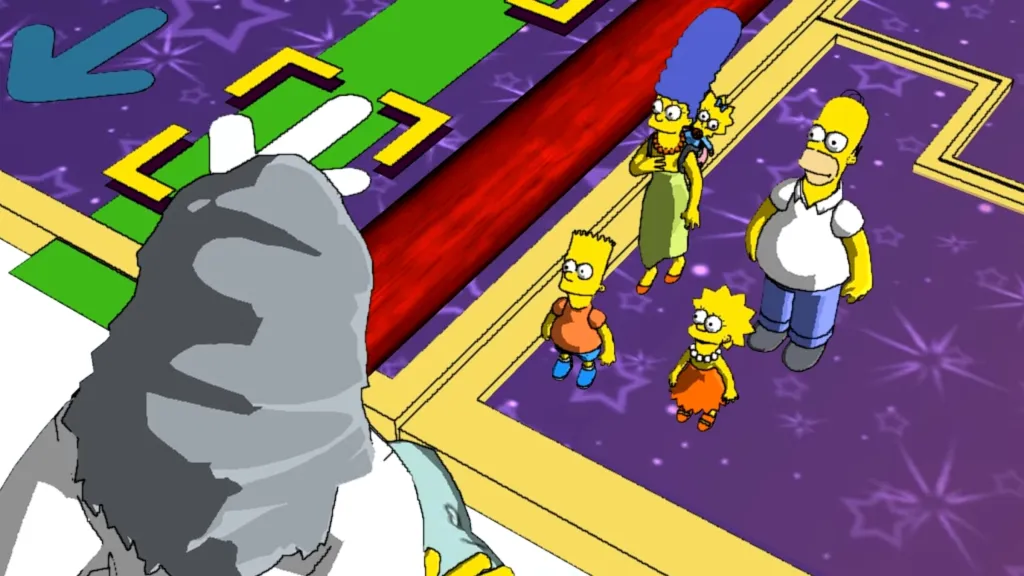
It all builds to a confrontation between the Simpsons family and God, which sees the player duel the deity in a game of Dance Dance Revolution. It’s all pretty fun, albeit with some wonky controls and lackluster camera mechanics complicating matters somewhat. However, what makes The Simpsons Game so memorable is that, like Bradley the Badger, there’s a real recognition of the humanity that goes into the characters that adds existential qualities to the storytelling.
Bradley And The Simpsons Tackle The Same Questions About Life And Gaming
At the core of both Bradley the Badger and The Simpsons Game is an existential reflection on the humanity of characters at the center of these kinds of adventures — in turn raising questions about the existence of everyone and everything in kind. Bradley the Badger‘s trailer sees the titular character encounter other games tangentially connected by the same developer, eventually discovering a tool that he can use to alter the game world around him. However, the game takes a more interesting turn when Bradley discovers the edges of the code, even seemingly breaking into the real world and meeting a game developer who created his worlds.
It’s similar to The Simpsons Game, which sees the titular family not only meeting God but also Matt Groening, who created the family decades ago. They confront the creator over his artistic inspiration and Groening admits that the game is being made in part to just earn some money, putting a monetary value on their adventures, pain, and triumph. In the game, the Simpsons are surprised to discover that they aren’t the first version of the family, and they won’t be the last, given the nature of franchise endurance and inevitable remakes, but they still are willing to struggle and risk everything to ensure that their version of the world lives on.
The end of the game elevates the concept even further, with the family confronting God and asking if he ever fears he’s also just a construct in a video game — which is then proven true when the story ends with Ralph Wiggum revealed to be playing the game all along before turning to face the player themself. Both games don’t just make meta jokes and poke fun at the medium, but seem to have deeper thoughts about the way creativity, commerce, and existentialism come together. While it remains to be seen what the full emotional and moral arc of Bradley’s adventure will be, the meta qualities of both games give them a thematic connection.
Most Viewed
-

Image Courtesy of Netflix -

Courtesy of Crunchyroll -
Image courtesy of Marvel Studios -

Courtesy of Eight-Bit -

Courtesy of SuperGiant Games -
Image Courtesy of Marvel Comics