
The Old Republic era has always been one of Star Wars’ most fertile storytelling playgrounds. It is packed with the best kind of Star Wars lore-junk, like ancient Jedi orders and fractured Sith empires. Combine those with marred together political power struggles and galaxy-shaping conflicts that feel massive in scale, and you’ve got yourself a recipe for a story in The Old Republic. For those who grew up on Knights of the Old Republic and later sank hundreds of hours into The Old Republic MMO, that era is a living mythos. Every new project that touches it naturally invites one big question: how does this fit into what we already know?
Videos by ComicBook.com
That question is especially loud with the recent reveal of Fate of the Old Republic. Even though the game is not officially positioned as a prequel or sequel to KOTOR or SWTOR, it still lives in the same historical sandbox. That alone opens the door to some potential deep connections and shared DNA that longtime fans cannot help but obsess over. If Fate of the Old Republic wants to feel truly at home in this era, there are plenty of ways it could quietly, or loudly, tie itself to the stories, characters, and ideas that defined Star Wars’ most expansive period.
Which Characters and Factions Might Return
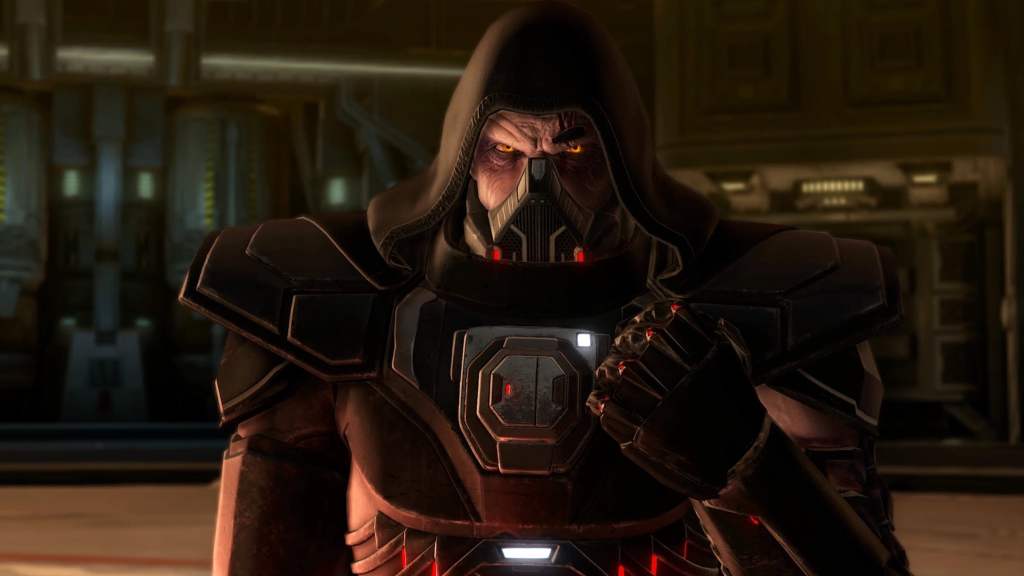
When people think about Old Republic connections, characters and factions are always the first place the mind goes. This era is defined less by individual heroes surviving forever and more by ideologies and organizations that outlive any single person. That makes Fate of the Old Republic perfectly positioned to echo familiar names without needing direct cameos that feel forced or out-of-pocket. Ancient Jedi philosophies, Sith power structures, and long-running conflicts can all resurface in ways that feel natural to the timeline and storyline. This is a good thing, because it means fans of the prior games may be in for a treat when one of these things suddenly appears.
Factions like the Jedi Order, the Sith Empire, the Mandalorians, and even shadowy groups like the Exchange are baked into the Old Republic era identity. Seeing these groups in Fate of the Old Republic, even in altered, evolved, or even devolved forms, would instantly ground the game in familiar territory. The Sith alone offer endless room for connection, whether through references to past Lords, internal power struggles, or doctrines that later resurface in KOTOR and SWTOR. A single holocron or offhand mention of a long-dead Sith lineage can do a lot of heavy lifting for fans who know the lore. Both KOTOR and SWTOR already utilized this to great effect, and there’s no doubt FOTOR (Fate of the Old Republic) will do the same.
As for characters, the safest and smartest route is legacy rather than resurrection. Names like Revan, Malak, Bastila, or even figures introduced later in SWTOR, like Baras or Malgus do not need to appear directly to matter. Statues, historical records, disputed accounts, or ideological splinter groups that interpret their actions differently would be more than enough. That kind of approach keeps Fate of the Old Republic respectful of established canon while still letting fans feel that familiar spark of recognition when a name or philosophy suddenly clicks into place.
Storylines That Could Link to the Old Republic Timeline

Beyond faces and factions, the real connective tissue comes from story themes. The Old Republic era has always revolved around cycles of war and redemption, alongside the constant push and pull between order and chaos. Fate of the Old Republic can tap into those same ideas without retreading old ground. In fact, exploring unresolved tensions or lesser-known conflicts could make the timeline feel even richer.
One obvious path is positioning the story around the fallout of events fans already know. Wars in this era rarely have clean endings, and the consequences often linger for decades or centuries. A destabilized Republic, a fractured Sith hierarchy, or worlds still scarred by ancient battles could all act as narrative bridges. The planet Korriban, for example, appears in all sorts of Star Wars media, and in almost every version and era, it is a Sith homeworld full of ancient tombs of deceased Sithlords. These kinds of storylines would make Fate of the Old Republic feel like a missing chapter rather than a disconnected side story.

There is also huge potential in exploring philosophical shifts within the Force itself. KOTOR and SWTOR both played heavily with the idea that the Jedi and Sith are not static institutions. Beliefs evolve, fracture, and sometimes repeat past mistakes. If Fate of the Old Republic leans into debates about what the Jedi should be, or how the Sith justify their endless hunger for power, it naturally mirrors the themes that made the earlier games resonate. That thematic consistency matters just as much as any named character.
Ultimately, Fate of the Old Republic does not need to shout out its connections to feel legitimate. Quiet lore drops and familiar ideological conflicts would be enough to make fans feel like they are stepping back into the Old Republic they love. If done right, the game could slot neatly between KOTOR and SWTOR in the collective imagination. Just from the title alone, the game seems to suggest a sense of finality for the era, but that remains to be seen. That kind of speculation is half the fun, and Fate of the Old Republic is perfectly positioned to fuel it.
What do you think? Leave a comment below and join the conversation now in the ComicBook Forum!
Most Viewed
-
Courtesy of Cartoon Network -
Image Courtesy of Marvel Comics





![Spider-Man: Brand New Day Trailer: Watch Every Clip Released So Far [Updating]](https://comicbook.com/wp-content/uploads/sites/4/2026/03/Spider-Man-Clips.jpg?w=300)
