Open worlds used to feel like invitations. Now, they feel like obligations. Glorified checklists with typically impressive looking backdrop. Maps flood your screen with icons, each one asking to be cleared, completed, erased. You move from point to point, efficient, and strangely disconnected from the world around you. It works, but it rarely lingers. Crimson Desert breaks that rhythm. It dares you to get lost.
Videos by ComicBook.com
For years, open-world design has circled the same drain, refining systems that already felt solved. Slight variations and different coats of paint, but the same underlying structure. Crimson Desert refuses to sit comfortably inside that loop. It builds something denser, more reactive, more willing to let players wander without a leash. Exploration stops feeling like progress tracking and starts feeling like discovery again. It is refreshing.
Breaking the Mold of Standard Open Worlds
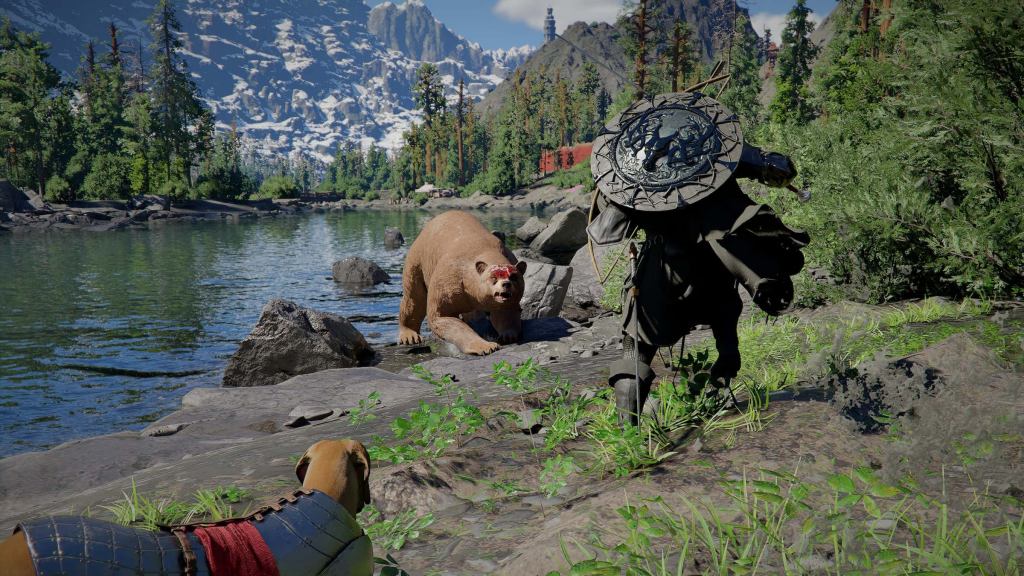
Crimson Desert does not guide you so much as it releases you from the chains of the typical open world checklist. The moment you step into its world, there is silent understanding that you are not meant to follow a strict path. Objectives exist, but they do not dominate your attention. Instead, the world pulls at you from every direction, subtle and persistent. A distant structure, an unexpected encounter, a system you barely understand yet. It creates a constant tension between what you should do and what you want to do. That tension is where the magic lives. It makes every distraction feel like the right decision.
Familiar structure still exists beneath the surface, but it no longer defines the experience as the core. The usual loops are there if you want them, but they feel secondary to everything happening around them. The world does not revolve around your checklist. It continues to exist whether you engage with it directly or not. That shift changes how you move through it. You stop playing efficiently and start playing curiously. It reshapes your priorities without ever forcing you to change them.
Crimson Desert still carries the bones of a familiar open world, but its soul lives far away from the roads most players will follow. The main path exists, it functions, it rewards just enough to keep you moving, but it is not where the game reveals itself. That happens when you drift off course, when the map stops guiding you and curiosity takes over. Hidden systems begin to surface, encounters unfold without warning, and mechanics you did not even know existed start to take shape. That is where Crimson Desert breathes. It rewards those willing to ignore what they are told to do.
Complexity That Rewards Exploration
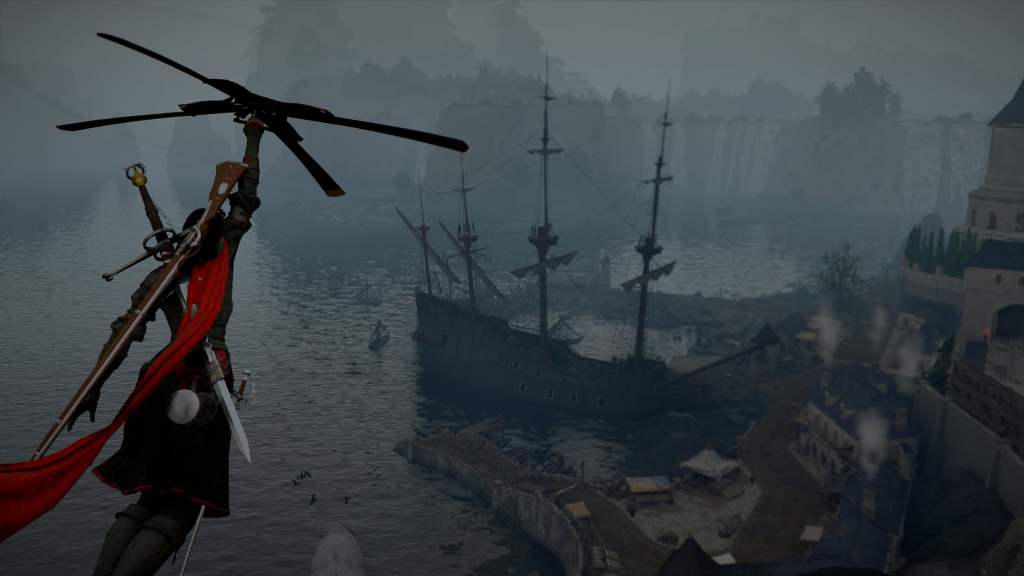
Even with all that said, one critical aspect that must be understood is that Crimson Desert does not hand you its depth. It lets you stumble into on your own, if you find it. Systems layer on top of each other quietly, almost invisibly at first, waiting for the moment you begin to connect them. What starts as a simple interaction can sometimes unravel into something far more involved, revealing new possibilities you had not considered. You grow not just because you play, but because you understand. That distinction changes knowledge into the most valuable resource you have (literally).
The more you experiment, the more the game reveals what it has been hiding. Systems that once felt isolated begin to overlap, creating new possibilities that were not obvious at first glance. A simple mechanic can suddenly take on new meaning once you understand how it interacts with something else. That sense of discovery feeds back into itself. It encourages curiosity and a willingness to engage more deeply with what is in front of you. That is where the experience finds its depth. It keeps you engaged in ways repetition never could.
What makes Crimson Desert stand out, ultimately, is its trust. It does not rush to explain itself or flatten its systems for the sake of convenience. It allows confusion to exist, frustration to fester, knowing that clarity will come with time. That patience creates a stronger connection between you and the world, and if you’re strong enough to push through it, rewards you with the freshest fantasy adventure since Elden Ring. You are learning the world, and in doing so, you begin to see how much of it was always there, waiting just out of sight. If you understand why this matters, that realization is probably why you’re thinking about this game long after you step away.
What do you think? Leave a comment below and join the conversation now in the ComicBook Forum!
Most Viewed
-

Image Courtesy of Netflix -

Courtesy of Netflix -

Image Courtesy of Ufotable -

Image Courtesy of Paramount