Injustice: Gods Among Us debuted on April 16, 2013, serving as NetherRealm Studios’ big swing into the superhero genre. The game takes the basic formula of the developer’s Mortal Kombat series and applies it to characters like Superman, Batman, and Wonder Woman. To justify the brutal combat without having to directly make the characters the mainline iteration of the heroes, NetherRealm justified the gameplay by creating a grim timeline alternate for the heroes so that they could become hardened and corrupted.
Videos by ComicBook.com
In doing so, the developers landed on a particularly brutal take on Superman that understands what makes the character so enduring and his impact on the universe around him. In the process, they also created one of the more compelling direct takes on a trope that has only become more prevalent and impactful across modern pop culture. 13 years ago, NetherRealms released one of the best evil Superman stories ever — and the impact it had is still being felt today.
Injustice: Gods Among Us Pushed The Boundaries Of What Superman Can Be
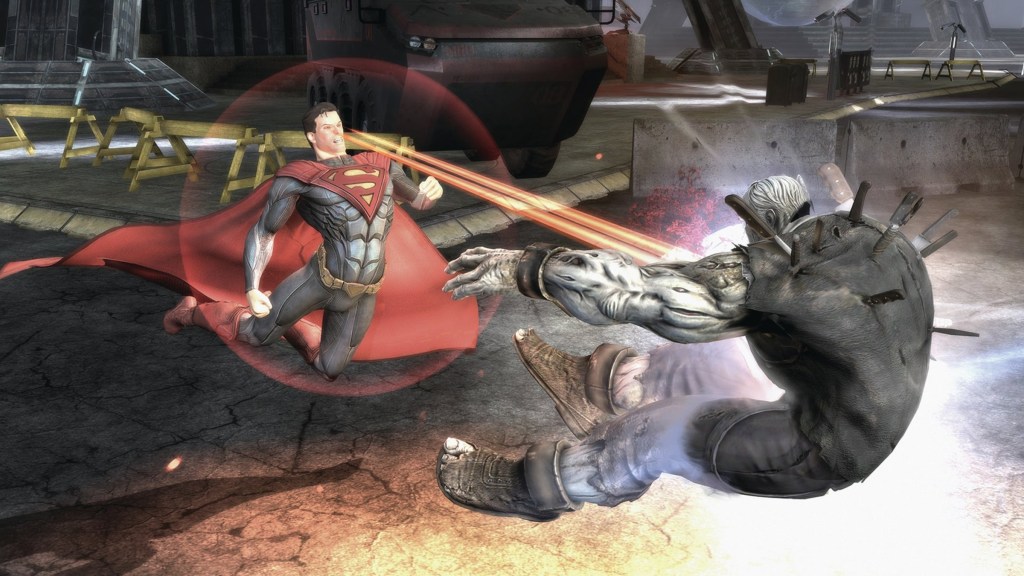
The underlying premise of Injustice: Gods Among Us allows it to not just be a fighting game but a horrifying tale of a Superman gone wrong. The story focuses on two realities in the larger DC multiverse. While the primary one is protected by the Justice League, another severely diverged when the Joker broke Superman by slaughtering his loved ones. Enraged, Superman killed Joker and embraced a totalitarian approach to justice that quickly divided the emotionally wounded hero community. With Batman leading a rebellion against Superman’s forces in an effort to combat his new globe-spanning government, the battles of the campaign give way to a bombastically brutal 1v1 fighting game. What makes Injustice different from other iterations on the idea of an evil Superman is the way it bleeds out into the rest of the setting. A Superman willing to kill is one who has inherently corrupted the meaning behind his heroics, a stark betrayal of the morality that has driven the character (and the genre at large) since its inception.
Murdering the Joker subverts Superman so much that it becomes easy for a grieving man to accept his worst impulses in the sake of progress — rather than the perpetual restraint and grace used by Superman in his proper heroic appearances. The Superman of Injustice is a broken man whose rage has festered and transformed him into something almost unrecognizable from the core version of the character, despite the powers and appearance being consistent. It’s reflected in the action of the gameplay too, where Superman deploys some brutal combos befitting the fighting game surrounding him. It’s a good way to naturally justify a more brutal take on Superman that fits a fighting game from the same developers who make Mortal Kombat — and his massive influence on the tone of any DC adaptation he appears in means that the rest of the typically heroic characters take similar cues. It bleeds down from this darker Superman and allows Injustice to fully commit to the over-the-top superhero violence and surprising brutality.
“Evil Superman” Is A Trope — And Injustice Wears It Well
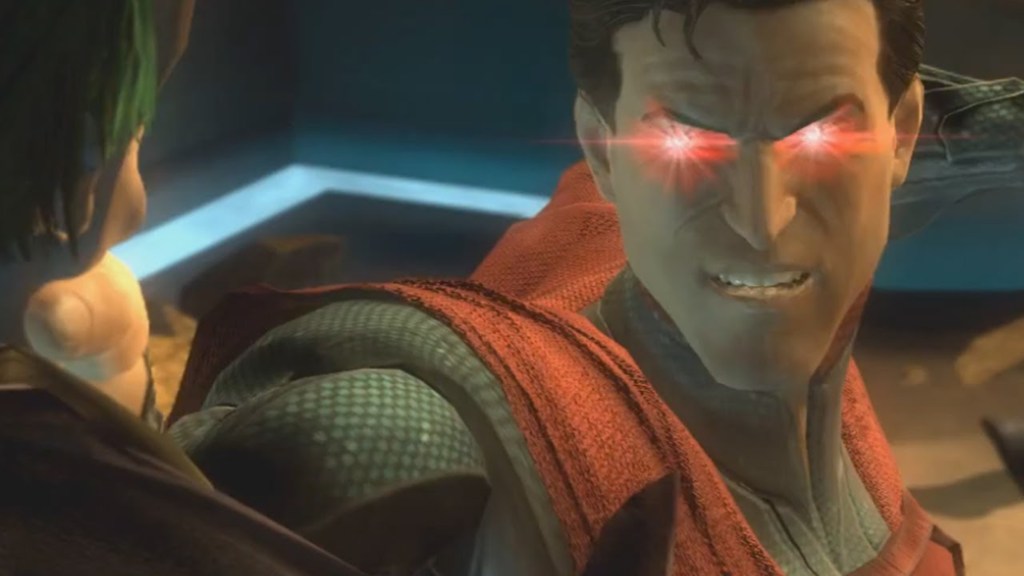
There have been plenty of subversions of the typical superhero mythos personified by Superman, especially in recent years. Invincible, The Boys, The Eternals, and Brightburn have all used that idea to grisly effect, and Injustice: Gods Among Us follows suit. Actually seeing a version of Superman go down that path is especially upsetting for long-time fans, which is the intention. The entire world of Injustice is one where enduring heroes and villains can be killed off suddenly. Even outside the inciting deaths of Lois Lane and everyone in Metropolis at the hands of the Joker, plenty of other notable heroes and villains are picked off. Injustice 2 takes things even further with a more self-contained plot that united the two factions without ever actually repairing the damage to their relationship, setting up brutal conclusions one way or the other.
The game’s use of established voice actors from other DC adaptations like Kevin Conroy, George Newbern, Susan Eisenberg, Phil LaMarr, Tara Strong, Khary Payton only adds to the horror of seeing the former heroes become something far grimmer. Injustice: Gods Among Us is fairly simple in its presentation, with more complexity brought to this version of Superman when he was brought over into the comics multiverse. There’s an underlying tragedy and unsettling darkness to the Injustice Superman — and the fear that any Clark Kent is only one bad day away from becoming that villain makes for an interesting reflection. Luckily, Injustice also understands that the primary versions of the characters are the ones that are right in their continued heroism, which gives the game’s narrative a surprisingly happy ending when good wins out in the end. Injustice is a great example of how fighting games can use their innate violence to help elevate a purposefully morally compromised superhero story.
More Gaming
-

Courtesy of IllFonic -

Courtesy of CD Projekt Red -

Courtesy of BioWare