The Cleric class is often considered the “healing” or “support” class in Dungeons and Dragons, but this archetype is often given tools to be incredibly strong no matter a party’s composition. However, after changes from 5th Edition rules to newly dubbed 5.5e mechanics in 2024, the Cleric has lost much of that variety, with many of its older subclasses not being brought over in translation. The newest gameplay expansion book for the TTRPG helps the Cleric in this regard, refining and bringing back one of the best options the class has to offer.
Videos by ComicBook.com
There are seven new subclasses added to the Ravenloft: The Horrors Within setting book that came out earlier in June 2026. Alongside a darker setting in the titular Ravenloft and its Domains of Dread, five classes gained archetypes back from older 5th Edition content. These subclasses were refined from prior “Horror” themed Unearthed Arcana playtesting, creating new and improved versions that feel refined for new 5.5e adventures.
The Grave Domain Cleric Returns In Ravenloft: The Horrors Within After Several Revisions
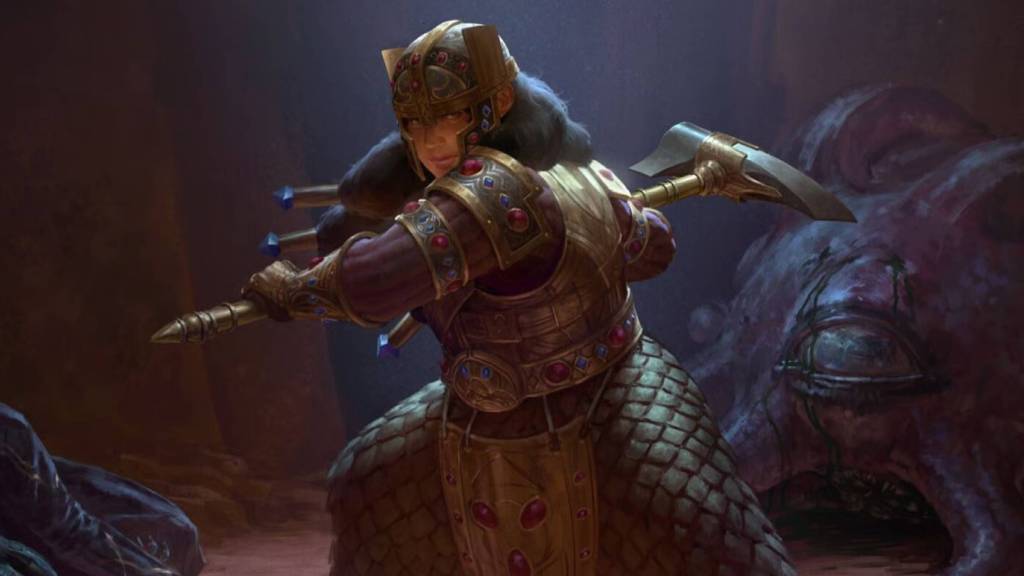
The Grave Domain for the Cleric class returns in Ravenloft: The Horrors Within, not only as a subclass from 2014’s 5th Edition, but also from UA playtests back in 2025. Not to be mistaken with the Death Domain, this subclass represents a type of Cleric character whose faith is tied with the boundaries between life and death. Destroying undead and maintaining the cycle of death’s natural course, Grave Domain Clerics are well-rounded and versatile, capable of eliminating evil and supporting allies in equal measure.
This idea has been largely kept in 2026’s official rendition of the subclass, starting with its Path to the Grave feature players get when they take the archetype at Level 3. This feature lets you present your Cleric’s Holy Symbol as a bonus action, spending a use of Channel Divinity to curse a creature within 30 feet of your character. While cursed, a creature has disadvantage on attack rolls and saving throws, severely weakening its ability to resist ally effects or deal damage.
Based on the Ravenloft book’s changes from the UA, the Cleric can end this curse whenever an ally hits the cursed creature, allowing them to deal extra Necrotic or Radiant damage to the target based on their Cleric Level. The Grave Domain also gains two skills at Level 3 tied to their Circle of Mortality feature, which revolves around manipulating the balance between life and death. The two abilities of this feature include:
- Pull of Death – When you deal damage through a spell or attack to a creature missing any Hit Points, that target takes additional Necrotic damage.
- Return to Life – Allows you to cast the Spare the Dying cantrip as a bonus action. Also, when you would normally roll one or more dice to restore Hit Points to a creature at 0 Hit Points with a spell or Channel Divinity, use the highest number possible for healing.
Level 3 gives the Grave Domain Cleric a variety of spells too, learned as your character progresses to certain milestones. For example, at Level 3, your Cleric gains False Life, Detect Evil and Good, Gentle Repose, and Ray of Enfeeblement. At Level 5, you gain Revivify and Vampiric Touch, while Levels 7 and 9 see you gain powerful spells such as Blight, Dispel Evil and Good, Hold Monster, and Raise Dead. This balance between necromancy and divine magic creates a fun duality, helping mold a character with plenty of flexibility.
One Of The Strongest Subclasses From 5th Edition Returns To Give Cleric Characters Unique Features

The channeling of deities of death reinforces how strong the Grave Domain Cleric can be, honoring its origin as one of the most reliable subclasses in base 5th Edition. This is seen clearly through one returning feature of the archetype — Sentinel at Death’s Door. A Level 6, feature, this skill has been translated from 5e into 5.5e almost 1:1, activating when you see an ally near you in some sort of danger. In Ravenloft: The Horrors Within, this ability activates whenever you see a Bloodied creature within 30ft get hit with an attack roll. Using your Reaction, you can half the damage that target is about to take.
This supportive ability has limited uses, but it can be crucial to activate in tense situations. Battles against a dangerous boss or a combat encounter where your party is at a disadvantage are great opportunities to keep your group fighting. That being said, the Domain Cleric’s greatest ability comes at Level 17 through the Divine Reaper feature. This ability grants you Enhanced Necromancy, which widens the utility of your necromancy spells. At the same time, the Keeper of Souls skill of this feature can even revive a target that’s died within 60ft of you, defying death itself.
Small Changes Amplify The Grave Cleric’s Ability To Keep Party Members Alive Consistently

Compared to its first 5th Edition version, the Grave Domain Cleric in Ravenloft: The Horrors Within is stronger in a number of little ways. For starters, the Keeper of Souls feature has a wider range, giving players more room to revive targets in high level combat. Sentinel at Death Door is far easier to activate, as it only would trigger on an opposing critical hit in the past. Meanwhile, the former Eyes of the Grave feature has been replaced by Path to the Grave, trading the ability to sense undead to a useful curse that provides a strong enemy debuff.
Other small changes amplify this subclasses’ strengths, such as a wider array of learned spells or greater damage options to diversify your character’s options. Keeping your allies alive or helping them dispatch of foes is what a Cleric does best, which this archetype understands well. Among all the returning subclass options in Ravenloft: The Horrors Within, the Grave Domain Cleric is one fans are happy to welcome back under new D&D rules.
What do you think of the returning subclasses in the Ravenloft: The Horrors Within book? Leave a comment below or join the conversation in the ComicBook Forum!
More Gaming
-

Courtesy of BioWare