EA is one of the giants of the gaming industry, with titles like Madden, The Sims, and Battlefield ensuring they remain a perpetually core company within the industry ecosystem. Even companies that big are always looking for new ways to increase revenue and lower internal costs, especially in an era where game development on the AAA scale has only grown more expensive. That’s why they’ve been experimenting with stuff like more in-game advertisements.
Videos by ComicBook.com
That approach just got a very big internal investment from the company; EA has announced that an entire division of the publisher has been built around expanding in-game promotional material. This is far from the first time EA has taken this approach, especially in its sports games. However, it speaks to how much they think it could become a defining feature for the publisher. It’s also something gamers should be worried about, as it could lead to some very frustrating developments for EA game development and rollout.
EA Advertising Is Coming To Plenty Of Future Games
The gaming industry as a whole has been experimenting more and more with advertising in recent months. Companies like Microsoft have been experimenting with ad-supported tiers for their online content, which hasn’t been popular with some players. EA has announced the formation of EA Advertising, a new branch of the video game publisher that is specifically focused on incorporating more advertising and product placement into its games. This can range, according to the company, from dynamic real-time ads to unique in-game content.
With this approach, the publisher is giving companies the ability to fully sponsor objectives, missions, and items. The various titles under the EA Sports umbrella have been cited by EA as specific examples of how that could go into effect. The question remains just how this will go, and severely it will impact the underlying gameplay. Ads seen in the background of a Madden game may feel natural, given the deluge of advertisements audiences find in most sporting arenas. However, ads in different games might be very distracting or even break the immersion — something EA discovered wasn’t ideal with players years ago.
EA Has Been Doing Product Placement In Their Games For Years Now
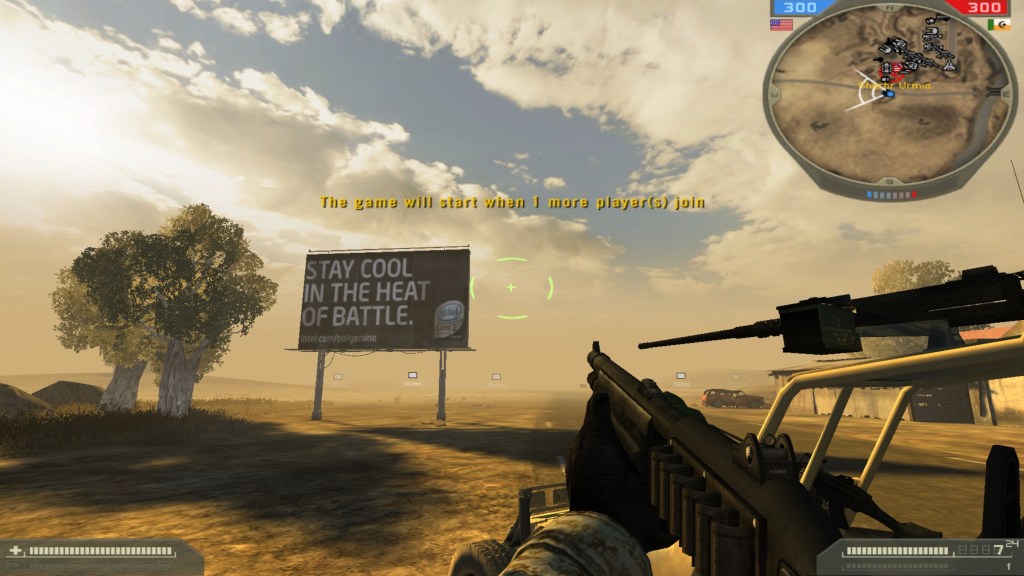
This is far from the first time the publisher has slipped advertising into their games, with EA becoming particularly notorious for the influx of ads into their titles. Titles like Battlefield 2 featured billboards in-game that were advertising Intel computers, while Battlefield 2142 had advertisements for Pepsi. Sports games like College Football 26 had the Mountain Dew-sponsored DEW University, while EA Sports FC 26 featured Xfinity-sponsored team packs.
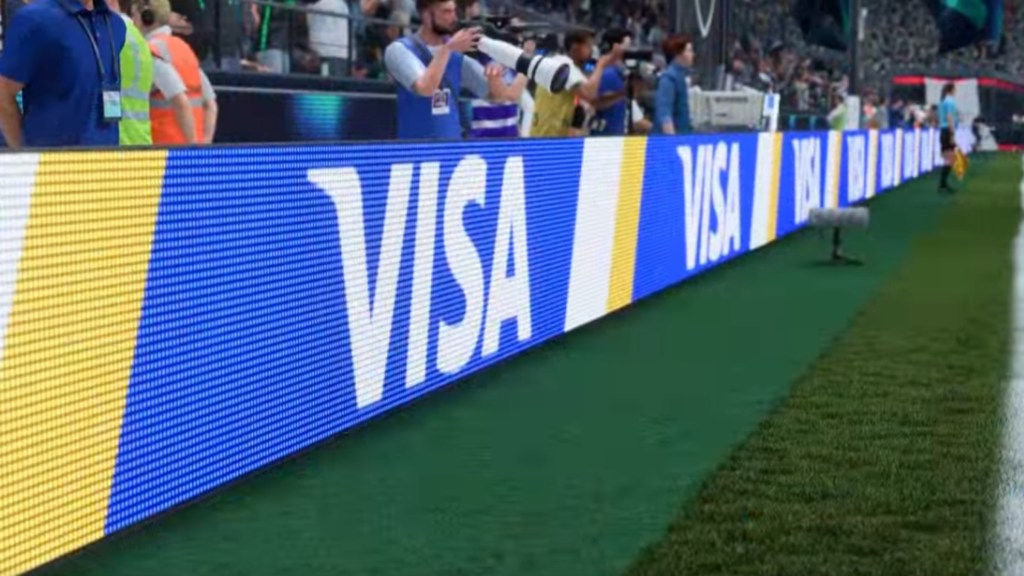
During games of Madden or FC, advertisements for Loew’s, Visa, and Red Bull can be spotted in the background. For the latter, that feels slightly accurate to how modern sports broadcasts are filled to the brim with advertisements and promotional tie-ins, so it wasn’t as distracting. However, this new approach taken by EA Advertising feels more in line with the Battlefield billboards, which were roundly criticized when they debuted in the 2000s.
Why EA’s New Ad Initiative Is So Worrisome

EA isn’t the only company experimenting with inserting ads into games. Those other companies are perfect examples of the risk this approach poses to player experiences, however. Microsoft’s decision to lean into that approach in 2024 was met with frustration due to how it would clutter the screen or break up the game’s pacing with an unskippable ad. Even though Microsoft argued it could offset some development costs, the savings weren’t passed along to players — who are still paying full price for games and then being constantly advertised to. EA’s ad initiative carries a lot of potential risks and could frustrate players even more.
Unskippable ads in games could destroy the immersion that most titles are looking to achieve, while also feeling like an entirely corporate decision instead of in service of the games. There’s a chance that the EA advertisement group could eventually allow for political organizations to purchase space, forcing players looking for an escape from the real world to be bombarded by advertisements. Companies could force the tie-in content on game developers, requiring them to take on additional crunch time to add content tied to the sponsors. Certain sponsors could introduce overpowered weapons or upgrades, creating a new layer of the “pay to play” model that can ostracize players in online spaces who can’t afford the biggest DLC upgrades.
It also plays into the eternal debate between commercialization and art in mass media. Games are an especially immersive storytelling medium, but an unexpected billboard advertising computer software might break the illusion and leave players disconnected from the experience. A fantasy adventure with emotional stakes won’t land as well if players can use the Sword of Mountain Dew, who will be zapped out of the experience the second they see a brand that doesn’t fit naturally into the world. The impulse to slip in more ads makes sense as a potential revenue stream for EA, but it comes with enough possible ways to overwhelm players that I’m worried the publisher won’t be able to help itself. Future EA games might just be filled to the brim with more advertisements than there already are, which could be a real problem for the company.
What do you think about EA’s new in-game advertisement initiative? Let us know in the comments!
More Gaming
-

Image courtesy of Moon Studios GmbH -

Image courtesy of Bethesda