Epic Games has been a strong player in the gaming space for years, with everything from MS-DOS classics like Silverball, arena shooters like Unreal Tournament, and gritty action games like Gears of War setting them up for the success they’ve found in the online multiplayer space. Titles like Fortnite have been some of the biggest hits of the last decade, further cementing their place in the gaming environment.
Videos by ComicBook.com
This all set the developer up to launch the Epic Games Store, which has been having better profits than ever. However, while 2025 was a great year for the platform, a lot of that success was due to third-party titles and giveaways. This highlights a potentially big problem for the developer, especially if those kinds of games continue to be the biggest successes for the publisher.
Steam Had Third-Party Success, But Struggled With First-Party Titles In 2025

The Epic Games Store had a great boost in users in 2025, but they’re still dwarfed by Steam — and the rise in third-party titles on the platform alongside dropping engagement with their first-party titles should be a warning for the future of the company. According to the company’s formal profit presentation, Epic Games Store saw an overall increase in spending and active users in December 2025, with a massive rise in third-party game sales accounting for a significant portion of that growth.
However, that highlights the challenges that Epic is facing in terms of their first-party titles, which should be a cause for concern. Overall, Epic Games had a very solid 2025, with free-to-play first-party Epic titles like Fortnite and Rocket League among their biggest successes. In that period, spending on third-party games was up 57% from previous years, and that’s all without including any in-game purchases.
However, part of that has to do with giveaways, with events like the Hogwarts Legacy giveaway driving a lot of the month’s player activity. While time spent on third-party titles through the Epic Games Store was up 4%, overall player hours were down 14% from previous years. This seems to be largely due to a decline in first-party playtime, which may help validate analysis from some in the games industry that live-service titles like Fortnite may have already peaked in popularity. While there’s plenty for Epic Games to be excited about — including high participation in their Epic First Run initiative and a new Web Shops service that has launched on PC and on mobile platforms — those first-party struggles could become a serious problem for the company.
Epic Needs To Find A New Niche If It Wants To Grow In 2026 And Beyond
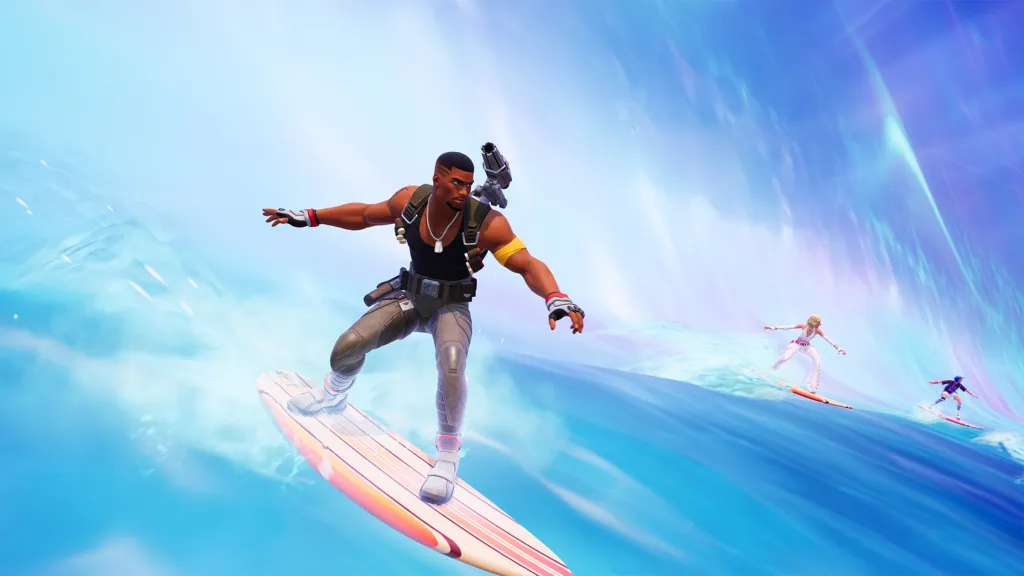
The amount of players flocking to third-party games suggests that the Epic Games releases themselves are running into issues retaining players. While Fortnite and Rocket League still have committed fan bases and continue to expand in new ways, those player bases don’t seem to be growing at the rate they need to for the Epic Games Store to thrive. Instead, it was an increased emphasis on third-party titles, spurred on by giveaways, that really seemed to become the primary success for the digital platform. That isn’t an exclusive win for the Epic Games Store, though.
Those same third-party games appear on other platforms as well, however, meaning there’s a certain cap on just how many copies of those games the company can reliably depend on for sales. This is where the unavoidable truth about Epic Games Store’s place in the gaming ecosystem comes into play; even with this overall increase in profits in 2025, Epic Games Store still trails significantly behind Steam in terms of raw sales and player engagement. Especially as Steam comes closer to releasing the highly anticipated Steam Machine that could further enshrine their digital store as the primary resource PC players turn to, the success of third-party titles on the Epic Games Store feels less like a safe investment and more like a band-aid on a potentially big problem.
If Epic Games’ biggest first-party titles have peaked, then one of the main draws of their platform over something like Steam goes away. Given that Epic Games has been up-front about their belief that they don’t need to unseat Steam to be a success, they do still need to draw in players for their own titles to keep players coming back to their platform over others. If Epic Games was to produce another title that can bolster the store’s standing and draw in more players, than the issue would becomes less of a problem. However, games like Fortnite having potentially peaked should be a warning sign for the platform, especially because part of that game’s massive success has been from its ubiquity in the market and availability across platforms. The Epic Games Store’s late 2025 numbers suggest that the platform is in good shape for the time being, but those first-party problems speak to how the publisher needs to keep evolving.
Most Viewed
-

Courtesy of Crunchyroll -

Image Courtesy of TOHO -

Image Courtesy of WIT Studio