Final Fantasy Resonance is very much a love letter to the overarching franchise that finds a way to bring together a lot of different elements of the series for a slick new experience. A revamped take on Square Enix’s 2015 mobile game Final Fantasy Brave Exvius, Resonance functions on two levels. On the one hand, it’s a 2.5D take on the property, a first for the series with the new approach to the overworld filtered through tight turn-based combat. The other big facet of the game sure to catch fan attention is the way characters from across the series can factor into combat as summonable fighters.
Videos by ComicBook.com
The former works well for anyone who is a fan of fantastical turn-based RPGs, while the latter will primarily appeal to the hardcore fans who can cite which title each character is from. The result is a happy medium that appeases both the casual and committed fans of the franchise, with the sharp visual elements elevating the solid base. Final Fantasy Resonance might not be groundbreaking, but it does enough with the established formula to be worth your attention.
Resonance Is A Final Fantasy Fan’s Dream Game
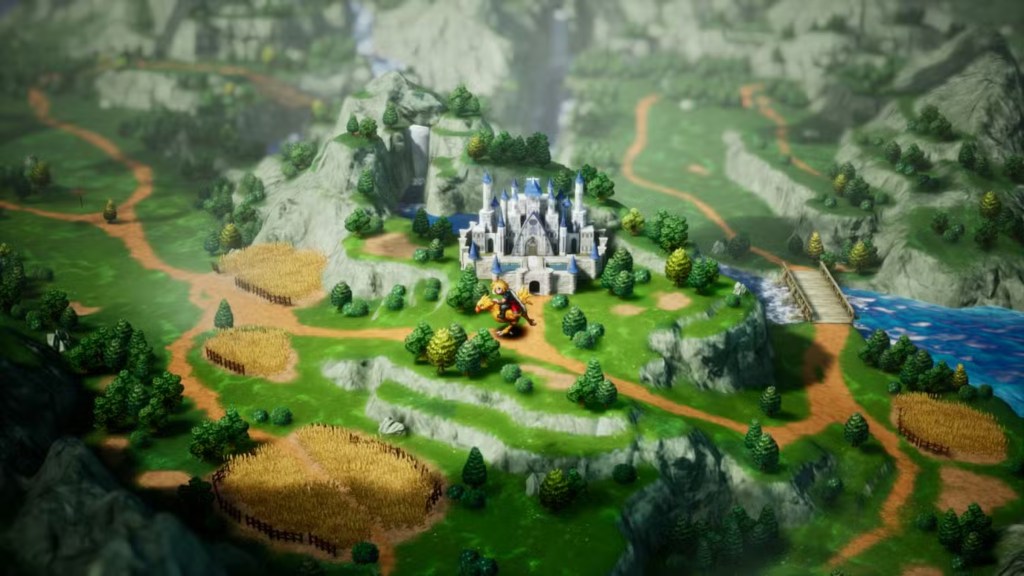
During a demo attended by members of the press (including ComicBook), Square Enix showed off the gameplay and exploration elements of Resonance that highlighted how the new game honors the past without being beholden to it. The demo took place during a chapter of the base campaign, following standard Final Fantasy hero Rain, his long-time best friend Laswell, the white mage Fina, and the inventive Lid. Traveling across the overworld felt familiar to the older iterations of the franchise, albeit brought to life with the distinct sprites of the HD-2D art aesthetic. Making their way through dungeons and buildings is given a new sense of scope by the 2.5D approach, which opens up even smaller locations and gives them a sense of scope. The overworld is even more impressive, a charming map to explore that at its best feels like playing through the earliest games in the series in a whole new light. Dungeon exploration is similarly consistent with the older versions of the game, although the modern quality-of-life upgrades and updated visual style lend themselves well to the adventure.
The unique element of the game in terms of combat is the Visions, a mechanic that pairs each character in your party with either new characters or another iconic face from across the franchise. The Visions can range from the Warrior of Light from the first Final Fantasy, Cloud from Final Fantasy VII, and Noctis from Final Fantasy 15, and plenty in between. The entire franchise feels represented by this approach to fan-favorite characters, giving players a fresh adventure but with the chance to embark on it with some old favorites. The Visions aren’t major factors in the narrative but serve their purpose as a bit of nostalgic fun for older fans (and a useful set of additional moves for players who just want to go on the adventure). These tweaks to combat are very much at the heart of the new game, which does a lot of good work bringing the past into a new title without letting nostalgia overwhelm the fresh material.
Visions Of Final Fantasy’s Past
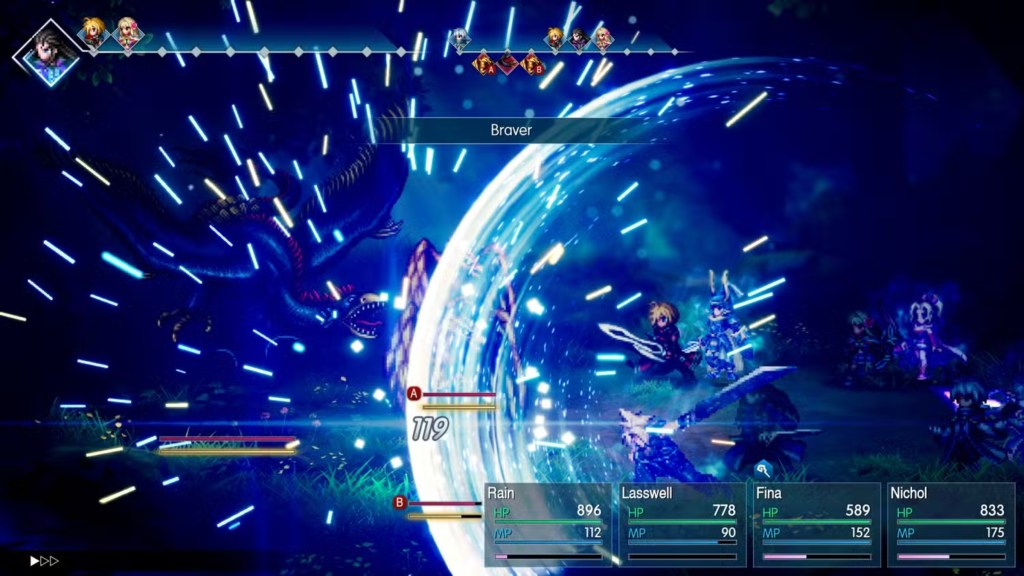
The Visions mechanic isn’t the only combat addition that balances the classic approaches of the series with some solid new tweaks. Limit Breaks are a key element of the gameplay, with the Visions capable of deploying their most iconic moves during these flashes that can shift into 3D for a moment. The new characters aren’t left out in the cold, though, with their own unique move sets and abilities. Lid, in particular, is a lot of fun, an inventive tinkerer whose biggest moves involve mechanized Chocobo swarming enemies.
Meanwhile, attacks can now Stagger enemies, briefly stunning them after enough damage is done to them in quick succession. Staggering all enemies at once sets the stage for a Resonance attack, wherein the player can have their entire party take an additional turn to deploy some particularly cinematic attacks. While there weren’t any in the demo, the game also includes Espers — summoned monsters that remain on the battlefield and assist in combat. These creatures also have some recognizable names like Bahamut, suggesting this is another way Final Fantasy fans can revisit some old favorites in a new setting. It speaks to the game as a whole, which feels like a modern approach to the old standbys of the franchise.
So much of Final Fantasy Resonance is rooted in the past that the game could easily become mired in nostalgia for the sake of it alone. However, the underlying game is solid enough to work on its own merits. The narrative plays with expectations and legacy in some intriguing ways, with the final boss of the provided demo hinting at a greater scope of the game’s approach to Final Fantasy lore. While the fan service elements might be the selling point for the game, Final Fantasy Resonance is a strong enough entry in the franchise that even non-fans might find something engaging about the experience.
More Gaming
-
Image Courtesy of AdHoc Studio -

Courtesy of IllFonic