Gamers have found themselves on opposite ends of plenty of debates over the years, but one argument that seems to be uniting various corners of the internet is the presence of AI-generated content in video games. While fears about the impact of AI-generated content have been spreading throughout all sorts of industries, it’s been a long-standing concern in the world of gaming, given the potential difficulty in parsing out man-made material and generated slop. Fans have made their opinions on the matter known, to the point where major publishers like EA have made it clear that using AI-generated content could have huge ramifications on their reputations in the industry.
Videos by ComicBook.com
Some platforms like Steam have even been proactive in their breakdown of the material, forcing games sold through the Steam Store to verify if they’ve included any AI-generated content in their finished product. Plenty of games have garnered a lot of controversy over their use of the material, ranging from minor background elements to overt pieces of the game. However, one of gaming’s biggest free-to-play titles has been drawing a lot of criticism for potential AI-generated content in its latest season, which wouldn’t be a huge surprise given its previous embrace of the practice.
Fortnite Chapter 7 Is Being Accused Of Having AI Art
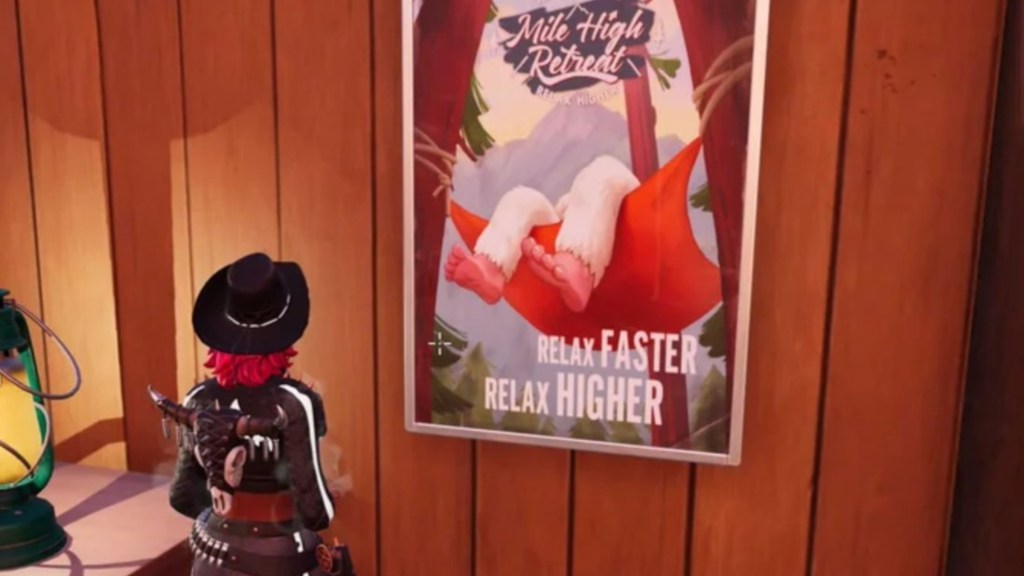
While fans may have had a lot of fun with the Simpsons-themed mini-season ahead of “Pacific Break,” some of them are calling out Fortnite and Epic Games for potentially using AI art in the game. Fans have been specifically pointing out background art in the game, including a yeti lying in a hammock. The yeti’s feet are exposed, and it has nine toes. This is consistent with a lot of AI art, which has infamously struggled in realistically recreating hands and feet.
Elsewhere in the season, billboards are being called out for their smeared and slightly pixelated visuals, while the anime-inspired graffiti spray of Marty McFly bears a striking resemblance to the Studio Ghibli AI artwork that sparked plenty of discussion about the prevalence of AI artwork online. Freelance artist Sean Dove has at least addressed the Marty McFly art, claiming that the actual picture is authentic but that some of the background clocks behind the character were pulled from online sources and may have been unwittingly pulled from AI-generated sources. Epic Games has remained silent about the other accusations; however, in direct contrast to the Fortnite fans of Reddit, who have been keeping track of any and all potential uses of AI art in the game.
Fortnite Has Already Used AI Content In The Past
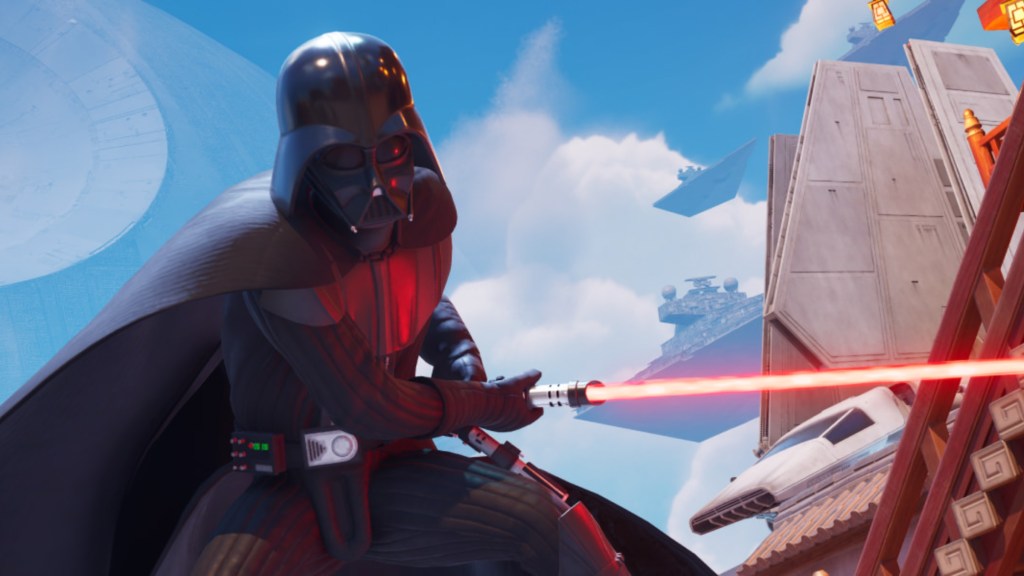
This development only further highlights Fortnite’s struggles with public perception revolving around AI-generated content. Epic Games CEO Tim Sweeney has openly complained about Steam’s requirement that developers publicly disclose if their games use any AI-generated content in their releases, arguing that AI will “be involved in nearly all future production” and labeling it as such is therefore unnecessary. This is also not the first time Fortnite has been caught up in the AI discussion, as an AI-generated recreation of Darth Vader’s voice was featured earlier this year.
As part of Chapter 6, Darth Vader could be encountered as a potential teammate who could communicate with players through the use of generative AI. This led to SAG-Aftra filing an unfair labor practice charge against Epic Games. AI-generated content being featured in video games has become a lightning rod of controversy in recent months, with players largely coming out against the practice. The new accusations about AI-generated content appearing in Fortnite Chapter 7 is unlikely to slow down the discourse surrounding the practice, especially with Epic Games. At the time of writing, Epic Games has yet to respond to the accusations.
Why Fortnite’s A.I. Push Goes Against The Spirit Of Chapter 7

One of the strangest things about seeing potential AI art in Fortnite is the way it seems to go against the very spirit of Chapter 7. “Pacific Break” opened with a new animated short tied directly to Kill Bill. Directed by Quentin Tarantino and starring a returning Uma Thurman as the Bride, “Yuki’s Revenge” was produced with a clear sense of artistry within the Fortnite engine. Animated through the use of Unreal Engine, the production of the short involved a lot of motion capture, voice acting, and genuine artistry.
“Pacific Break” as a whole is dedicated to the California lifestyle, highlighting the chill nature, beach culture, and adventurous spirit that personifies the state at its best. It’s meant to evoke an authentic vibe of the Golden State, serving as a love letter above all else. While AI might be becoming more commonplace across several industries, it’s also antithetical to that lived-in, street-level, unflinching human touch that’s at the center of “Pacific Break’s” intended spirit.
“Yuki’s Revenge” stands out because it was genuinely the product of actors and filmmakers on top of animators and game developers, a genuine passion project that brought a cut scene from Kill Bill to life. Seeing something so thoroughly rooted in that authenticity alongside AI-generated artwork — especially when freelance artists like Sean Dove are being brought in to contribute their own artistic touches to the title — feels disingenuous. Hopefully, Epic Games takes a lesson from the fan base’s overall frustration with even the possibility of AI-generated artwork appearing in the game and steps back from the practice going forward.
Most Viewed
-

©Toshiaki Iwashiro,Shueisha/PSYREN Secret Society -
image courtesy of Warner Bros. -
Ian McKellan as Gandalf in The Lord of the Rings.