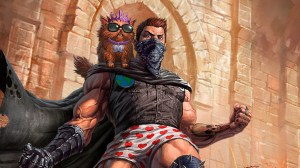
When Fortnite was released in 2017, it didn’t take long for the game to become a leading player in the genre, and it’s grown in popularity ever since. Fortnite is a cash cow for Epic Games, which continuously maintains its servers and adds new content. These come fairly regularly, and every time a new season, mini-season, or update comes around, Fortnite’s popularity grows even more. This has resulted in numerous collaborations with other existing IPs, enabling Epic Games to feature an ever-increasing library of cosmetic skins of everyone from Marty McFly to Vecna.
Videos by ComicBook.com
Essentially, whatever you love, you can probably purchase a skin to play as that character, and this isn’t something Epic Games is going to stop doing anytime soon. The recent Simpsons mini-season brought plenty of positive attention, and while skins can be a lot of fun, some are terrifying, and they’re getting out of control. Other developers and publishers are paying attention, leading to similar business models for ongoing games. This is known as the “Fortnitification” of the industry, and for some, it’s a welcome new direction. For others, it spells doom for the development of single-player games as publishers look to cash in on as many cosmetics as possible in ongoing multiplayer titles.
Fortnite’s Skins Make Money, but It’s Getting Out of Hand
This isn’t to say that skins aren’t fun additions to many games, and they certainly have their fans. There’s a place in the video game market for these kinds of additions to ongoing titles. That said, they appear to be taking over, and it’s costing players a lot of money. Some skins are welcome additions, while others leave people scratching their heads, wondering who thought that was a good idea. I submit to you this week’s addition of the Kim Kardashian skin, which has sold ridiculously well. For players who want to run and gun as the popular influencer, it’s amazing, while others are confused.
Sales and comments prove the business model is working well for Epic Games, which reportedly rakes in between $4 and $6 billion per year from Fortnite alone, which is a lot for a free-to-play game. As of mid-2025, Fortnite earned a combined $26 billion. For comparison, the Call of Duty franchise has earned $35 billion in total. CoD has been around for much longer, going back to 2003 — 14 years earlier than Fortnite, and you have to pay for each of those games. Needless to say, Fortnite’s earnings are significant, so expect more skins and other cosmetic items moving forward.
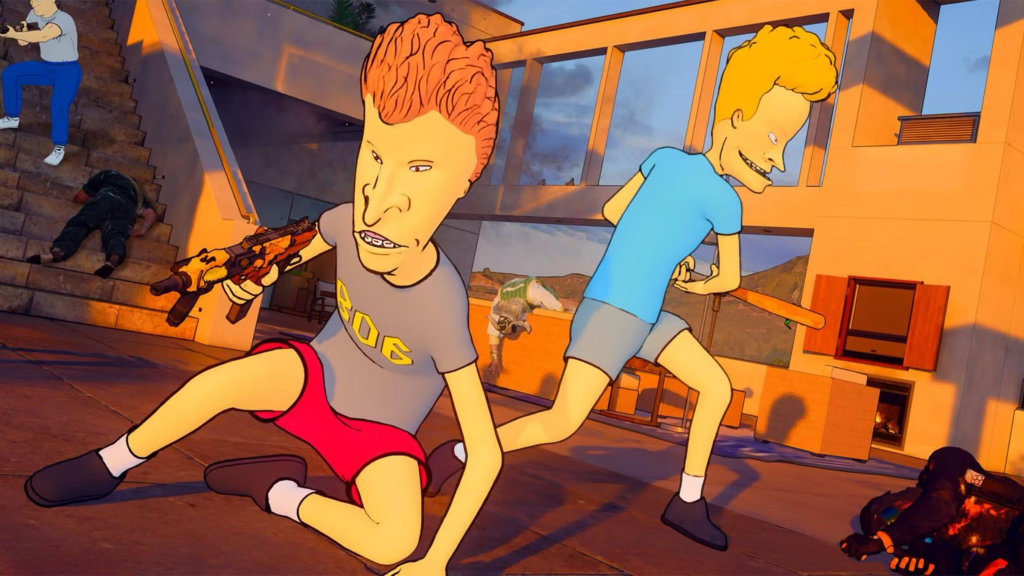
Some skins are great successes, while others tend to divide the fandom. There was a lot of online chatter about the Beavis and Butthead skins released in September 2025. While plenty of people bought the skin packs and likely enjoyed using them, others found them out of place in the game. It’s a matter of opinion, and there’s undoubtedly a nostalgia factor mixed in, so not every skin pack is going to be as well-received as others. Still, if you look through all of the skins released since the game’s launch, there are literally thousands, and the number is growing exponentially, and they’re not always what fans are expecting.
Fortnite’s Skins Are Negatively Affecting Game Development
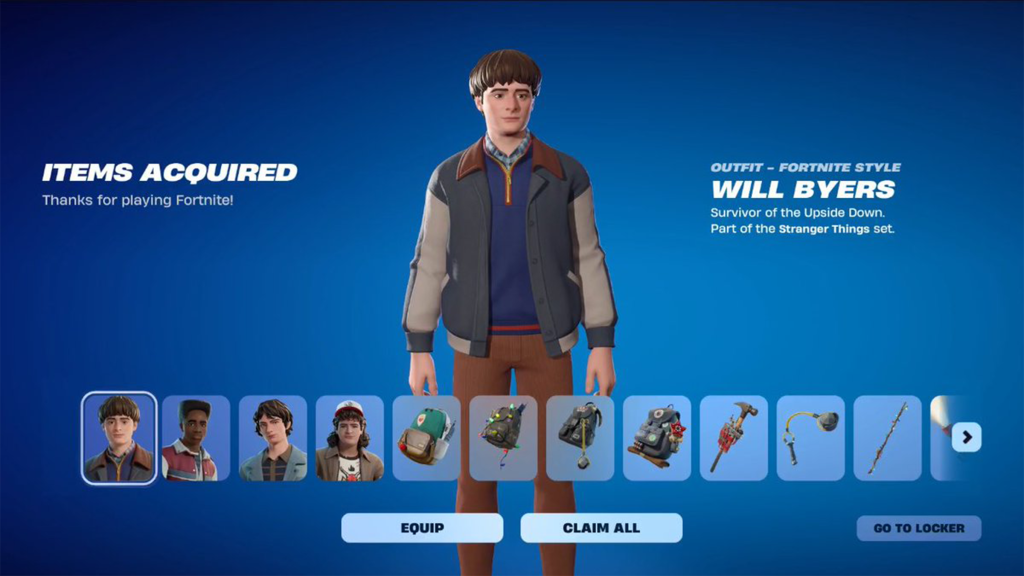
Ultimately, the biggest problem with Fortnite’s many skins doesn’t have anything to do with the game. Players clearly love them, but their success is altering the landscape of the video game industry. Every publisher wants to land a game they can launch once, update continuously, and suck money from for a decade or more. Fortnite is approaching its decennial anniversary, and it isn’t going anywhere. As other publishers catch up, they’ll introduce similar games with widespread appeal. While that’s great for a chunk of the market, it reduces single-player content, as it gets less time, effort, and development resources. It wouldn’t be surprising if we looked back on 2017 as the year the industry forever changed, but only time will tell.
Do you love Fortnite’s skins? Why or why not? Leave a comment below and join the conversation now in the ComicBook Forum!
Most Viewed
-

Courtesy of Crunchyroll -
Image Courtesy of Marvel Comics