There are a handful of games in history that define a genre, but even fewer completely change what players expect from it. In the early years of first-person shooters, most titles were built around speed, chaos, and pure mechanical action. These games were thrilling, but they often lacked a cohesive story and instead offered simple premises that drew players in through gameplay rather than the narrative. These shooters at the time were defined by their levels, not their lore. But the genre would soon shift in a way no one saw coming.
Videos by ComicBook.com
That change arrived with Marathon. When the original was released 32 years ago, it introduced storytelling elements that no shooter had attempted. Instead of being a backdrop, the narrative was essential to the game. Characters had histories, factions had motives, and the world evolved across multiple games. Players were not just engaged through its mechanics, but drawn in through the terminal messages that revealed a chilling narrative. That approach reshaped how shooters could deliver tension and meaning, and its legacy is still seen across the industry. Now, after decades away, the series is returning with a reboot on March 5th that honors the past while taking its ideas in bold new directions, even if many players do not remember Bungie’s Marathon.
Marathon Is the Father of Narrative Shooters
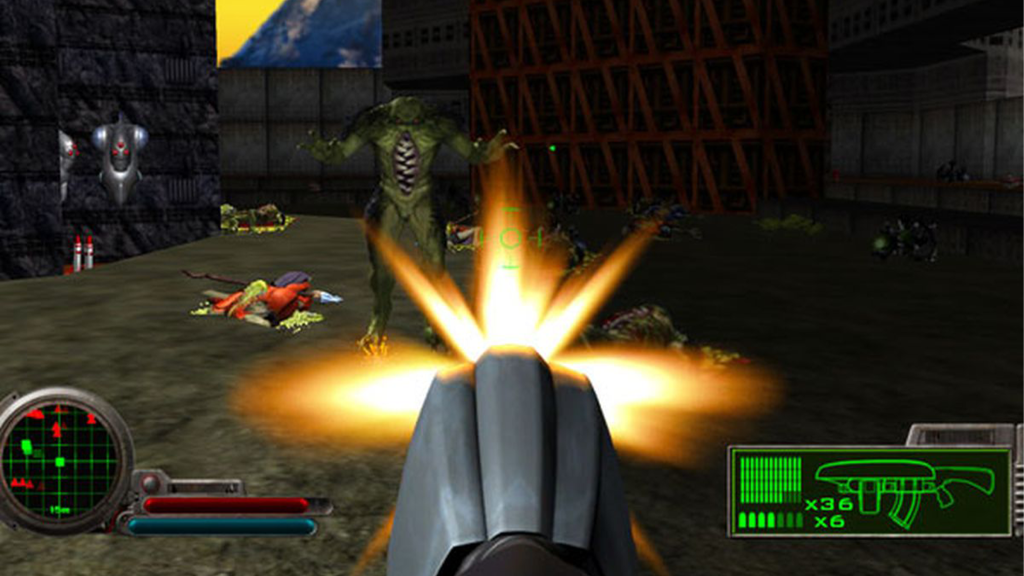
Long before cinematic campaigns became expected in shooters, Marathon was proving that the genre had the potential to tell layered, character-driven stories. While other games focused solely on action, Marathon delivered worldbuilding through its terminal logs, AI personalities, and evolving revelations. Players were not just surviving waves of enemies, but were unraveling a mystery that evolved with each mission. This structure laid the foundation for narrative design that shooters still lean on today.

What made Marathon special was how it treated story as part of the gameplay loop. Reading logs was not a break from the action. Each piece of text offered a clue, a twist, or a reason to reevaluate what you thought you knew. This fusion of storytelling and player participation was rare for the time and set the franchise apart from its peers. It is no exaggeration to say that Marathon opened the door for the modern narrative shooter and is one of the many reasons I am beyond excited for Bungie to return to it, even if it has shifted from a single-player experience to an extraction shooter like Arc Raiders.
Its influence extended beyond Bungie. Games like Half Life, BioShock, and Halo all embraced the idea that shooters could deliver atmosphere, mystery, and plot without pausing the action. Many developers have cited Bungie’s early design work as essential inspiration for what narrative shooters would become. Thirty-two years later, people still recognize Marathon as the game that proved shooters could be about more than reflexes. That they could be about stories that stayed with you long after the firefights ended.
Bungie Has Always Pioneered Great Stories Alongside Great Shooting

Bungie’s reputation for top-tier storytelling did not begin with Halo, as many would believe. It began with Marathon, where the studio built its identity on pairing deep lore with fluid, thoughtful combat. That combination became the blueprint for everything that followed. When Halo: Combat Evolved arrived on Xbox, players immediately noticed the signature qualities that Bungie had refined years earlier, even without having played Marathon. Its memorable characters, large-scale mysteries, and worlds filled with history are heavily influenced by Bungie’s previous shooter.
The connection between Marathon and Halo is unmistakable. Bungie has always understood that a shooter becomes more impactful when the world feels alive. The Halo series is beloved because of how big the universe feels and how the characters bring it to life. That sensation came directly from the studio’s early experiments with narrative layering. Bungie never forgot that players will invest more deeply in a game when they understand the stakes driving their actions.
This focus on storytelling continued into Destiny, where Bungie once again pushed boundaries. The relationship between gameplay and lore has remained a defining trait for the studio across three decades. Even in live service format, Bungie proved that shooters can deliver serialized storytelling with evolving arcs and character development. Its legacy in the narrative shooter space is unmatched, and it all began with the ideas that Marathon first explored.
Marathon’s Return Is Huge for Storytelling in the Shooting Genre
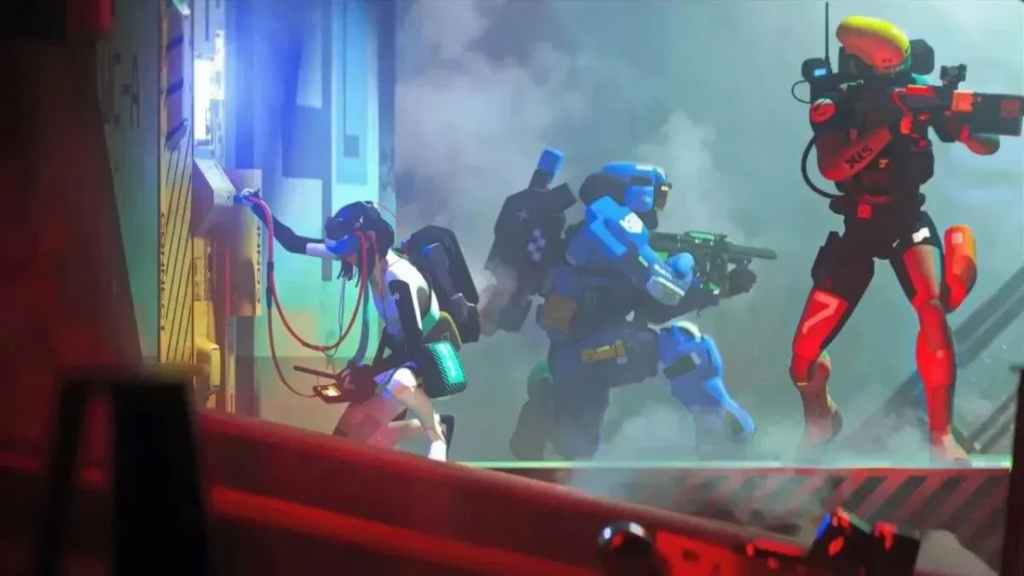
With the reboot arriving on March 5th, I cannot wait to see how Bungie continues the narrative, especially with this visual reimagining and genre shift. The series has been silent for decades, but its impact never faded, influencing games even today. The new game continues the original’s themes while expanding them into a fresh setting. Bungie has already confirmed that the reboot will tie into the larger universe established in earlier entries, but it will also take the narrative in new directions. That balance of familiarity and reinvention is exactly what I am excited for.
The return of Marathon matters because the genre is ready for another evolution. Many shooters today have impressive gameplay but struggle to deliver stories that resonate. So many shooters simply rely on multiplayer live service action and lack a proper narrative. A franchise built on narrative depth is the perfect candidate to shake things up and show why this aspect is important. When the original set the standard over 30 years ago, it did so by challenging industry standards. The reboot is positioned to do the same, especially with Bungie once again at the helm.
For players who experienced the original, this revival is more than nostalgic. It represents the continuation of ideas that changed the genre so many years ago. For new players, it is a chance to step into a universe that helped define what shooters could be. Storytelling in the genre has grown significantly since 1994, but a modern Marathon has the potential to raise the bar once again. Its comeback is not just exciting for fans but important for the future of narrative shooters as a whole.
What do you think? Leave a comment below and join the conversation now in the ComicBook Forum!
Most Viewed
-

Courtesy of Sony Pictures Animation / McDonald's -

Courtesy of Cartoon Network