After 15 of making singular hits, Hades 2 is Supergiant Games’ first sequel. It’s a bold move for a studio to veer from its established path, particularly for its best-received game that completely changed how an entire crowded genre worked. But somehow Supergiant pulled it off, so while Hades 2 is inferior to its predecessor in some regards, it’s a smoother game with a surprising amount of tweaks and changes to make it feel fresh. Saros, Housemarque’s spiritual follow-up to Returnal, isn’t as graceful, demonstrating all the wrong ways to succeed a genre classic.
Videos by ComicBook.com
Hades 2 directly builds on what came before to the point where it immediately looks like just another Hades. However, it quickly becomes clear how much more refined this sequel is. Melinoë is more calculated than Zagreus and much less twitchy. She can’t chain multiple dashes together or rely on mashy tactics as consistently as her brother. Her kit is less focused on outright aggression and more about planning. Omega moves and casts take time to build up and expand the combo potential during battles. The swipes, slashes, and dashes are responsive but not geared toward the blitzkrieg rushes that defined the son of Hades.
Hades 2 Pushes Its Mechanics Forward
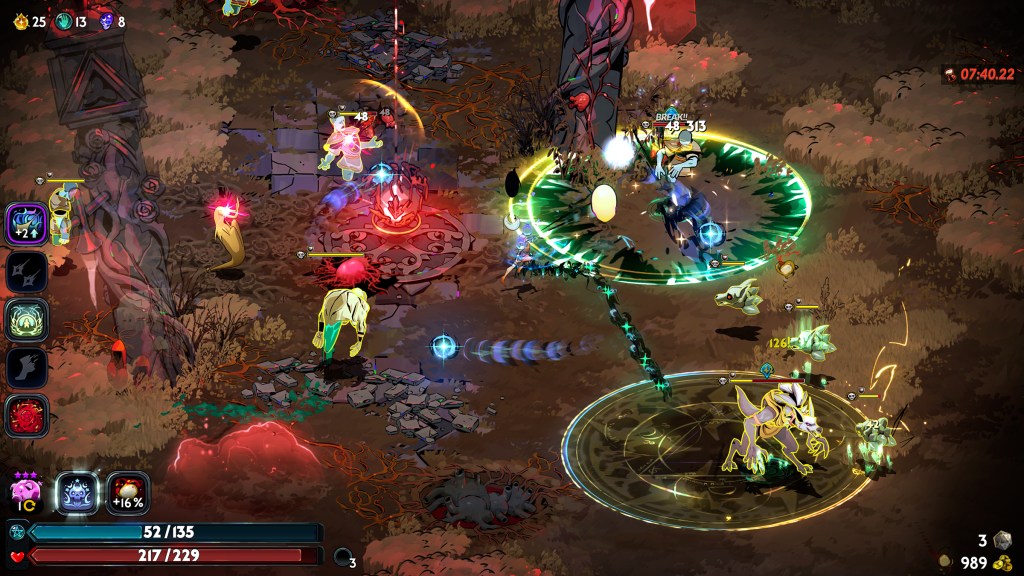
This different kind of pacing means Hades players can’t rely on the same tactics to get through Hades 2. Playing recklessly in the way that worked sublimely in the first Hades will often lead to a quick trip back to The Crossroads in Hades 2. Supergiant created a sequel that was similar enough to the first title to allow for some skill to carry over, but altered enough of the variables to make for a new challenge. Stagnation would have made Hades 2 a remarkably worse sequel.
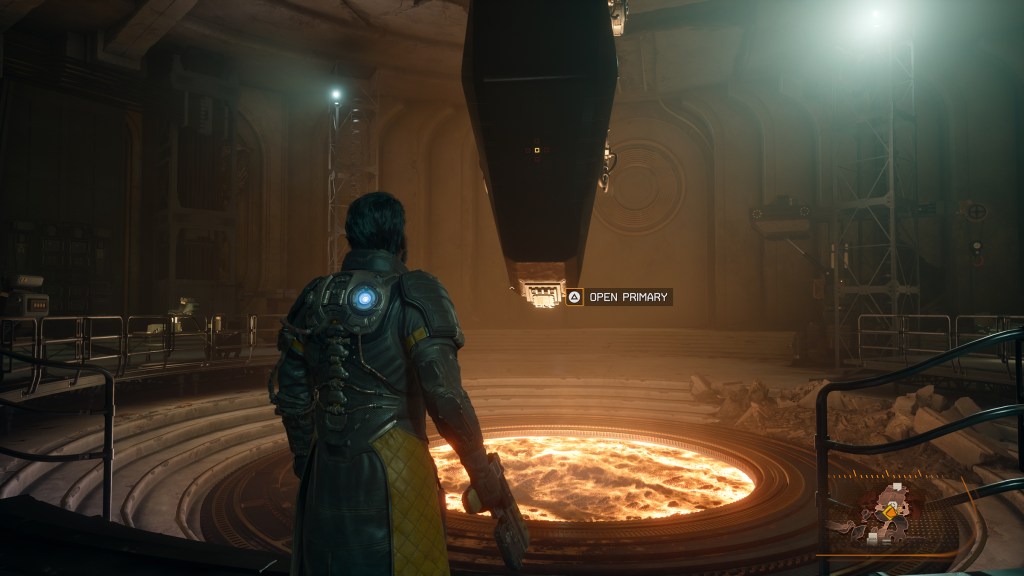
Saros is not as elegantly designed. Players with even some distant muscle memory of Returnal will have a relatively easy time with Saros. Parrying and the shield take some skill to master and are overall fantastic additions, but there’s not much else to adjust to or learn. And it doesn’t amp up the difficulty to give returning players a greater test of their existing skills. Much of its difficulty is derived from being underleveled, which is a poor way to make a game more challenging and explains why its stat-heavy skill tree is so misplaced.

If anything, Saros is significantly easier overall and part of this comes from how stripped down it is. There are fewer room configurations, weapons, perks, and objects to interact with (stores, fabricators, Reconstructors, malignant items, etc.), as well as no consumables to speak of. Having a smaller wealth of options lessens the cognitive load and reduces the pushback the roguelike genre is founded upon. Roguelikes thrive off a variety of options and having those options mix and match with each other to form a game with endless possibilities.
Hades 2, on the other hand, offers a greater wealth of systems and mechanics to better realize that goal of being an endlessly replayable game. Not only are there more Boon types, it has animal familiars, a magic system, a Boon type powered by said magic system, multiple different conceits for each biome, two completely different paths to take at the very beginning, a litany of modifiers to make the game harder with rewards for doing so, multiple materials to harvest, two shop types, short trial runs, longer and much harder trial runs, additional benevolent assists from allies, and more on top of carrying over many of the mechanics from the first game.
Saros Trades Accessibility for Depth
Supergiant built out and expanded Hades 2, which bolstered its roguelike bona fides. It is a more streamlined game in many respects, yet that doesn’t mean it is simpler; in fact, it is built to last longer and its surprises are even brilliantly doled out over multiple hours. Such qualities make it a truer roguelike because the team focused on what aspects roguelikes are best at: unpredictability and variability.
Housemarque, in an explicit effort to appeal to casuals and those who thought Returnal was too hard, pulled back with Saros. More people may be able to roll credits on this spiritual sequel — trophy data will probably confirm this soon — but this strategy has resulted in a shallower and less interesting game that seems unconcerned with being a roguelike. As stated previously, Saros has fewer mechanics than Returnal, but, said another way, it means Housemarque didn’t choose to push ahead, either. There’s no means built into the game to play it infinitely or ways to craft in-depth builds (or builds at all). It does little to mix up its skeletal structure and becomes predictable as a result. The door was open for the team to double down on Returnal’s then-unique framework and go harder in that direction, yet it shirked at the chance and decided to sacrifice depth for the hopes of a broader audience.
Supergiant was much more bold and decided to highlight what was already great about the original Hades and flesh out those aspects in every possible way. Hades has the superior story when compared to its follow-up, but Hades 2 is a deeper game and even more confident in the genre it helped popularize. Housemarque would have benefited from applying those same principles to Saros, a comparatively hollow game that is damned by its lack of confidence and innovation.
What do you think? Leave a comment below and join the conversation now in the ComicBook Forum!
More Gaming
-
Image courtesy of Nintendo