
The Marvel Cinematic Universe stands as one of Hollywood’s biggest achievements. For almost two decades, Marvel Studios has systematically built an interconnected narrative structure that reshaped blockbuster filmmaking and consistently dominated the global box office. Despite some critical and commercial misfires in recent years, this sprawling franchise continues to operate as an industry juggernaut, pivoting past its Infinity Saga to establish a new era of storytelling. The studio’s momentum shows no signs of slowing down, with massive upcoming theatrical releases like Spider-Man: Brand New Day and Avengers: Doomsday positioned to anchor the back half of the 2026 release calendar, leading directly into 2027’s Avengers: Secret Wars.
Videos by ComicBook.com
While the cinematic universe excels at developing beloved heroes, even diehard fans can agree that the MCU has an awful track record with adapting comic book supervillains. The franchise has occasionally delivered monumental antagonists, most notably with villains such as Thanos (Josh Brolin), Loki (Tom Hiddleston), and the High Evolutionary (Chukwudi Iwuji). Despite those isolated triumphs, Marvel Studios possesses a persistent habit of stripping iconic comic book villains of their nuance or unceremoniously killing them off within a single film. As a result, legendary Marvel supervillain adversaries have been reduced to disposable obstacles, sacrificing decades of rich mythology.
7) Crossbones
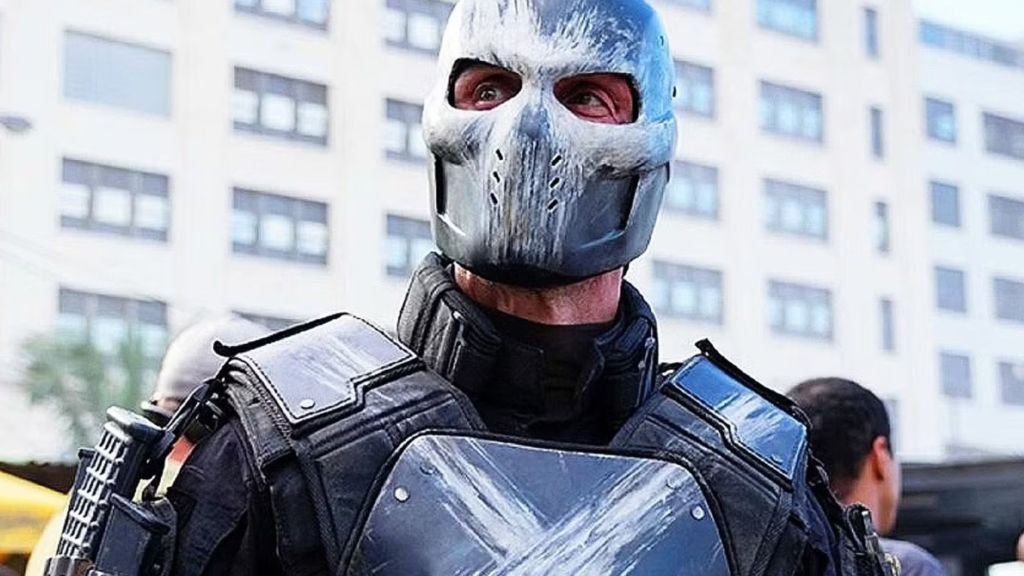
Captain America: The Winter Soldier established Brock Rumlow (Frank Grillo) as an HYDRA sleeper agent capable of challenging Steve Rogers (Chris Evans). The climax of the movie left the mercenary severely burned, perfectly setting the stage for his comic-accurate transformation into the masked terrorist known as Crossbones. Fans eagerly anticipated his return as a primary antagonist in Captain America: Civil War, expecting Steve to be forced to confront the mistakes of his past. Instead, the movie used the iconic villain as a mere plot device for the opening sequence in Lagos. Crossbones receives only a few minutes of screen time before detonating a suicide vest that solely serves to incite the Sokovia Accords. As a result, the franchise squandered a lethal adversary who had the potential to be a recurring threat to Steve Rogers across the MCU.

6) Ulysses Klaue
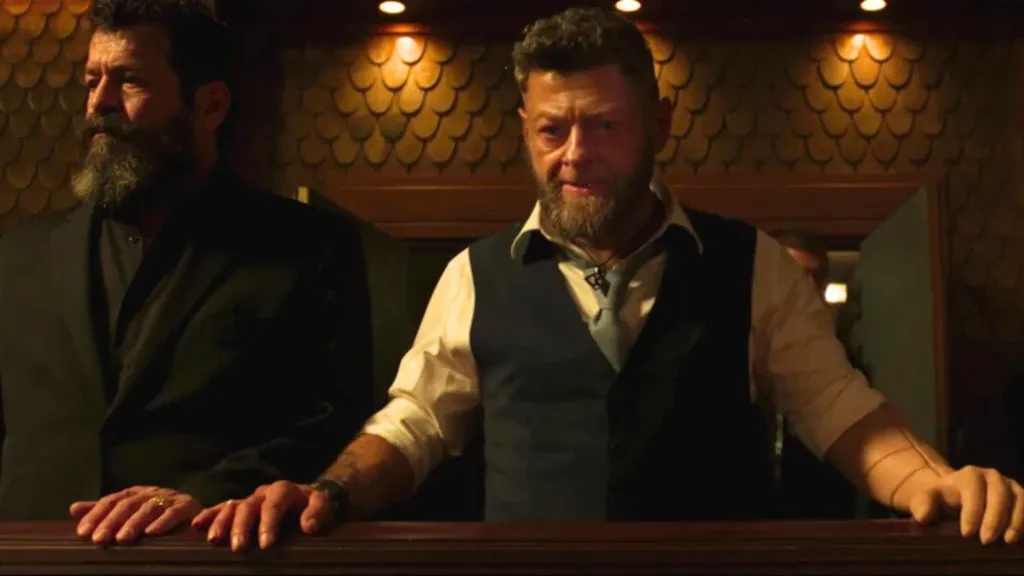
Ulysses Klaue (Andy Serkis) burst into the cinematic universe during Avengers: Age of Ultron, where he acted as a minor secondary antagonist. Still, the black-market vibranium dealer firmly established himself as a charismatic and dangerous opportunist, a reputation he successfully carried over into Black Panther. Serkis’s unrestrained performance perfectly captured the character’s comic book eccentricities, using a modified prosthetic arm to terrorize international authorities and challenge Wakanda’s isolationist policies. However, just as the villain reached his cinematic stride, Killmonger (Michael B. Jordan) unceremoniously executed him halfway through the film to gain access to the hidden African nation. Klaue’s sudden assassination served its purpose but permanently removed one of the most entertaining villains in Black Panther (Chadwick Boseman)’s rogue gallery.
5) Malekith
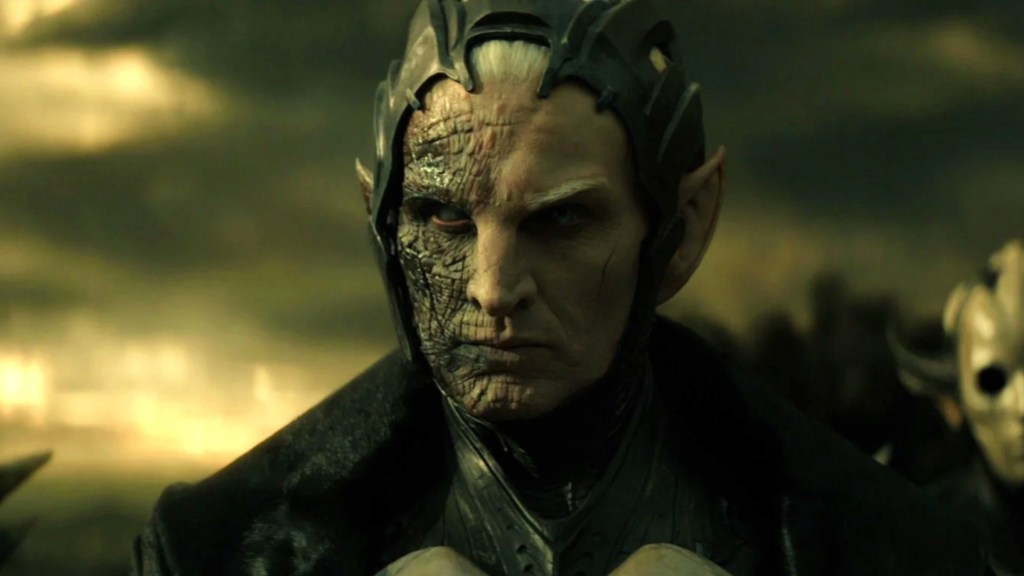
Malekith possesses a rich comic book history as a chaotic and manipulative force of nature who frequently torments Asgard with elaborate illusions. In Thor: The Dark World, Marvel Studios introduced the legendary ruler of the Dark Elves (Christopher Eccleston) as something completely different from the pages. The theatrical adaptation stripped away that vibrant personality and complex magical arsenal, reducing the ancient warlord to a generic conqueror motivated entirely by a vague desire to plunge the universe into darkness. On top of the character assassination, this simplified motivation completely undermined Eccleston’s considerable dramatic talents, burying his performance under heavy prosthetics and a fictional language that sounds bland. The film also discarded Malekith just as quickly as he arrived, crushing him beneath his own spaceship during the climactic battle and closing the door on any future cosmic conflicts that could redeem this misguided version.
4) Taskmaster
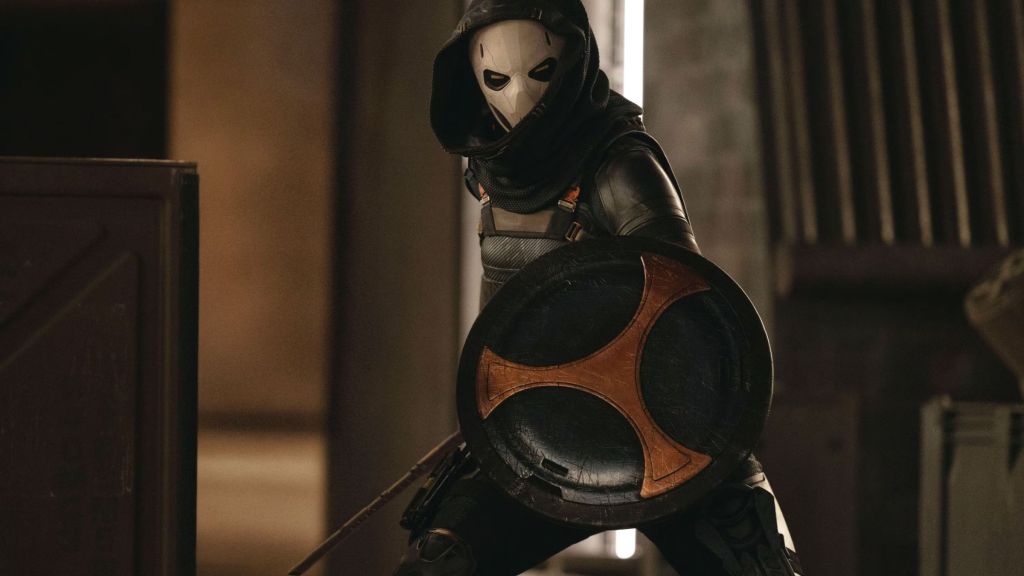
The depiction of Taskmaster in Black Widow stands as one of the most heavily criticized character adaptations in the history of the MCU. In Marvel Comics, the mercenary is a boastful, highly pragmatic combat instructor who uses a photographic memory to perfectly mimic the fighting styles of any opponent. Black Widow erased this distinct personality, reinventing the character as Antonia Dreykov (Olga Kurylenko), a silent, mind-controlled cyborg acting as a blunt instrument for her father, General Dreykov (Ray Winstone). This drastic change transformed a fan-favorite, wisecracking anti-hero into a mute enforcer devoid of any agency or defining motivations. Marvel Studios had the opportunity to rectify this misstep by including the mercenary in the ensemble film Thunderbolts*. Sadly, instead of rehabilitating the character, the 2025 production unceremoniously killed Taskmaster off in the first act, having Ghost (Hannah John-Kamen) execute her during an ambush at the OXE compound.
3) The Red Skull

In the comic books, Johann Schmidt, aka the Red Skull, is Steve Rogers’ ultimate foe, a recurring threat willing to dismantle Captain America’s ideals through whatever cruel means he can. The MCU brought the Red Skull (Hugo Weaving) into the fold during the events of Captain America: The First Avenger, presenting a terrifying reflection of the Super Soldier program. Weaving delivered a commanding performance that perfectly captured the megalomanic ruthlessness of HYDRA’s founder, elevating a traditional comic book fascist into a genuinely intimidating cinematic presence. However, rather than allowing the villain to survive and plague Steve Rogers (Chris Evans) in the modern era, the movie transported him across the cosmos via the Tesseract. The Red Skull vanished from the franchise for seven years, eventually returning in Avengers: Infinity War as a spectral guide on the planet Vormir. The reassignment neutralized Earth’s most dangerous ideological zealot, transforming a mastermind into a passive exposition delivery mechanism.
2) MODOK
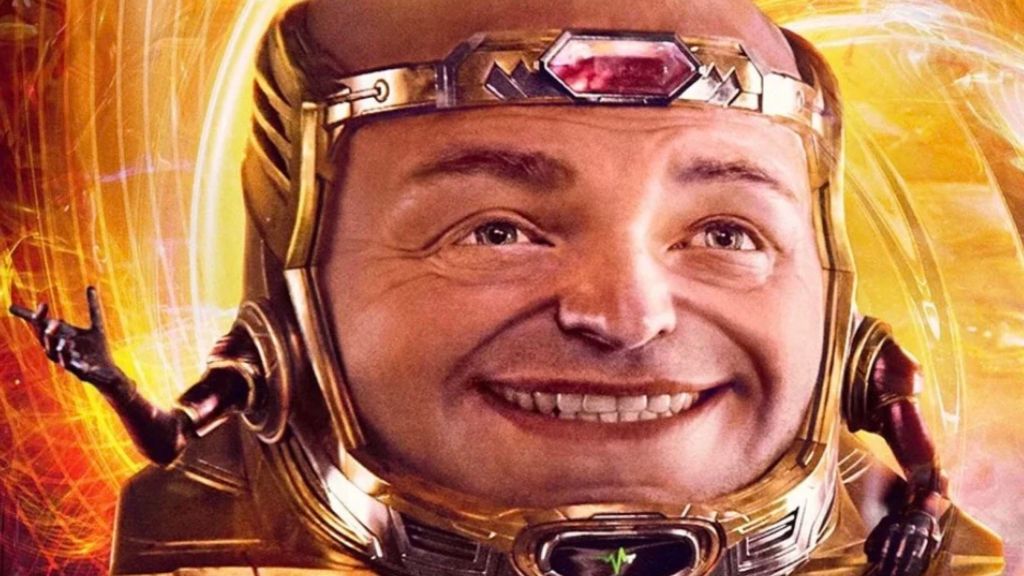
The introduction of MODOK in Ant-Man and the Wasp: Quantumania took a bizarrely comedic approach to one of Marvel’s most distinctive adversaries. Instead of introducing George Tarleton, the hyper-intelligent and cruel leader of Advanced Idea Mechanics, the production resurrected Darren Cross (Corey Stoll) from the original Ant-Man. The former corporate executive survived his subatomic shrinking by mutating into a giant floating head encased in golden armor, serving as a glorified attack dog for Kang the Conqueror (Jonathan Majors). This creative decision completely abandoned the villain’s history as a supreme strategic genius, repurposing the character as a running visual gag marked by slapstick incompetence and awkward dialogue. In fact, the giant-headed mercenary spends the runtime enduring constant humiliation before undergoing a highly unearned redemption arc in his final moments. It’s painful to see one of Marvel Comics’ most enduring supervillains being reduced to a disposable punchline, one of the many reasons why Ant-Man and the Wasp: Quantumania is still one of the worst MCU movies ever.
1) Gorr the God Butcher
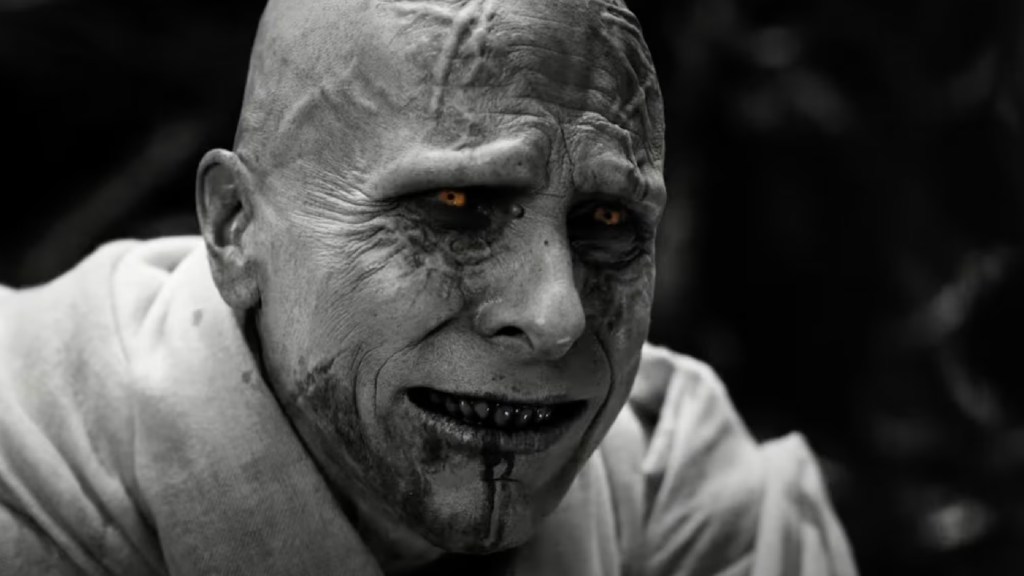
Jason Aaron’s legendary comic book run of Thor established Gorr the God Butcher as a deeply tragic and horrifying serial killer driven by a profound hatred for the gods. The introduction of Gorr (Christian Bale) in Thor: Love and Thunder signaled that the MCU intended to honor that complex mythology. The actor delivered a genuinely unsettling performance, but, unfortunately, the production heavily favored improvisational comedy and romantic subplots, severely limiting the villain’s screen time and pushing his actual god-butchering entirely offscreen. In addition, the tonal dissonance between the antagonist’s agonizing grief and the surrounding film’s relentless humor severely undercut the character’s menace. The narrative ultimately concluded with the killer’s death, closing the book on a supervillain who had enough depth to carry an entire phase of interconnected storytelling.
Which iconic Marvel villain do you think the cinematic universe fumbled the most? Leave a comment below and join the conversation now in the ComicBook Forum!




Forum Conversation: Which Marvel villains do you think the MCU wasted?
Go to ForumI truly love me some James Spader, but Ultron wasn’t snarky in the comics. He scared the crap out of the Avengers and me.
I would say they missed opportunities with Kang. They could have at least recast him, but I know that may have also caused issues. MODOK comes to mind as another one. I also think they could have done more with Gorr, however, I don’t really know much about the character.
I’ll also cast a vote for MODOK. That was so bad. And I was expecting much more from Christian Bale as an unhinged villain.
Klaw is an interesting one on that list I didn’t really consider, but who wouldn’t want to see more of Andy Serkis? I really enjoyed him in Black Panther.