Video games have been around for a long time, stretching as far back as 1958. Because games have been popping up around the world for the better part of a century, countless thousands of people have played their part in influencing the industry. While it may sound hyperbolic to say that any one person influenced the industry enough to save it from collapse, it’s actually 100% accurate. A Japanese game designer named Shigeru Miyamoto is that person. If you clicked on this article, you probably already know who Miyamoto is, as he’s one of the leading designers at Nintendo and has been for decades.
Videos by ComicBook.com
Still, most likely don’t realize how influential Miyamoto has been to video games, and it’s accurate to say that he saved the industry from utter failure. In 1983, the video game industry collapsed following a massive recession in the United States. That’s not referring to a widespread economic recession; it’s about the industry itself, which became inundated with absolutely horrible games. You’ve likely heard the story of what is widely considered to be the worst game ever made: E.T.: The Extra-Terrestrial on the Atari 2600 — that’s the game that takes much of the blame for the crash, and it took Miyamoto’s work to bring everything back around to profitability.
We Might Not Have a Video Game Industry Were It Not for Shigeru Miyamoto
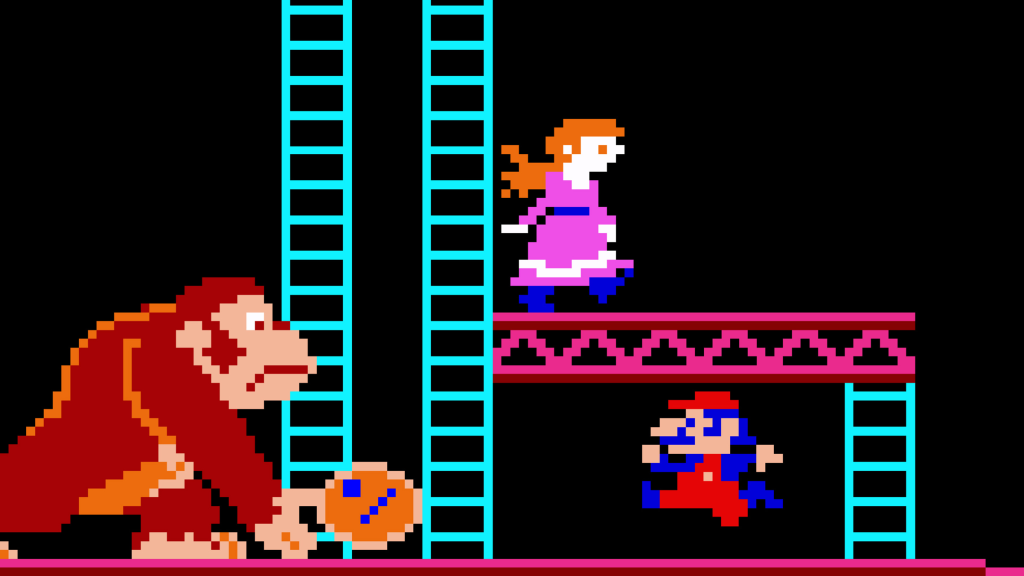
Before examining how Miyamoto saved video games, we need to look back to 1981, when a little arcade game called Donkey Kong found its way to the United States. It was the first title that Miyamoto developed, and he created it during a time when Nintendo was on the edge of financial ruin. It had just lost a ton of money on its failed Radar Scope game, so Miyamoto was tasked with creating something to install in the 3,000 cabinets collecting dust in Nintendo’s warehouse. He created Donkey Kong, which not only established the platformer genre but also saved Nintendo from bankruptcy, making the company a leading contender in the industry.
It also showed that Nintendo had some seriously impressive talent on its hands. Miyamoto had worked at Nintendo since the ‘70s, but didn’t gain much attention until Donkey Kong blew up, so he was given more assignments. This led to the creation of two important games: Super Mario Bros. and The Legend of Zelda, released in 1985 and ‘86, respectively. This came after he created the arcade game Mario Bros., introducing Luigi and solidifying Mario as the company’s potential mascot. Nintendo bundled Super Mario Bros. with the Nintendo Entertainment System, putting the entertaining side-scrolling platformer in the hands of nearly everyone who owned the system.

The game was a legendary success, establishing many of the genre’s norms, but it did something far more important: it saved the industry. The crash of ‘83 was destructive to numerous companies throughout gaming, but Nintendo weathered the storm via Donkey Kong. When it released its home video game console in North America, its initial success was largely owed to Super Mario Bros. That made Nintendo the leading company in the home console marketplace, but Miyamoto didn’t stop there. He created The Legend of Zelda the following year, establishing it as a premier role-playing game with a variety of technical innovations that set it apart. Both games established massive franchises, and Nintendo went on to become the name in video games.
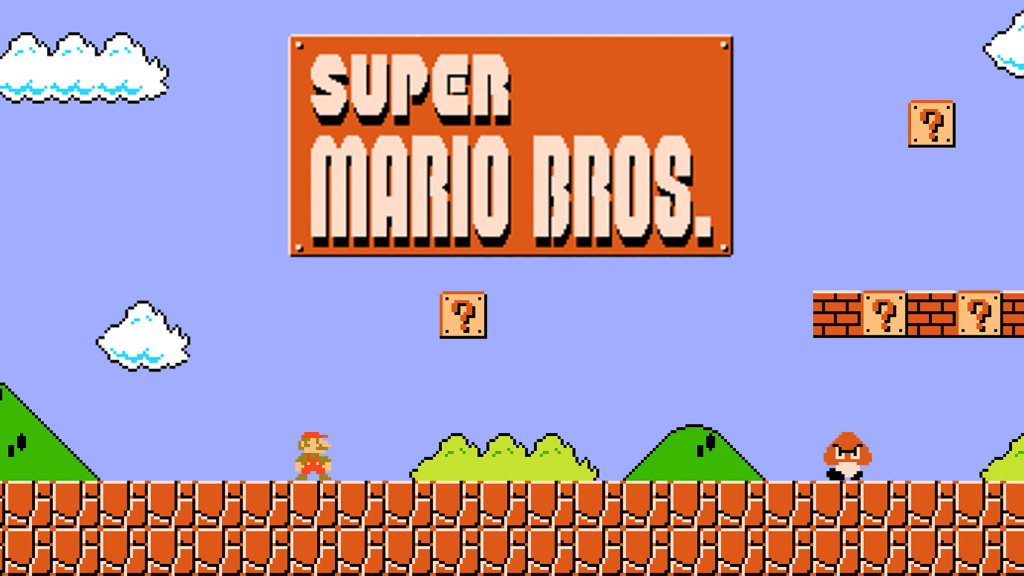
It’s impossible to study the history of video games and not see Miyamoto as its savior. The crash of ‘83 was so bad that news outlets at the time claimed that video games were a passing fad. They were discounted as a gimmick that came and went — people enjoyed them for a while, but gaming didn’t have a future. Miyamoto and many other dedicated artists, composers, and coders had other plans. Miyamoto didn’t work alone, but he was in charge of many of history’s most important games. Were it not for his work, Nintendo would have long been forgotten.
A handful of folks might refer to it alongside other defunct companies, but that’s not how things played out. Miyamoto’s talent and determination turned things around by building a base upon which Nintendo, and by extension, all video game companies, became established. As of writing, Miyamoto continues to work with no plans for retirement, but when he does finally decide to end his career, video game enthusiasts will have lost someone special.
Have you enjoyed Shigeru Miyamoto’s work over the years? Leave a comment below and join the conversation now in the ComicBook Forum!
Most Viewed
-

Image courtesy of Daybreak Game Company -
Image courtesy of MAPPA