Marvel’s Wolverine has been showcased ahead of its release through exclusive previews, displaying the similarities and differences in its gameplay compared to developer Insomniac Games’ last projects. Many players were worried that Marvel’s Wolverine would be a toned down version of the fluid systems in the Marvel’s Spider-Man series, with combat and traversal features not quite fitting the six-clawed hero. However, new details paint a much more promising picture, with Marvel’s Wolverine feeling like a fresh experience.
Videos by ComicBook.com
The biggest difference between Marvel’s Wolverine and the Spider-Man games is obviously the rating, as Insomniac’s adventure with Wolverine is an M-rated journey with far more violence and gore. This befits the character more, with a darker story and extreme violence charting a path in both the gameplay and cutscenes shown for the game so far. That being said, some of the story details of Marvel’s Wolverine does share some similarities with Marvel’s Spider-Man, outside the combat that takes up the majority of the player’s time.
Marvel’s Wolverine Shows Off New Gameplay In Extended Previews That Show Logan’s Brutality Even More
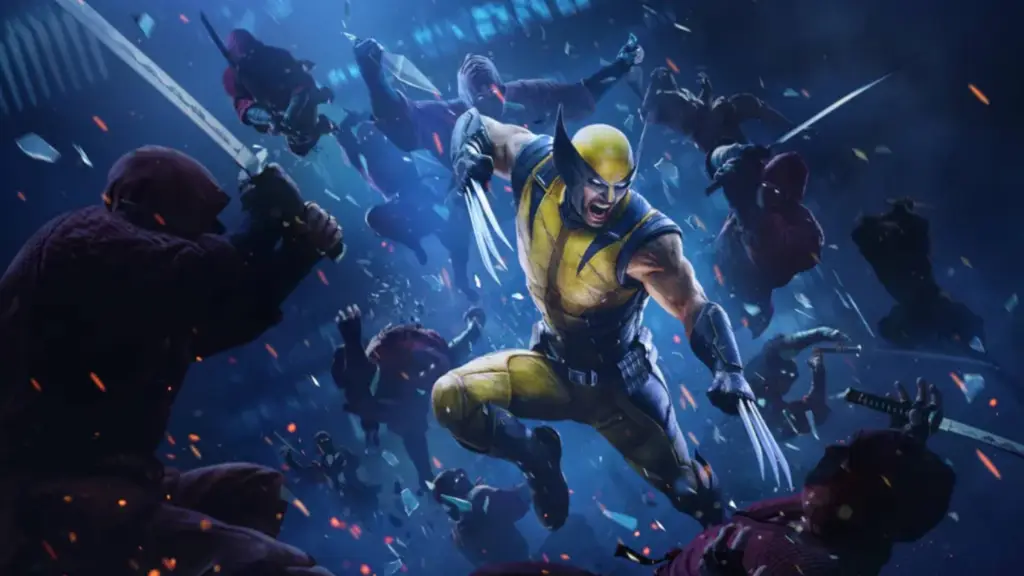
Much of the early footage for Marvel’s Wolverine shows a brutal combat system built off the bones of Marvel’s Spider-Man, but with key differences that make it a fresh battleground for the adamantium-infused mutant. For starters, the camera is much closer to Wolverine, whose attacks consist of close-range slashes that spew rivers of blood upon each landed hit. There are more enemies to fight than in a typical Marvel’s Spider-Man encounter too, creating a chaotic atmosphere even during the introductory or tutorial segments of Marvel’s Wolverine.
One element from Marvel’s Spider-Man that returns is how players can leap to targets with the touch of the Triangle button on PS5. This was a web zip attack before, but now exists as lunging claw strike with Wolverine, who also auto-targets enemies nearby if you don’t manually focus on an individual foe first. These systems draw some player criticism for holding people’s hands too much, but thankfully, Marvel’s Wolverine has other combat features to combat that limitation. For example, players have to carefully time a parry to turn the tables on tougher opponents, adding some skill depth into gameplay.
In addition to a parry system, players can build Rage by hitting enemies and blocking attacks as Wolverine. When Rage reaches its peak, the screen becomes black and white, while Logan can perform instant takedowns for a brief period of time. This white hot Rage also can be used to revive Wolverine if he loses all his health, acting as something you can spend on his healing factor instead of an offensive state. This encourages you to constantly be building Rage for very specific purposes, unlike the loose Focus Meter in Marvel’s Spider-Man that controls a wider variety of actions.
Some Similarities Between Insomnaic’s Wolverine & Spider-Man Games Give Players A Foothold
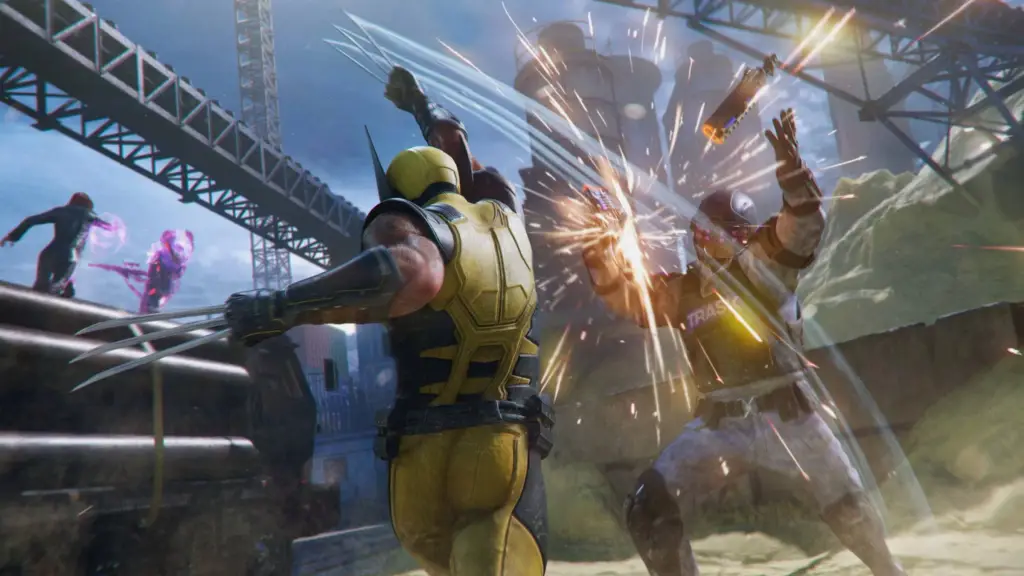
On the other hand, the Focus Meter and Rage systems from both Insomniac games share a similar purpose, making it a mechanic players might understand quickly in Marvel’s Wolverine. The key difference here is that Wolverine does not have special gadgets to manipulate situations and build Rage in ways other than aggressively fighting his enemies. You need to be relentless with Logan to generate Rage fast, as it is tied to winning fights more than any other system. Marvel’s Spider-Man had Focus Meter as your end goal to fights, while Rage is your beginning, middle, and end in Marvel’s Wolverine.
The core of Insomniac’s fast-paced combat is still in Marvel’s Wolverine, though, especially in the intro sequence of the game. Players have to combine attack chain combos with dodges and parries to defeat enemies, who come in all shapes and sizes. Although Wolverine can web swing or leap acrobatically into the air to out-maneuver foes, he can jump across far distances and climb up any variety of walls, almost giving the game an Assassin’s Creed feel at times. Much like Marvel’s Spider-Man, a mixture of stealth and action drive forward combat encounters, with each approach depending on player preference.
New Features In Marvel’s Wolverine Are Driven By Systems That Feel Unique Rather Than Solely Familiar

In addition to the Rage system, Marvel’s Wolverine has other mechanics unique to it, including the ability to call upon an ally while fighting. During the Prototype Sentinel boss fight shown in the gameplay previews, Wolverine can press R1 to call upon Mystique, who delivers a sniper shot to the boss and opens up a window for Logan to attack. Players can expect similar, yet different, partnership abilities from characters like Jean Grey or Sabretooth later in the game. That being said, these characters have their own quirks that makes their assistance feel different, such as Sabretooth stealing Wolverine’s kills.
To avoid some of Marvel’s Spider-Man‘s weaknesses, this game is going all out on upgrade features for Wolverine too. From what little we’ve seen, Wolverine can use different abilities similar to the skills seen in Marvel’s Spider-Man 2, but has a wider variety of passive buffs along with actual combat techniques. Various challenge mini-games also seem to provide new rewards for Wolverine as well, giving players space to learn this game’s independent systems more. Despite the many comparisons to Marvel’s Spider-Man, Marvel’s Wolverine paves its own path, building on what came before rather than copying successful systems of the past.
More Gaming
-

Image Courtesy of Ubisoft -

Image Courtesy of Dotemu -

Courtesy of Electronic Arts -

Image Courtesy of Electronic Arts -

Courtesy of Arkane, Bethesda Studios, and Marvel Games