The Mario franchise is a wide-ranging one, with Nintendo’s marquee character evolving over the years into the sort of perpetually adaptable mascot who can headline almost any type of game. There’s an inherent sense of innocence to the character, the vivid colors and soft edges of his world serving as an inviting place for young gamers. More than just platformers and 3D adventure games, Mario titles have also been great introductions to other genres over the years, ranging from racing and sports to the plethora of chaotic mechanics that Mario Party can deploy at the drop of a hat.
Videos by ComicBook.com
Perhaps the best example of this remains Paper Mario, which debuted 25 years ago in North America on February 5, 2001. The game’s tight mechanics, strong writing, and unforgettable art design made it the ideal jumping-on point for younger players looking to try out an RPG, while also providing enough depth for more experienced players to dive into. A quarter of a century later, Paper Mario stands out as one of the best all-ages RPGs ever made and remains a true classic of the genre.
Paper Mario Was Designed For Everyone
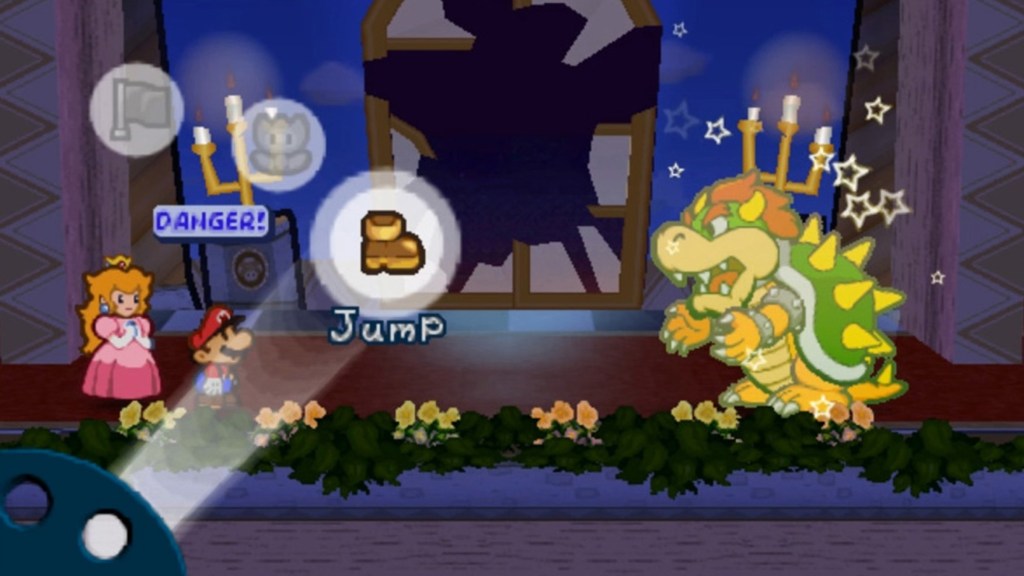
Intelligent Systems has made plenty of great games with Nintendo, including titles in the Advance Wars, Fire Emblem, and WarioWare franchises — but their best achievement might still be Paper Mario, which is a nearly perfect RPG for all ages. Initially meant to be a direct follow-up to Super Mario RPG, Nintendo’s plans changed when Square Enix declined another collaboration to instead focus their attention on the then-upcoming Final Fantasy VII. Nintendo shifted gears and brought in Super Smash Bros. developers HAL Laboratory to write the story for the next Mario RPG, while Intelligent Systems handled the game development.
Taking inspiration from golden age animation and titles like PaRappa the Rapper, Art Director Naohiko Aoyama landed on a colorful cutout visual style that allowed the limited graphics capabilities of the Nintendo 64 to produce a vivid and cartoonish world. Paper Mario follows the typical direction of the series, focusing on the titular hero facing off with Bowser to save Peach and the larger Mushroom Kingdom. Along the way, Mario recruits a number of allies, each with their own unique skill sets in combat and abilities that enhance the player’s abilities to explore the overworld. The turn-based combat included some specific prompts and action beats to liven up potentially slow game mechanics.
This had the dual benefit of keeping younger players engaged in the combat while providing a fun tweak on the typical formula for experienced RPG players. It all comes together to make a game that’s very easy to get into, something critics lauded at the time. Earning a very impressive cumulative Metacritic score of 93/100, even the notoriously hard-to-impress critics at Famitsu loved Paper Mario enough to give the title an extended retrospective to honor its Japanese debut a few months before it came to North America.
Why Paper Mario Is So Timeless
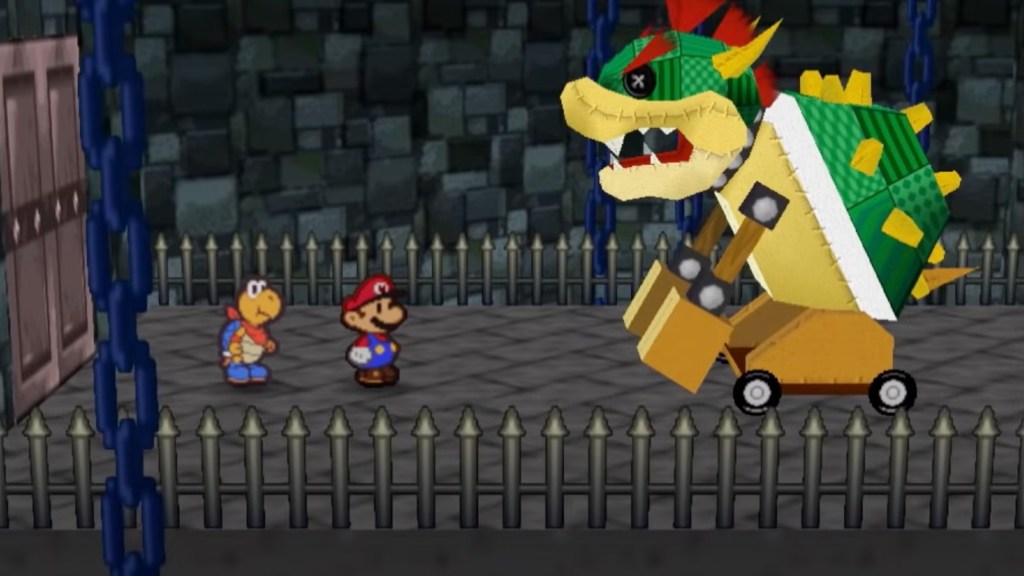
According to Shigeru Miyamoto, who served as a producer and consultant on the game, noted at the time that the game was very much designed with an “amateur” gamer in mind. This is reflected in the game design, visual aesthetic, and storytelling. While it had a fairly straightforward narrative, the true magic of Paper Mario came from the tight design, clever writing, and charming characters. The animations are cute, with the purposefully simplified designs of the characters allowing for more expressive moments than what the typical 3D graphics of the time could accommodate. It’s a clear indication of tone, and the paper machete-style worldbuilding creates a uniquely sweet environment to explore. It never stops being a Mario game, either, with the emphasis on well-timed jumps for additional damage or blocks to reduce attacks ensures that the game feels consistent with the rest of the overarching franchise.
Even compared to the rest of the Mario brand, Paper Mario is perfectly designed to appeal to audiences of all ages. The power-ups are simple to learn, the enemies are easy to predict, and the world is fun to explore. There’s a lightness to the storytelling in Paper Mario that also plays well with younger audiences, as well as a cheeky sense of humor that makes the entire experience more charming for adults who catch some of the gags that might slip by younger players. Elements like the braggart Bowser or the sneaky Peach might have been elements in previous iterations of the characters, but they really come into their own in Paper Mario in a way that has continued to influence the overarching franchise even beyond the RPG space. Paper Mario still stands out, over two decades later, as one of the best examples of Nintendo’s ability to craft expertly designed takes on established genres that nevertheless appeal to both casual and hardcore gamers. Paper Mario can be your first RPG or your 100th, and you’ll still find plenty to love.
Most Viewed
-

Image Courtesy of Netflix -

Image courtesy of Marvel Studios -

Courtesy of SuperGiant Games -

Courtesy of Crunchyroll -

Courtesy of Eight-Bit