In modern mass media, the success of established IP has resulted in lengthy bursts of familiar material being the norm. Instead of new stories or fresh faces, the industry has been largely ruled by a handful of properties. Plenty of franchises have repeated and reiterated themselves with fresh releases, remasters, and remakes. In an environment like this, it’s easy for IP to fall into routine, releasing a new entry every few years with little fundamental change or ambitious advancement. It’s often a complaint in mass media that there simply aren’t enough original ideas out there because the established franchises are the money-makers.
Videos by ComicBook.com
However, gaming has had two very fascinating success stories within the span of a year that undercut that idea. The massive success of Clair Obscura: Expedition 33 a year ago and strong sales from Pragmata‘s debut speak to the hunger that gamers have for original titles. Fresh stories, new characters, and unique tweaks on established mechanics are pooled together with both games to give players something wholly new. Coupled with the ever-expanding field of original indie titles and the strength of that market, gamers are increasingly turning away from established worlds and looking for newer pastures — and original titles are proving to be the main draw.
Why Original Games Are Becoming Blockbuster Hits
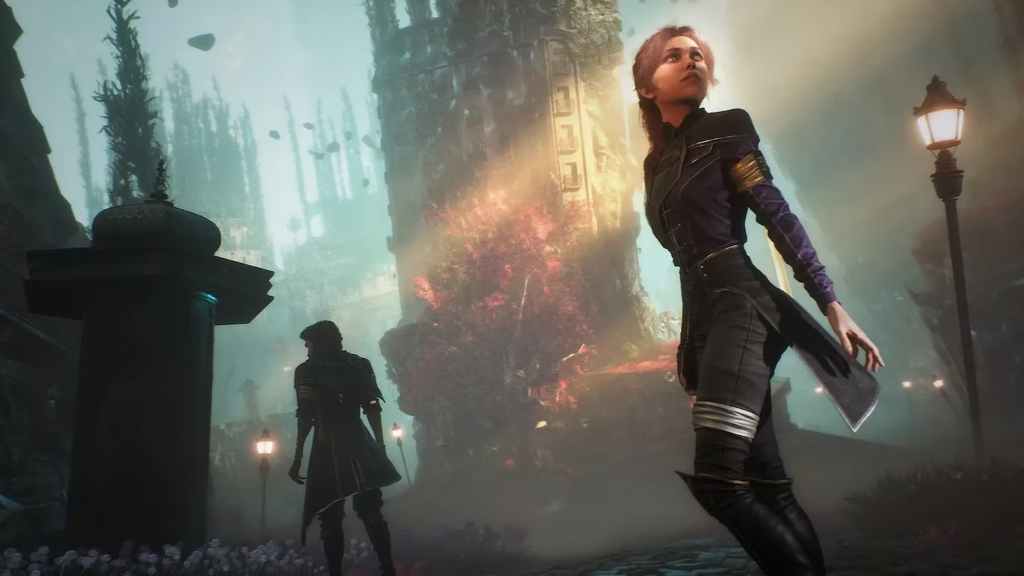
In the last twelve months, there’s been a notable shift in gamer preference for newer titles. Last year, for example, Clair Obscura: Expedition 33 broke out in a major way and became one of the biggest titles of the year. The original story, inspired in part by what came before but firmly committed to charting its own future, felt like the realization of the JRPG genre from a modern perspective. The blend of strong emotional storytelling and rock-solid gameplay won over fans and critics alike, eventually leading it to become one of the most critically acclaimed games in recent memory.
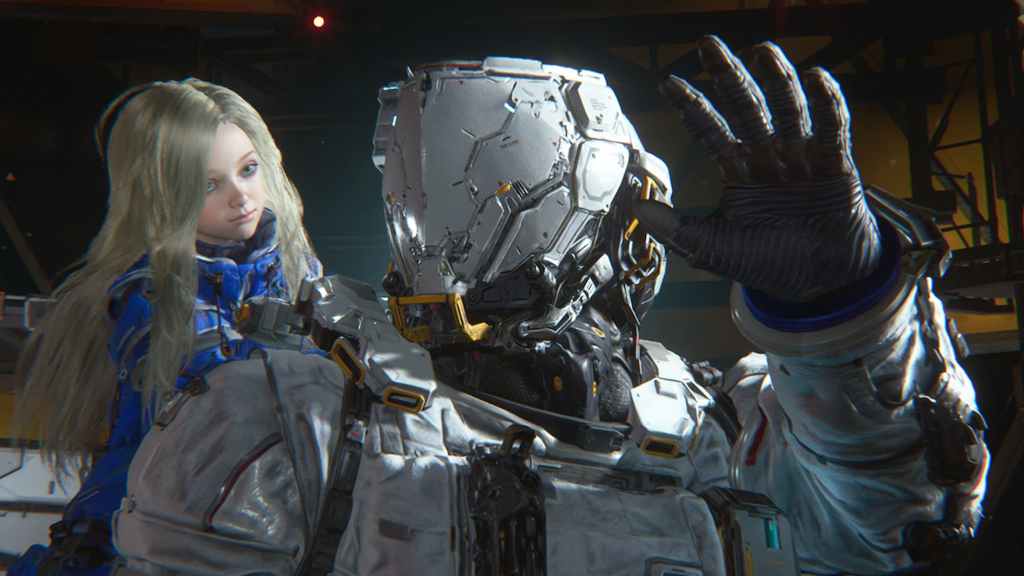
While it remains to be seen if Capcom’s Pragamata can match those heights, it is certainly off to a good start. The sci-fi adventure has a terrific story and a very fun riff on combat that puts additional emphasis on the interplay and relationship between Hugh and Diana. That central dynamic is key to the gameplay and narrative, as well as the emotional core of the experience. Similar to Clair Obscura, the immediate success of the game on platforms like Steam is very promising. Granted, it has a fairly short run time for a AAA title — but that’s actually to its advantage, as the game is more focused as a result. It tells a singular story with a clear emotional throughline and an original plot that plays on familiar tropes at its own unique pace. It delivers a tight action experience that doesn’t need to be replayed a hundred times to stick out in your memory and carve out your heart. It’s the sort of game that stays with players and is compelling to discuss with others.
Clair Obscur And Pragmata Highlight A Truth About Modern Gaming
The success of both these games also underscores a notable shift in the preferences of younger gamers. Recent reports have suggested that young players are moving increasingly away from the established AAA franchises of generations past, giving way to a greater embrace of sandboxes like Minecraft or Roblox. There’s still a clear love for gaming, even a greater influx of casual players, thanks to the modern advancements of mobile platforms. However, it’s notable that the broader audience is leaning more towards the new instead of just falling back on the old. The established brands that used to move the needle more than anything else still do well, but they’re not dominating the conversation.
It’s no coincidence that these developments are coming on the heels of storied franchises like Call of Duty struggling. Even older broad hits like Fortnite (which debuted nearly a decade ago, in 2017) may have plateaued. Older brands can still command a certain level of loyalty, but that also comes with expectations for massive returns. The long-running series that have really thrived in the modern era — such as the core franchises from companies like Nintendo and Rockstar — have largely benefited from longer development cycles and more dedicated shifts in form, narrative, or setting. Each of their games feels different and new. The industry is clearly itching for new material; the massive success of Clair Obscur and Pragmata proves that. Even if the game isn’t a live-service perpetual title, a tight story that wins over fans, impresses new audiences, and pays off long-running developer fandoms is infinitely more worthwhile (and valuable to a publisher). All of this comes alongside the massive increase in available indie gaming, thanks to platforms like Steam, which also serves as good testing grounds for the new.
As a gaming fan who loves to see the medium push itself, there’s nothing more exciting to see than developers experimenting and fans responding in kind. I’d much rather have a dozen tightly constructed experiences than two perpetual games that end up shutting down within two years. Coupled with other recent trends in what’s popular among gamers, the success of original titles underscores the importance of taking this direction in the industry and the limitless potential that it presents. Pragmata and Clair Obscura could become franchises in their own right — comments from the team who worked on the former suggest that is very much the plan — but their successes in the broader market as new solo titles prove players of all ages are more excited to delve into something fresh than just keep repeating what came before.
More Gaming
-

Courtesy of The Pokemon Company