Nintendo is one of the most well-known and successful video game studios thanks to the numerous IPs under its belt. Some of these are best known for their leading characters, such as Mario and Link, and have become instant hits. Not every Nintendo property enjoyed that level of success from the beginning, though. Some have gradually grown into what they are today, and more often than not, there is a single defining entry that made that possible. When I look at one of my absolute favorite series, it seems quite obvious how it became as large as it did.
Videos by ComicBook.com
Animal Crossing: New Horizons is easily one of the games I have the most play time on for my Switch. And I’m not alone, the game exploded in popularity and was a major success. But that would never have been possible without Animal Crossing: New Leaf on the Nintendo 3DS. I don’t think anyone could have seen how massive the series would become when looking at past games, but New Leaf helped launch Animal Crossing into one of Nintendo’s main IPs.
Animal Crossing: New Leaf Was Revolutionary on 3DS
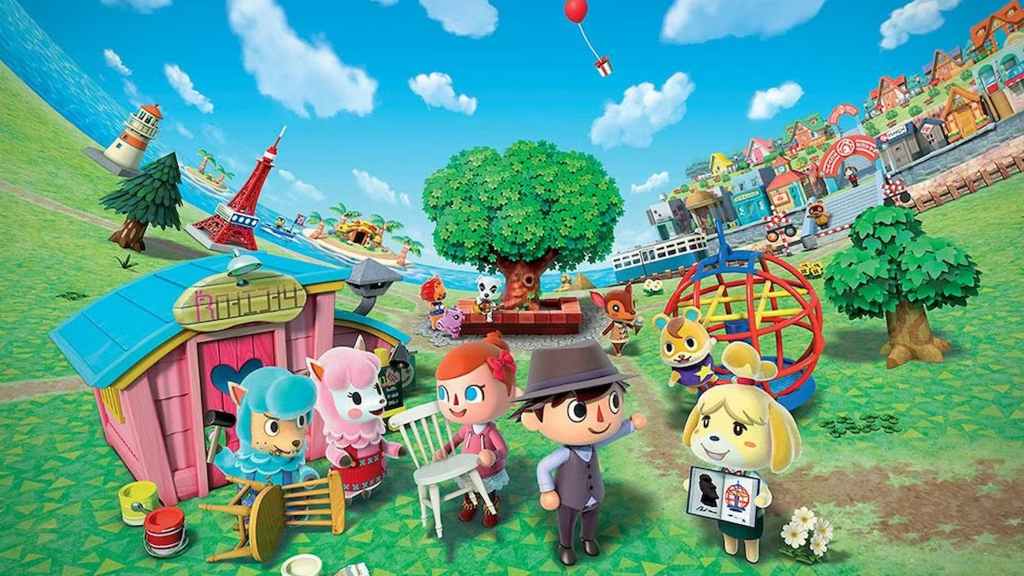
When Animal Crossing: New Leaf arrived on Nintendo 3DS, it immediately distinguished itself from previous entries by putting players in charge. Rather than simply moving into a town and becoming another resident, players were appointed mayor. This simple change fundamentally altered the experience, giving players greater influence over the town’s development, creating a stronger sense of ownership and long-term investment. It felt like the series had fully embraced the creative spirit it embodied, and I loved it.

The addition of public works projects and town ordinances gave players tools to customize their communities in ways the series had never allowed before. Bridges, benches, fountains, and other structures could be placed throughout town, while ordinances affected everything from shop hours to resident behavior. These systems encouraged creativity and helped make every player’s town feel unique. Today, those ideas seem standard for the franchise, but in 2013, they represented a major step forward and would be the building blocks for Animal Crossing: New Horizons.
I have so many fond memories of playing Animal Crossing: New Leaf and saving up enough Bells for projects. The game constantly gave me new goals to work toward, and even if I only played a little each day, I always had my 3DS with me. And it was this loop that made the game a daily habit for me and many others. Animal Crossing: New Leaf became one of the Nintendo 3DS’s defining releases, selling more than 13 million copies worldwide. Part of this success also has to be given to the new character, Isabelle, the cheerful assistant mayor whose charm and helpful nature quickly made her one of Nintendo’s most recognizable characters.
Animal Crossing: New Horizons Wouldn’t Be Possible Without It
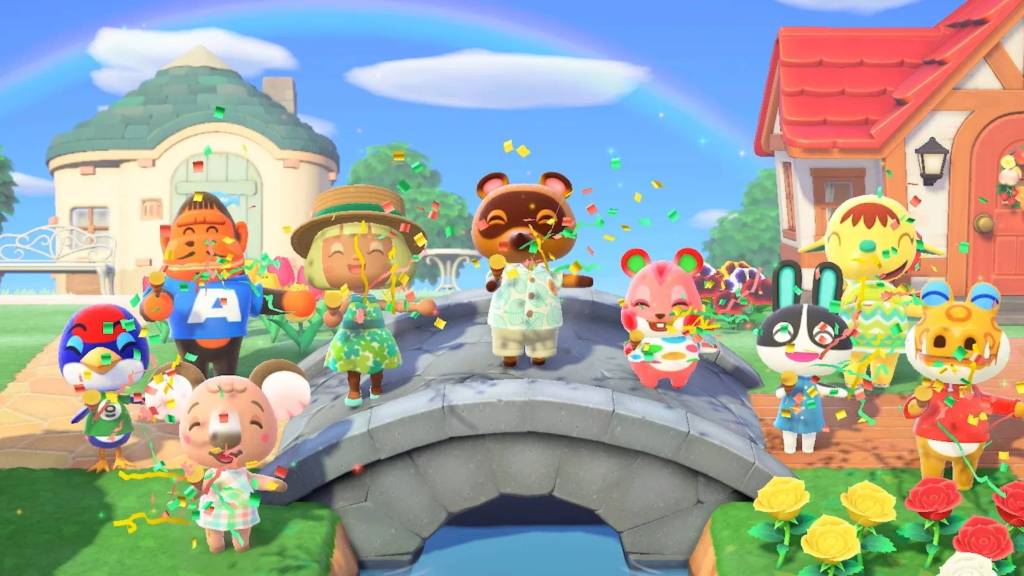
The enormous success of Animal Crossing: New Horizons often overshadows how much it borrowed from New Leaf. Nearly every major feature that defined the Nintendo Switch hit can trace its roots back to the 3DS game. The emphasis on player creativity, town customization, and personal expression all expanded ideas that New Leaf had already established years earlier. This, along with its release during the height of COVID, helped make New Horizons one of the most successful Nintendo Switch games of all time.
In New Horizons, players gained even more control over island design through terraforming and extensive decoration tools. While those features were far more advanced than anything seen on the Nintendo 3DS, the underlying logic remained the same. Nintendo recognized that players wanted to shape their environments rather than simply live in them. New Leaf proved there was a large audience eager for that level of customization, and it took huge steps to give players more options.
If Animal Crossing: New Leaf didn’t have the impact it did, Nintendo may never have poured so much into New Horizons. It showed that the series could stand beside The Legend of Zelda and Super Mario Bros. to become a pillar of Nintendo’s library. The experience was refined and expanded through Animal Crossing: New Horizons, but there is no doubt it owes this to the blueprint established on the 3DS.
A New Animal Crossing Life on Nintendo Switch 2
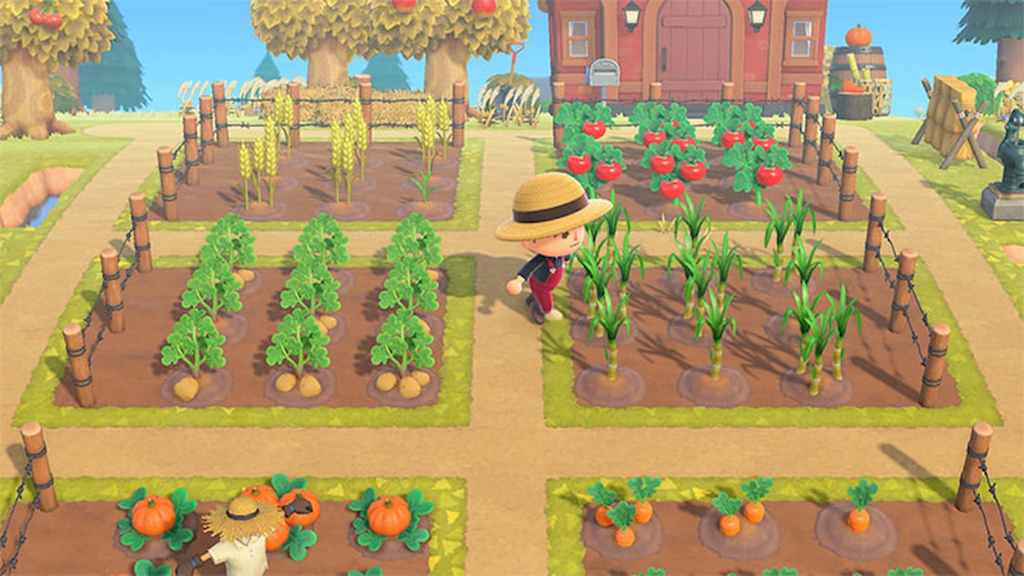
Now that Nintendo has entered the Nintendo Switch 2 era, fans are eagerly waiting to see where the franchise goes next. Animal Crossing: New Horizons received a Nintendo Switch 2 update, but this is merely an appetizer until a new game is revealed. Expectations for the next title are understandably high, especially given how dramatically the series evolved over the last decade. What excites me most is how Nintendo will expand customization going forward.
Players have grown accustomed to shaping nearly every aspect of their towns and islands. Any future entry on Nintendo Switch 2 will need to balance new features with the cozy, everyday routines that attracted fans in the first place. Giving players new activities to enjoy and new ways to interact with the villagers would expand greatly on the sense of community the games create as well. Making the town larger to welcome more villagers would be a major step for the series as well.
Whenever a new Animal Crossing eventually arrives, it will owe a debt to the game that transformed the franchise. Animal Crossing: New Leaf proved the series could reach a much larger audience while still preserving and expanding its charm. It introduced Isabelle, expanded player freedom, and established many of the concepts that later helped New Horizons become a global phenomenon. Thirteen years later, its influence remains impossible to ignore. Without New Leaf, one of Nintendo’s biggest modern franchises might never have reached the heights it enjoys today.
What do you think about Animal Crossing? Leave a comment below and join the conversation now in the ComicBook Forum!
More Gaming
-

Courtesy of NetherRealm Studios -

Courtesy of Rockstar Games -
Image Courtesy of Marvel Comics