Even though I’ve grown up playing shooters and played many throughout my gaming history, I’m not afraid to admit I’ve never been terribly good. But I found comfort in a playstyle, especially in Halo: Reach, that relies on three things: melee weapons, shotguns, and grenades. After all, these have the least chance to miss, which offsets my poor aim. While this worked out well for me when I was younger, modern shooter games have made a major change that forced me to alter my gameplay.
Videos by ComicBook.com
Older games, like Call of Duty: Modern Warfare II, had a feature that I loved, and one that shooters today no longer have. Cooking grenades before throwing them used to be an important part of my playstyle and something older gamers mastered. Perfectly timing a grenade and throwing it to explode at just the right moment was a great way to get unorthodox eliminations, but that skill is invalid now as shooters have moved away from it.
The Lost Art of Cooking Grenades
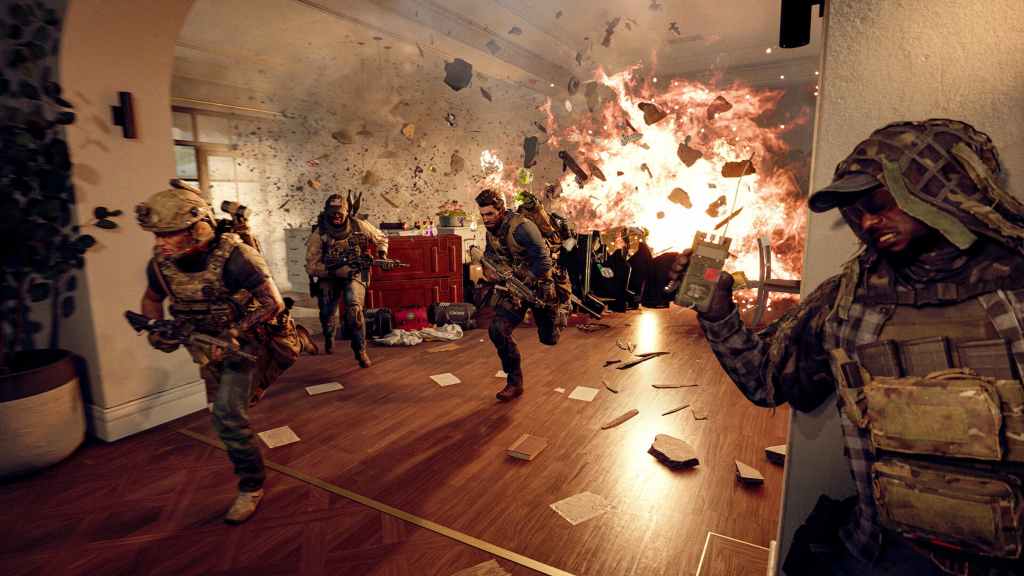
The art of cooking grenades is a skill that is mostly lost to time. Priming a grenade and holding onto it for a few seconds before throwing it was an easy way to get a quick elimination, as it prevents your opponent from running away. It required timing, though, and could easily backfire if you held onto it for too long. This could result in wasting your grenade, or worse, taking yourself out.
Outside of Call of Duty, most series have abandoned this mechanic. Even Battlefield 6, the closest competitor to Activision’s iconic shooter series, has removed this ability. Today’s grenades simply allow you to adjust your trajectory before releasing them, detonating at the same fixed time with each throw. Grenades still keep their impact, especially for clearing areas, but they have lost some of the excitement, the risk vs. reward that older games gave.
One of my favorite strategies was to simply cook a grenade and sprint at the other team, especially if I knew there was a group of them. I willingly sacrificed myself if it meant taking out multiple opponents, and there was no greater satisfaction than running into a room and clearing it so my team could claim the objective. Had I simply tossed the grenade, there was a chance the enemy could simply step off the point and return. But by cooking it, I could ensure every grenade exploded at the right moment.
Modern Games Focus On Aim Rather Than Timing
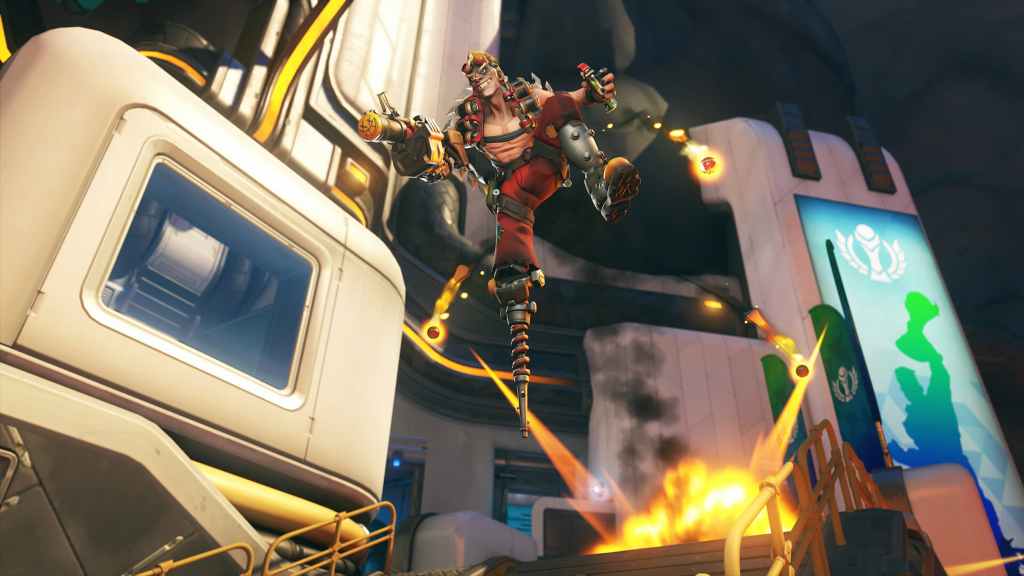
If you look at the most popular shooters today: Apex Legends, Valorant, Fortnite, and Battlefield 6, you’ll notice a common thread: emphasis on aim, movement, and ability management. Grenade cooking used to be one of the best examples of timing-based skill expression. Cooking a grenade lets players punish campers, push chokepoints, or flush enemies from cover with meticulous control. It was high risk, high reward, and incredibly satisfying when mastered. But it’s gone, and so is the variance that it brought, along with the unique skill it required.
Where the variance comes in is with different grenades. Different games may implement different timers depending on which grenade you use. Arc Raiders, one of the most recent and successful shooters, does this well. Some grenades, like Blaze Grenades, explode immediately on contact, while Heavy Fuse Grenades explode after a few seconds. Then some grenades can be thrown and remotely detonated, giving you even more control.
Another lost technique is the soft toss, or lob. Counter-Strike once set the gold standard for this. Its grenade arcs allowed players to bounce flashes around door frames, roll smokes onto objective points, or lob grenades gently over cover. It felt more like gently placing a grenade in the perfect spot rather than throwing it. Today, Call of Duty is one of the few games that still hold onto this once prevalent feature, leaving many wondering if it will ever return.
Do Grenades Even in Belong in the Shooter Kitchen?

This brings us to the real question: Why did grenades change? And should they continue to evolve or return to their roots? For many modern developers, simplifying grenades seems to be about reducing friction. Accessibility is everything in today’s competitive multiplayer landscape. Grenade cooking introduces the possibility of misfires, accidental suicides, and inconsistent throws, things that can frustrate new players. A fastball-style toss keeps gameplay clean and predictable.
But predictability isn’t always good for a shooter. When every grenade sails with identical speed and trajectory, they lose their identity. Frag grenades, EMPs, flashbangs all start to feel like variations of the same simple tool instead of tactical options with depth. Soft tosses and cooked frags once gave grenades a unique personality in each shooter. Losing that removes subtle decisions from moment-to-moment gameplay. There’s also the pacing argument. Today’s shooters lean toward high-speed engagements. Cooking a grenade slows down gameplay, even if it does bring in new ways to play.
But I believe there is a way for grenade cooking to return. It could be a simple tool for creativity that simplifies the complicated hero abilities popular in today’s shooters. A soft toss over a wall created tension. A cooked grenade rolling into a corner forced a decision. A carefully angled bounce flash opened up team strategies. Adding these tools and options back would bring so much more depth and tactical decision-making.
Reintroducing traditional grenade mechanics wouldn’t require reinventing the genre. Grenades don’t need to be the star of the show, but they deserve more than the simplistic treatment they get today.
What do you think? Leave a comment below and join the conversation now in the ComicBook Forum!
Most Viewed
-

Image Courtesy of Ufotable -

Image Courtesy of Crunchyroll -

Image Courtesy of Toei Animation