There was a time when jumping into an online shooter meant one thing. Load in, pick a weapon, and eliminate the other team as many times as possible before they do the same to you. No payload carts, no hero abilities, no shrinking circles, no extraction timers. Just pure reflexes and map control, and for many players, that was the foundation of multiplayer shooters. It was easy to understand and hard to master, which is usually the formula that lasts.
Videos by ComicBook.com
But today’s shooters are a different breed, and Team Deathmatch seemingly no longer has a place in the genre. It used to be a default mode across nearly every major shooter release, but today it is often missing, buried inside playlists, or overshadowed by objective modes, hero shooters, and battle royale formats. While the shooter genre has grown in smart and creative ways, it has also drifted away from one of its simplest and most replayable multiplayer designs.
Team Death May Officially Be Dead
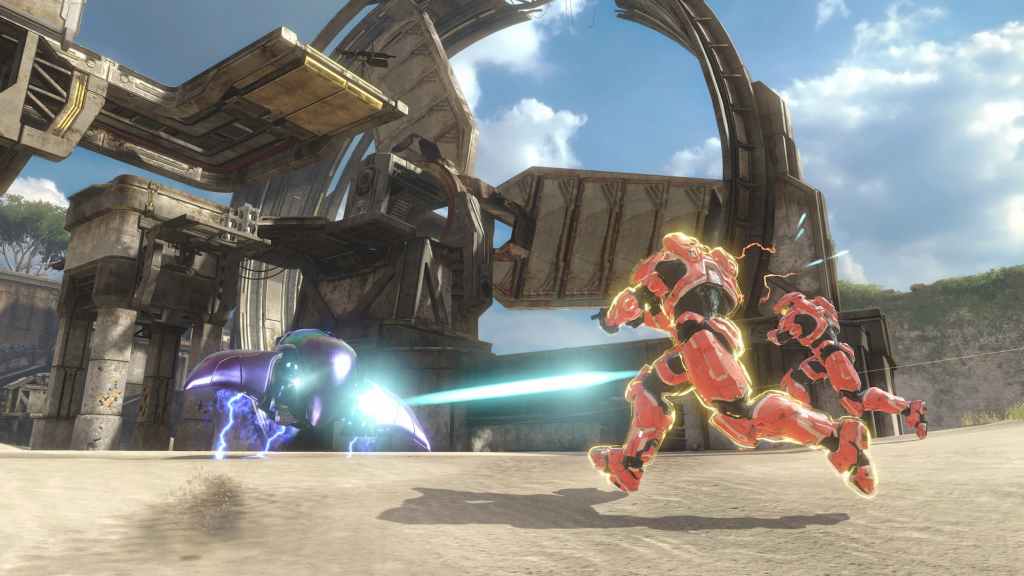
For years, Team Deathmatch was the backbone of multiplayer shooters. Games like Call of Duty, Halo, Battlefield, and Gears of War all featured it as a primary mode. There were additional options, but this was the main appeal and typically saw the largest player count. It was an easy-to-understand game mode, and that clarity made it accessible to new players and allowed veteran players to reach higher skill ceilings.

Now, many new shooter releases either exclude the mode or treat it as secondary. Modern titles often launch with objective-focused modes instead. Escort missions, control points, bomb plants, raid-style encounters, and extraction rulesets are more common in the current state of the industry. Overwatch, Marvel Rivals, Fortnite, and Arc Raiders have dominated shooters in the past few years. And even when elimination modes exist, they are frequently modified into round-based or tactical formats rather than classic respawn-driven competition.
Call of Duty is still the biggest franchise that consistently keeps traditional Team Deathmatchas a core mode. Some franchises are also shifting focus away from multiplayer entirely. Halo: Campaign Evolved is going in a single-player-focused direction, stepping back from traditional multiplayer structure and thus excluding Team Deathmatch. With one of the main supporters of Team Deathmatch going away, the future of this game mode looks bleak.
Shooters Are Focusing on Objectives and Heroes
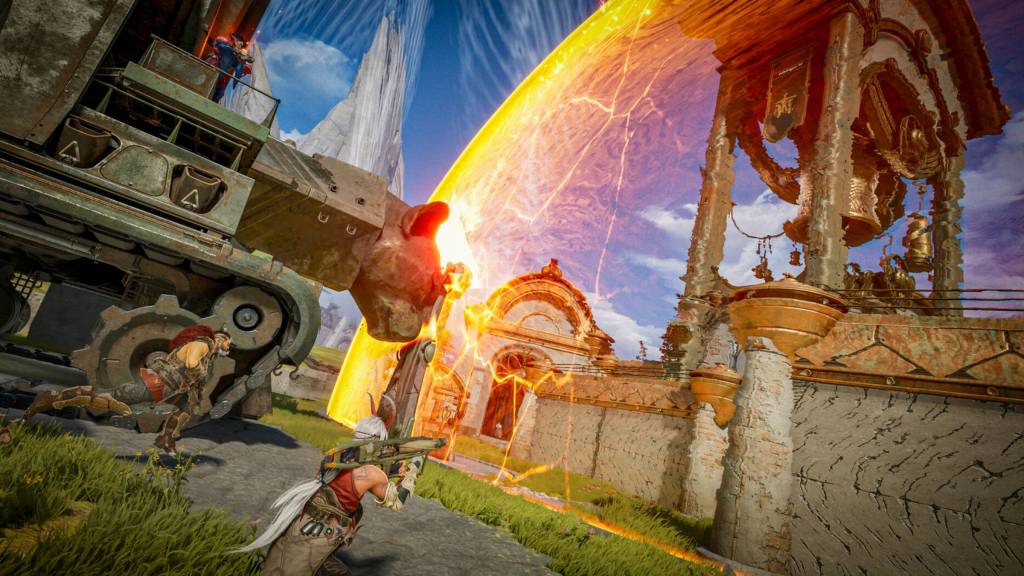
Modern shooter design has shifted toward layered systems and long-term engagement loops. Objective modes give designers more control over pacing and teamwork. Hero shooters add character abilities, cooldowns, and defined roles. Battle royale games add survival pressure and match scale. Extraction shooters add risk and inventory stakes. These systems create more variables than a straight elimination game mode.
Games like Overwatch, Valorant, and Apex Legends helped push hero and ability-based shooter design into the mainstream. Success in those titles depends as much on composition and skill synergy as raw aim. That appeals to a wider range of players and supports esports structures built around roles and coordination rather than pure elimination counts. It also creates more variability when it comes to the gameplay loop.
Objective-driven shooters, such as raid and control-based titles like Highguard, also give players more purpose. That design encourages teamwork and strategy, but it also reduces space for classic elimination matches. These modes also support seasonal content, character releases, and balance updates more easily. It is simpler to refresh a hero shooter or objective mode with new abilities and map interactions than it is to reinvent a pure elimination format. That makes them attractive for live service models and ongoing monetization.
Is There a Place Any More for Old Fashioned Eliminations?

Despite the shift, elimination-focused modes still offer something unique. They create clean skill expressions where you don’t need to keep track of various hero abilities and constantly shifting metas. When I think back to my most intense multiplayer memories, many came from simple elimination matches where positioning, sound cues, and reaction time decided the outcome. You either won your fights or you did not based on your skill alone.
Several shooters still include variants of classic elimination play. Call of Duty continues to run Team Deathmatch playlists. Halo Infinite includes Slayer modes, which are structurally similar. Arena shooters and indie shooters often keep deathmatch formats alive in both team and free-for-all versions. Even tactical shooters sometimes run warmup or side playlists that function like elimination races.
The genre has evolved, and that evolution has produced great experiences. Battle royale, hero shooters, and extraction formats earned their place through innovation and player interest. Still, it is worth asking whether the industry moved too quickly away from a mode that defined multiplayer shooters for decades. There is a future that can support both complex objectives and simple elimination matches. Classic does not mean outdated, and there is merit in a return to form.
What do you think? Leave a comment below and join the conversation now in the ComicBook Forum!
Most Viewed
-

Image courtesy of Warner Bros. Pictures