For decades, the shooter genre has evolved through countless innovations: tighter gunplay, smarter AI, larger maps, deeper progression systems, and increasingly cinematic presentation. Yet one of the biggest shifts in the history of shooters wasn’t graphics upgrades or hardware leaps. It was one that came out of a rise in constant movement, aggression, and momentum, encouraging players to push forward rather than retreat or hold their ground. The shift has been so seamless that many players barely noticed how dramatically it altered the very rhythm of shooter gameplay.
Videos by ComicBook.com
But there was a time when survival meant something different. It meant paying close attention to your surroundings, knowing exactly where resources were located, and planning routes with precision. It revolved around an item that defined the pacing of nearly every classic shooter: health packs. They were a fundamental mechanic of the genre, as they were the only way to regain vitality and get back into the fight. Now they’ve nearly vanished from mainstream shooters. Even games that still technically include them, Battlefield 6, don’t actually require players to use them anymore, because you can recover full health in seconds simply by waiting. Health packs have either disappeared or lost their value in today’s shooters.
Health Management Defined Shooters
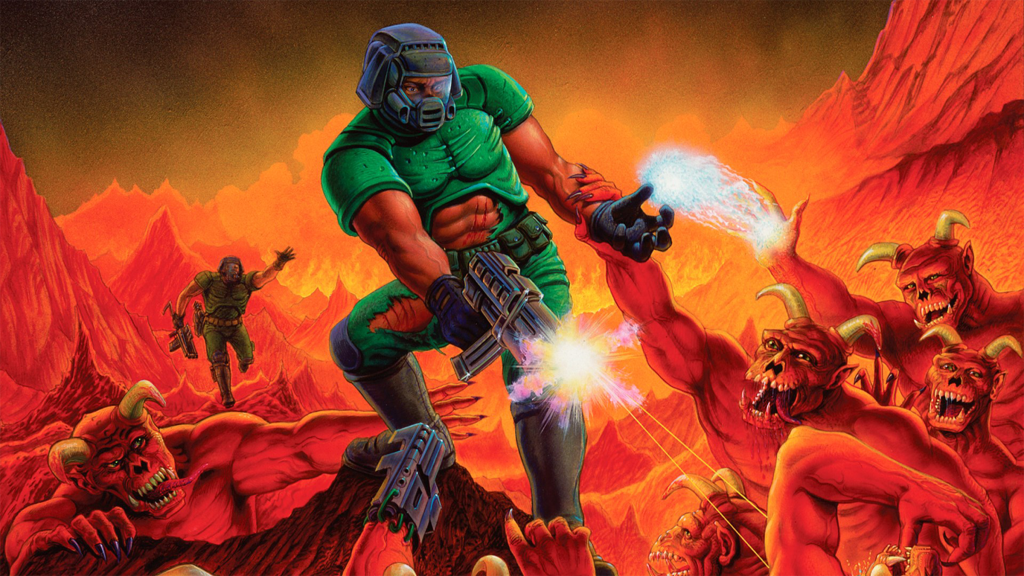
For players who grew up with classics like Doom, Quake, Half-Life, Halo: Combat Evolved, and Medal of Honor, managing health wasn’t a minor consideration but a central pillar of the experience. The entire pacing of a level depended on it. You couldn’t sprint blindly into a firefight because every point of damage mattered, and every health pack was a lifeline. Finding a medkit moments before death could turn a doomed situation into a triumphant comeback.

This design philosophy created a very specific kind of tension: players had to push forward for resources but make sure they weren’t taking so much damage that recovery became impossible. Even multiplayer shooters operated this way for years. Unreal Tournament and the early Halo titles taught players to time health pack respawns and control them like power weapons. Resource control was skill, strategy, and map knowledge all rolled into one. Today, that entire layer of gameplay has been largely removed.
In 2016, id Software rebooted DOOM with a design philosophy that proudly defied modern conventions. Rather than hiding behind cover waiting for health to regenerate, the game forced players to heal by staying on the offensive. Need health? Perform a Glory Kill. Need ammo? Use the chainsaw. Need armor? Set demons on fire. This wasn’t just a callback to the original Doom. It was a deliberate push against the stagnation of regenerating health systems.
DOOM proved that health packs, when reimagined, could deliver a uniquely exhilarating gameplay loop. Players were rewarded not for retreating, but for taking bold risks. But despite critical acclaim and commercial success, few shooters followed its lead. The industry had already shifted too far, and the regenerating health model was simply more compatible with players today.
The Rise of Regenerating Health & the Death of the Medkit
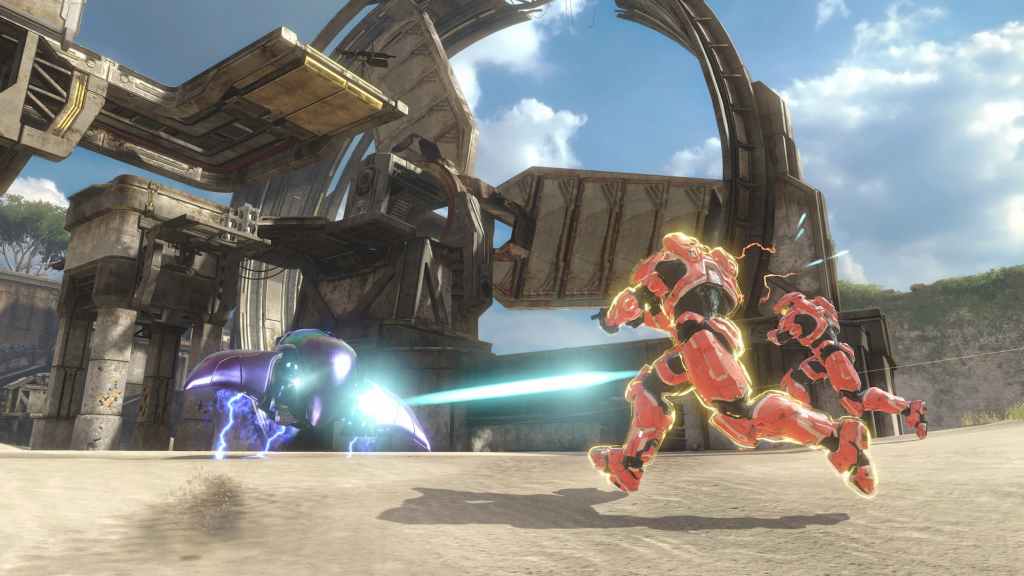
The modern shift began in the early 2000s, but it accelerated dramatically as shooters moved toward cinematic realism. Regenerating health systems, popularized by titles like Call of Duty 2 and solidified with Halo 2’s shield mechanic, changed everything. Instead of planning routes around resource nodes, players could duck behind cover for a few seconds and emerge fully restored. It was convenient, intuitive, and more accessible to newcomers. Players didn’t need to memorize where health packs spawned or learn the timing of them.
Developers quickly realized that regenerating health created a faster, smoother gameplay loop. It allowed for more aggressive enemy encounters, less downtime spent searching levels, more visually immersive environments without scattered items, and more control over difficulty and pacing. As a result, health packs quietly faded from the genre. Some games kept hybrid systems, but pure medkit-driven shooters were increasingly rare. Even Battlefield 6, which includes health packs through support classes and stations, doesn’t rely on them as players heal automatically if they simply wait.
The message became clear: survival was no longer a resource-management puzzle. It was a rhythm mechanic. Players fell into a loop of engagement before ducking behind cover. Within a few seconds, you could continue the fight. This was repeated throughout the course of a match, with opposing teams matching one another’s tempo until a victor emerged. There was no more running from a fight to heal up, taking one or more players out of a skirmish. Developers adopted this playstyle and never looked back. Even the upcoming Halo: Campaign Evolved is removing health packs.
Why Modern Shooters Abandoned the Old System
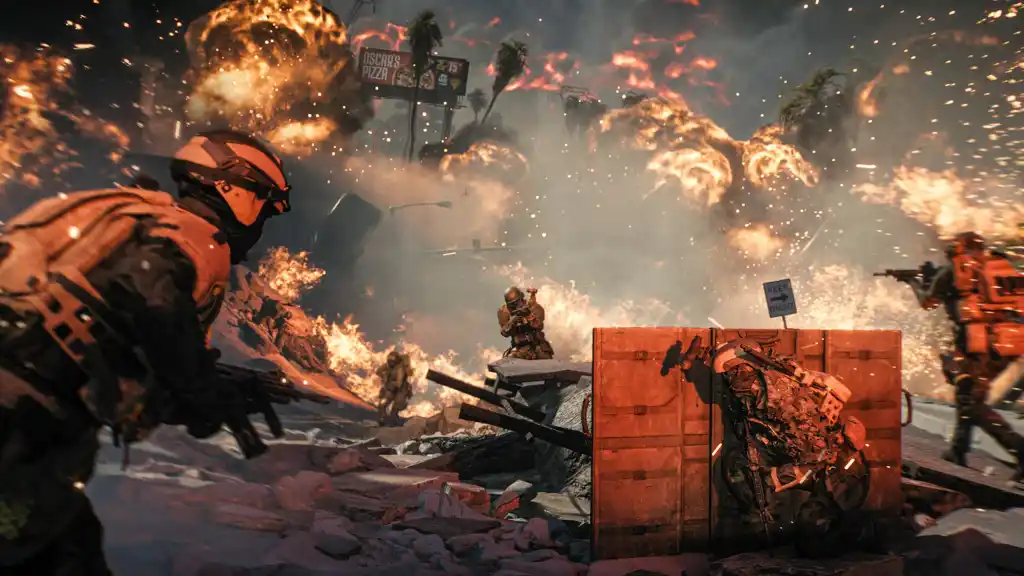
Several key factors drove the shift. Regenerating health lowers the barrier of entry. Casual players no longer get stuck with low HP and no recovery items. Frustration is reduced, and satisfaction increases. In multiplayer games, regenerating health ensures all players recover at essentially the same rate, removing map-control advantages tied to resource placement. Games like Titanfall, Apex Legends, and Call of Duty: Warzone emphasize speed. Stopping to search for a medkit slows combat down. Environmental storytelling and photorealistic detail take priority over item placement. Fewer small objects mean fewer distractions.
While regenerating health undeniably improves convenience and fluidity, many longtime players feel a sense of loss. Classic shooters demanded spatial awareness, planning, and strategic movement. Every bullet mattered. Every decision had weight. The removal of health packs simplified shooters, but it also made them more homogeneous. Today, most major shooters use some form of automatic regeneration. The survival puzzle, the tension of low health, the desperate scramble for a medkit. These moments have become rare.
Yet their absence has also opened the door to new mechanics, like armor plates in Warzone, stim injectors in Apex, or hybrid shield systems across many modern games. While not the same as the classic system, they represent the evolution of the idea: health is still a resource, just managed differently. There are signs of a niche revival. Perhaps the biggest reemergence is through extraction shooters like Arc Raiders. Bandages and shield rechargers are crucial to survival and can be the difference between making it back to Speranza.
Retro-inspired shooters, often called boomer shooters, fully embrace the old-school model. Titles like Ultrakill, Dusk, Ion Fury, and Prodeus tap into the purity and tension that health packs offer. But for major AAA titles, the return of traditional health systems seems unlikely. Regenerating health fits too neatly into the cinematic, fast-paced design philosophies that dominate the blockbuster landscape. Even Battlefield 6, which technically brings medkits back, doesn’t make them essential. The message is unmistakable: the medkit era has ended.
What do you think? Leave a comment below and join the conversation now in the ComicBook Forum!