Few companies consistently deliver high-quality platformers like Nintendo. The company has spent decades refining 2D and 3D platforming games and is responsible for many of the best games in this genre, as well as pioneering new gameplay mechanics. Whether you look at the Nintendo 64 or the Wii’s lineup, there are incredible platforming games from Mario, Donkey Kong, Yoshi, Metroid, and more. But one thing that stands out is a pair of games released on the Wii. For the first time, Nintendo released a direct sequel to one of its 3D platformers, and it has never done this since.
Videos by ComicBook.com
Super Mario Galaxy was a major hit for Nintendo, bringing a whole new meaning to 3D platforming. Yet, somehow Nintendo topped this by releasing Super Mario Galaxy 2, the first-ever direct sequel to a 3D Mario platformer. Super Mario Sunshine built upon ideas from Super Mario 64, while Super Mario 3D World expanded concepts introduced in Super Mario 3D Land; however, neither was a true narrative or mechanical continuation. More than fifteen years later, Nintendo still has not repeated what it did with the Galaxy games, though there is a chance this may change with the Nintendo Switch 2 and a rumored game.
Super Mario Galaxy Perfected the 3D Mario Formula
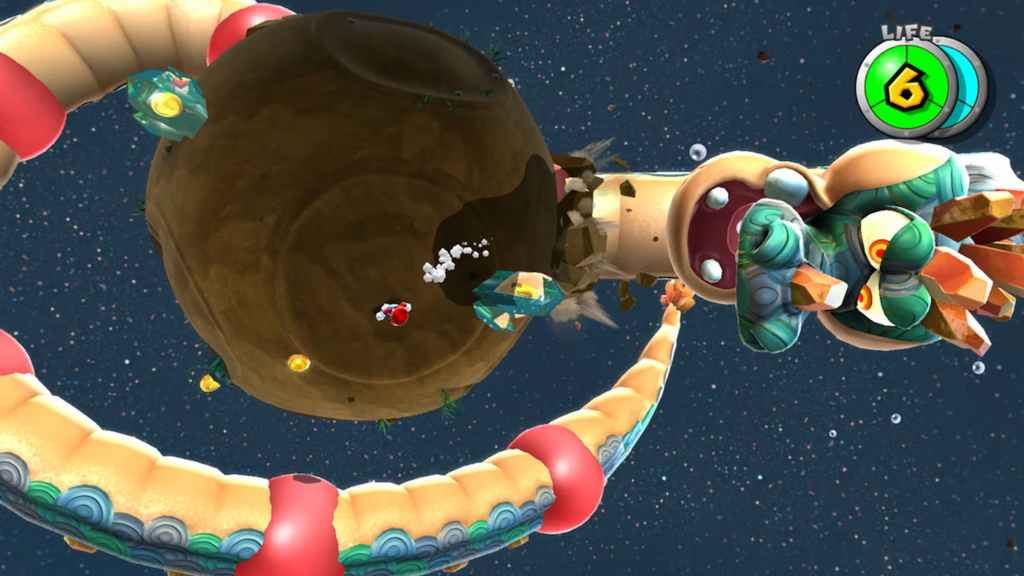
Before Super Mario Galaxy, Nintendo already had a remarkable history with 3D platformers. Super Mario 64 revolutionized movement and camera design in 1996, while Super Mario Sunshine experimented with more open-ended exploration through its FLUDD mechanics. Even outside of Mario, Donkey Kong 64 and Banjo-Kazooie showed Nintendo’s prowess in this genre. Yet Galaxy managed to feel both familiar and entirely new by shifting Mario’s adventures into space with gravity-based level design.
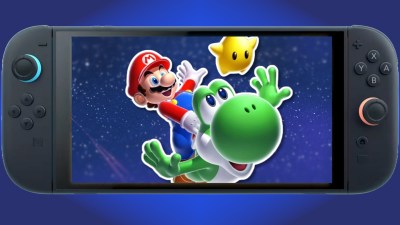
The small planetary structure changed everything about how players approached movement. Instead of massive open hubs, levels became tightly crafted obstacle courses wrapped around tiny worlds with shifting gravity. Every planet introduced a fresh gameplay idea, and Nintendo rarely reused concepts long enough for them to become repetitive. One stage might revolve around bee transformations, while the next focuses entirely on rolling mechanics or gravity puzzles. That constant creativity helped the game maintain momentum from beginning to end.
I still remember how surprising the game felt during its opening hours. Running upside down across miniature planets created a sense of scale and imagination that few platformers had achieved before. The orchestral soundtrack also elevated the experience dramatically. Nintendo rarely used fully orchestrated music at that scale before Galaxy, and tracks like Gusty Garden Galaxy became instantly iconic among fans. To this day, Super Mario Galaxy and its sequel are the highest-rated 3D platformers on Metacritic, showing how strong they were then and now.
Super Mario Galaxy 2 Was a Historic First for Nintendo

Nintendo has always approached Mario differently than most publishers handle flagship franchises. Instead of creating direct sequels regularly, the company usually reinvents the formula with new hardware. That is why Super Mario Galaxy 2 felt so unusual when it launched in 2010. For the first time, Nintendo directly followed one 3D Mario game with a true continuation using the same gameplay foundation. That decision reportedly happened because Nintendo developers still had too many ideas left over from the original Super Mario Galaxy and didn’t want to abandon those concepts.
The result is still viewed by many fans as one of Nintendo’s greatest sequels. While the first Super Mario Galaxy balanced atmosphere and discovery, Super Mario Galaxy 2 focused heavily on refined gameplay challenges. The pacing moved faster, and the game constantly introduced inventive mechanics. Levels like Throwback Galaxy even celebrated Nintendo’s history by revisiting ideas from Super Mario 64. This combination of new and old created a strong foundation for each of Super Mario Galaxy 2’s ideas and made it stand out even more than the original game.
What makes this sequel especially important historically is that Nintendo never repeated the strategy afterward. Super Mario Odyssey became one of the Switch’s defining games, yet Nintendo has still not announced a direct follow-up despite years of speculation. Instead, the company continues preferring fresh concepts over numbered continuations for its 3D Mario titles. This makes Super Mario Galaxy 2 not only one of the best Wii and 3D platforming games of all time, but one of the most unique as well.
Nintendo May Never Repeat the Galaxy Formula Again
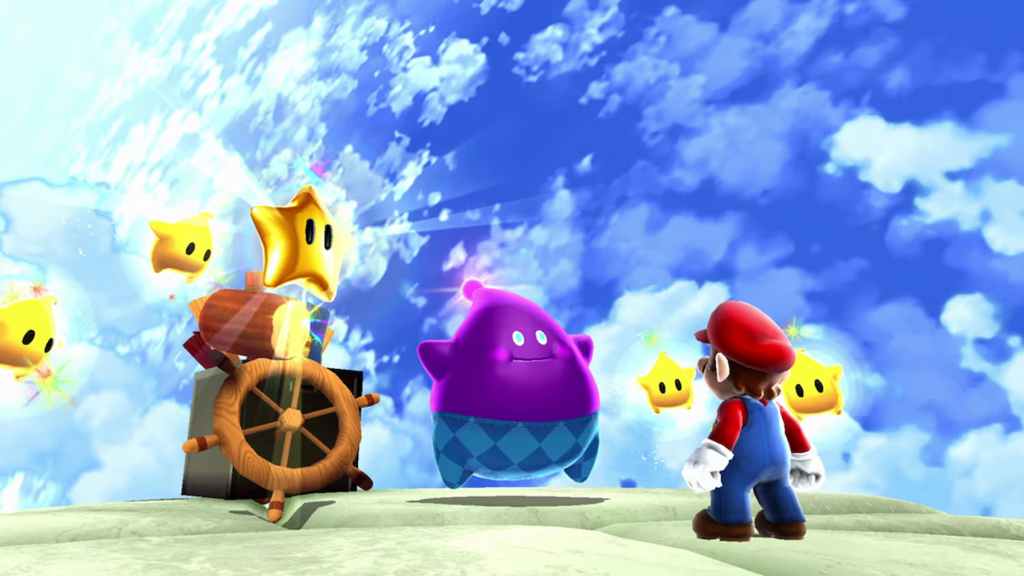
Part of what makes the Super Mario Galaxy games so special is how unusual they are within Nintendo’s history. Nintendo often reuses ideas across generations, but it rarely creates direct sequels for 3D Mario games. Super Mario Sunshine evolved concepts from Super Mario 64, while Super Mario 3D World built on 3D Land, yet both still reinvented the formula rather than simply continuing it, and played differently from the previous games.
That is why fans still debate whether Super Mario Odyssey 2 will ever happen. Super Mario Odyssey became one of the Nintendo Switch’s biggest successes and seemed like the perfect foundation for a sequel. I still cannot believe that we never received a sequel, not just because of how successful it was, but because of how much I loved it. Instead, the company experimented with projects like Bowser’s Fury, showing once again that Nintendo usually prefers innovation over repetition.
The Galaxy games stand apart because Nintendo chose to directly expand on an already beloved formula. Super Mario Galaxy 2 did not feel like a safe or unnecessary follow-up. Instead, it refined and built upon one of the greatest platformers Nintendo had ever created, proving that direct sequels can succeed when the ideas are strong enough. This is a lesson that Nintendo must look to if it ever decides to create a sequel to Super Mario Odyssey. Refining previous ideas while implementing new ones is the best way to celebrate one of the Switch’s best games.
Even now, the Galaxy duology remains one of Nintendo’s defining accomplishments. The original perfected 3D platforming through imaginative level design, unforgettable music, and nonstop creativity, while the sequel demonstrated how rare it is for Nintendo to iterate directly on a successful Mario formula. Whether Nintendo eventually makes Super Mario Odyssey 2 or moves in another direction entirely, the legacy of the Galaxy games still feels unique within the company’s history.
What do you think? Leave a comment below and join the conversation now in the ComicBook Forum!
More Gaming
-
Courtesy of Saber Interactive -
Image Courtesy of Electronic Arts/Secret Mode