While gaming still has room for mascot characters like Mario and Sonic, the 1990s were a golden era for that genre. New competitors in the field like Sony needed their own answers to those kinds of characters, a drive that led to the creation of plenty of platformers. Spyro, Banjo-Kazooie, Rayman, Gex, Croc, Gover, and Bubsy were just a handful of the characters from that era, with games that ranged from terrific to terrible.
Videos by ComicBook.com
Perhaps one of the most notable additions to the genre in this period was Crash Bandicoot, who debuted on the PlayStation thirty years ago. Developed as the console’s mascot, Crash had a real period of success during the latter half of the decade, only to become a relic of the era who has been stuck following in the footsteps of his rivals. Despite being one of Sony’s most successful attempts at crafting their own mascot character, Crash’s fate was always to be trapped in the shadow of his peers.
Crash Bandicoot Was Sony’s Mario And Sonic
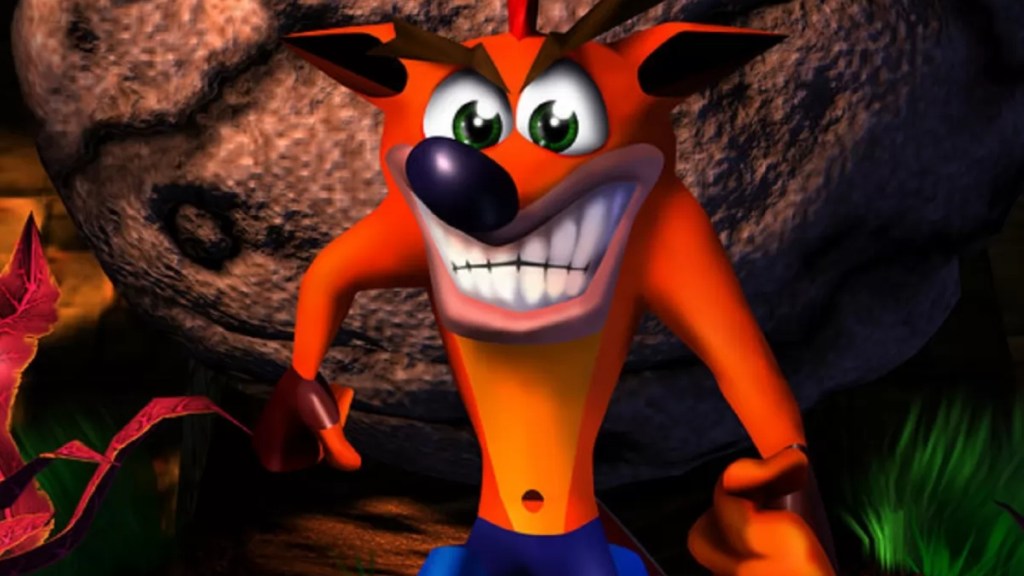
Debuting on September 9, 1996, Naughty Dog’s Crash Bandicoot was always meant to be an answer to the work going on at publishers like Nintendo. Inspired by games like Donkey Kong Country, Naughty Dog developed the character for Sony’s PlayStation in part because the platform didn’t yet have a mascot character to call its own. The vivid colors and anarchic attitude of Crash made the character stand out at E3 1996, helping ensure that his first game (released a few months later) became a hit for the PlayStation. In those early days, Crash felt like an evolution of the archetype that Sonic had helped establish, a cool character who offered a more “radical” approach to platforming.
Crash felt like a genuine response to the platformers that had dominated the era, with a gameplay style that felt like a happy medium between Sonic’s focus on speed and Mario’s more deliberate platforming. Because of the success of the PlayStation, those early Crash games were a success — by the time of the original trilogy’s conclusion, the three games had sold over 8 million copies worldwide. That’s not counting the success of spin-offs like Crash Team Racing or Crash Bash. However, once Sony acquired Naughty Dog, they lost direct control over the Crash Bandicoot IP. Universal Interactive retained those rights and quickly transitioned Crash into a multiplatform character, bringing many of his adventures and spin-offs to other platforms (including rival consoles like Nintendo, ironically putting Crash right alongside the likes of Mario and Donkey Kong).
Crash Always Felt Two Steps Behind The Competition
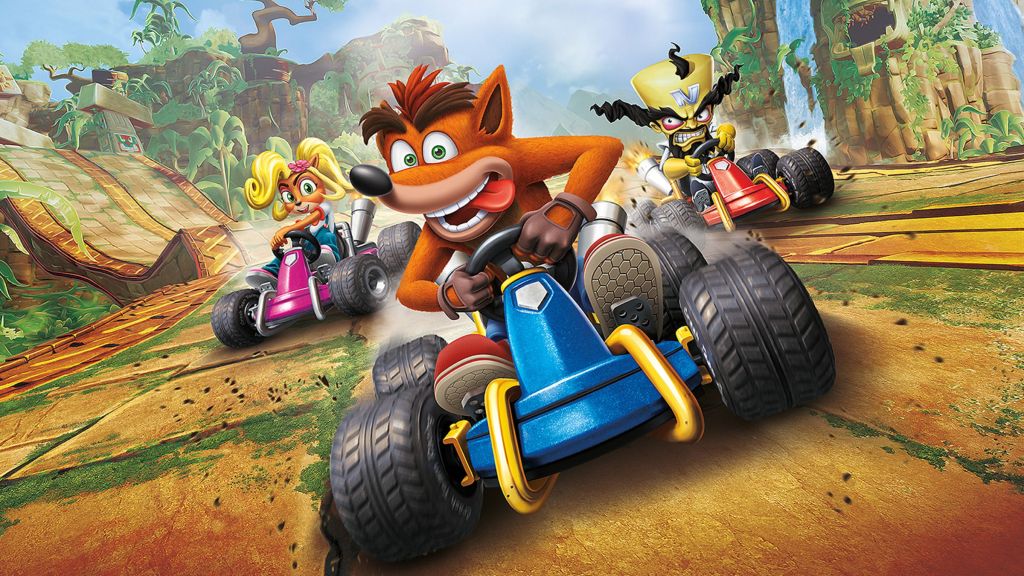
Despite being an early mascot for the PlayStation brand, Crash Bandicoot never really escaped the shadow of the mascot characters who came before him. While the unique elements of his game design made those original three titles stand out, it wouldn’t be long before Crash began following directly in the footsteps of his rivals. Crash Team Racing was one of the many mascot kart racing games that looked to recapture the lightning in a bottle that was Mario Kart. Crash Bash tried to be Sony’s answer to Mario Party, using a variety of mini-games to draw in multiple players. The move into more open-ended platformers felt too similar to what other franchises were doing. Notably, while Mario and Sonic have never really left the cultural zeitgeist, Crash has suffered from extended periods of hiatus that have seen no new releases.
In many ways, the character’s presentation quickly felt dated compared to the more timeless qualities of Mario and Sonic. While Crash may not have had the lowlights that Sonic experienced with games like Sonic the Hedgehog 2006, he’s rarely been able to generate the same kind of nostalgia that other mascots have. Even when modern entries like Crash Bandicoot 4: It’s About Time and Crash Team Racing Nitro-Fueled earned solid critical reviews, the games underperformed commercially and scuttled plans for more games. It’s a shame, too. Crash has a certain boisterous energy that made him a fun contrast to Mario and Sonic. His original games were a challenging and colorful experience that really made the case for how the PlayStation could advance the medium forward in the 3D era.
However, even at its best, the Crash Bandicoot games never felt like they could fully escape the shadow of his rivals. Especially in light of subsequent characters like Jak and Ratchet, who felt like more distinct takes on the mascot platformer, Crash’s rise and fall feels especially disheartening. Despite that unique vibe he debuted with, Crash quickly became beholden to trends that felt dated within years. Thirty years after the character debuted and despite some genuinely great games, Crash feels his age in a way other mascots don’t. Maybe if Crash had remained at the forefront of the Sony brand, the franchise could continue to evolve in ways that have kept the character relevant to players. Instead, Crash feels very attuned to the 90s and the 90s alone.
More Gaming
-

Image courtesy of Capcom -

Image Courtesy of Sony Interactive Entertainment -
Courtesy of Nintendo -

Courtesy of Bandai Namco -

Image Courtesy of Rockstar Games -
Image Courtesy of Electronic Arts